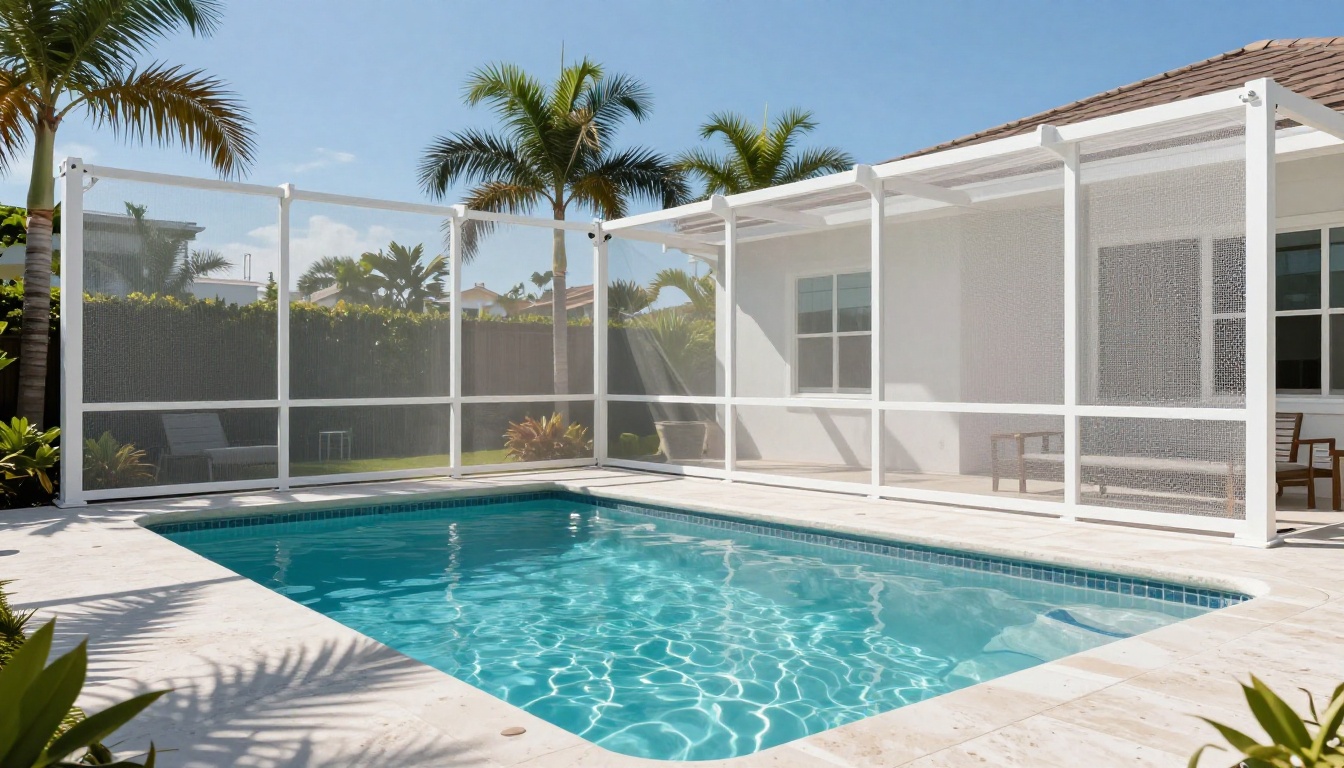
Screen Enclosure Cleaning and Maintenance Priorities
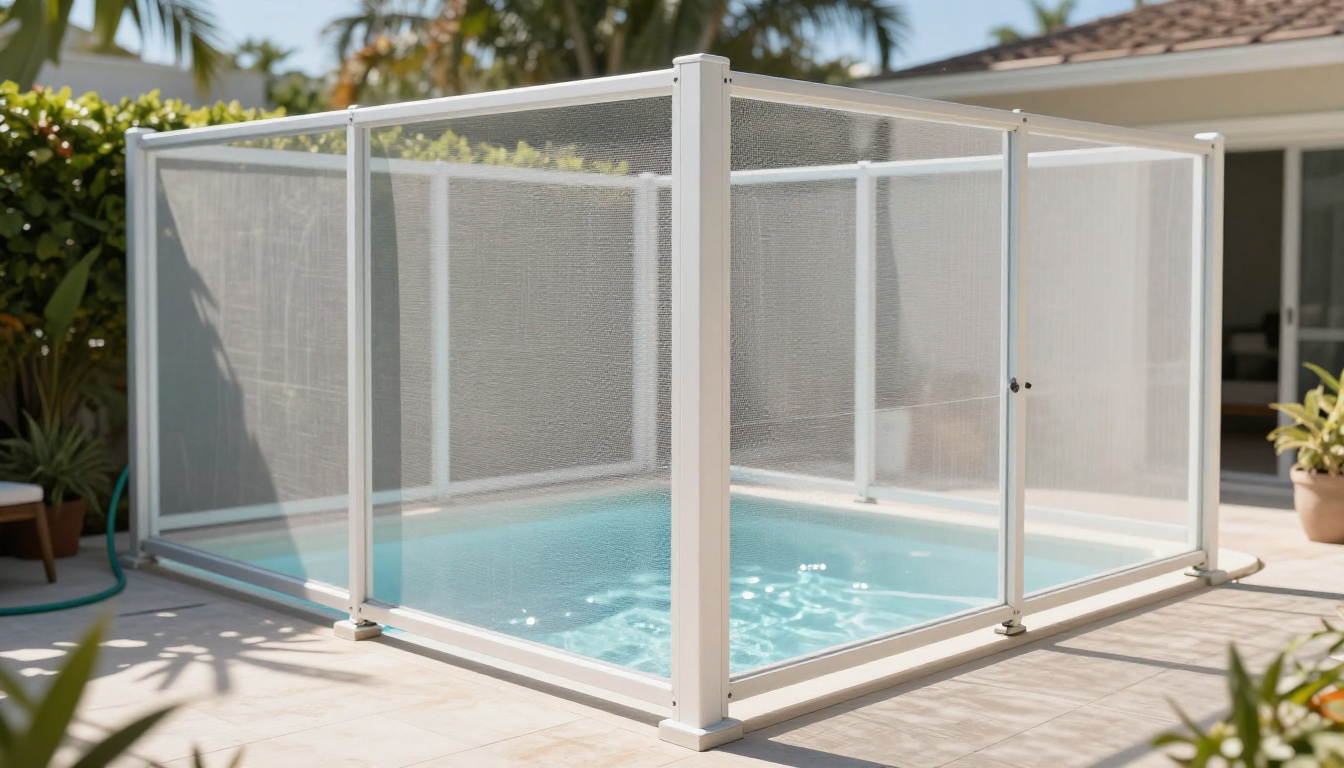
Your screen enclosure is part of the room you use, even when that room is outdoors. Screen enclosure cleaning and maintenance deserve attention because the mesh, frame, and doorway all affect how the space looks and functions.
A useful starting point is clear expectations : distinguish the enclosure itself from the pool deck, furniture, and other surfaces around it. That distinction helps you define what needs attention without treating every outdoor cleaning task as the same job.
Screen enclosure cleaning and maintenance starts with gentle, regular care
A screened space has several connected parts. Giving each part a place in your care plans keeps attention focused on the whole enclosure.
Define what clean means for your space
Start with the result you want. A pool enclosure may need to look tidy beside the water, while a dining lanai needs to feel welcoming around the table. Both goals involve the enclosure, but neither stops at the screen mesh.
Visible dirt on a frame and clutter beside a seating area create different concerns. Keeping those concerns separate makes your expectations more useful than a broad request to "clean everything."
Also, remember that mesh remains visible after cleaning. Its woven pattern is part of the enclosure. A clean screened view will still look different from an unobstructed opening, so judge cleanliness without expecting the screen itself to disappear.
Separate the enclosure from its surroundings
The screen panels, supporting frame, and enclosure door belong to one structure. Patio furniture, pool equipment, flooring, and nearby landscaping belong to the surrounding space.
Those boundaries matter when you describe the work you want addressed. "The enclosure" can mean only the panels to one person and the entire outdoor area to another. Naming each area avoids that ambiguity.
For example, a dining table inside a lanai isn't part of the screen enclosure, even though it affects the room's appearance. Likewise, the pool deck and enclosure frame are separate surfaces. Screen enclosure cleaning and maintenance should have a clear scope rather than becoming a catchall for every outdoor household task.
Consider how you use your screened space
Your enclosure's purpose gives you a practical way to set priorities. The places where you sit, walk, and spend time deserve consideration.
Keep the pool enclosure in perspective
A pool enclosure surrounds a space with more than one activity. Swimming, relaxing beside the water, and walking between the house and pool all happen within the same footprint.
Because of that, appearance is only one part of your expectations. The enclosure's doorway is also part of your everyday route. When discussing the space, include the entrance rather than describing only the panels around the pool.
Furniture placement changes how you experience the enclosure, too. A lounge chair may face outward through the mesh, while a dining chair faces another part of the patio. Describing the space through its actual uses keeps your priorities tied to daily life.
Treat the lanai as an outdoor room
A lanai often combines seating, meals, and access to the yard. Its enclosure forms the room's outer boundary, so the frame and mesh remain in view during ordinary activities.
Consider the places where you spend the most time. The view beside a favorite chair may matter more to you than a distant corner. Meanwhile, a frequently used doorway deserves its own place in the conversation.
Personal priorities can differ even within one household. One person may care most about the view; another may focus on the entrance beside the dining area. Describe both needs directly. A useful description of the space includes how people use it, not simply its dimensions.
Keep appearance and condition as separate priorities
Cleanliness describes what is on a surface. Condition describes the surface or component itself. These are separate questions, even when they concern the same panel.
Understand what the screen and frame do
Mesh spans the openings in an enclosure, while the frame supports those openings. The door provides access through that boundary. Each component has a different purpose, so an overall impression of tidiness doesn't describe every part equally.
That distinction also helps with vocabulary. A screen panel is an individual screened opening. The enclosure is the larger structure that contains the panels, frame, and entrance.
Use those terms when describing your concerns. "The panel beside the door" identifies a location more clearly than "the screen area." Likewise, naming the door separately keeps a conversation about access distinct from one about the view through the mesh.
A clean appearance describes surface cleanliness; it doesn't describe every aspect of an enclosure's condition.
Set clear expectations for enclosure care
When you're looking for a screen enclosure company, a clear description of your space is more useful than a general request for maintenance. Start with the enclosure type and the areas you want to discuss.
Then explain your priorities in everyday language. You might be concerned about the appearance of the frame, the view through the panels, or how the entrance fits your use of the patio. These are different subjects, and each deserves a clear description.
Keep screen enclosure cleaning and maintenance separate from unrelated outdoor projects. Pool care, furniture care, and landscaping may affect the same setting, but they don't describe the enclosure itself. Clear boundaries make the conversation easier and keep expectations focused on the structure you're discussing.
Give Enclosure Care a Clear Purpose
A useful approach to enclosure care begins with knowing what you're caring for. Treat the mesh, frame, and doorway as distinct parts of one structure, while keeping nearby surfaces and furnishings separate.
Make clear priorities part of that approach. Describe the areas you use most and the result you want, without treating appearance as a complete description of condition.
When you speak with a screen enclosure professional, bring that same clarity to the conversation. Your enclosure is part of an outdoor room, and its care should reflect how you use that room.