
Can You Replace One Torn Screen Panel?

Can You Replace One Torn Screen Panel?

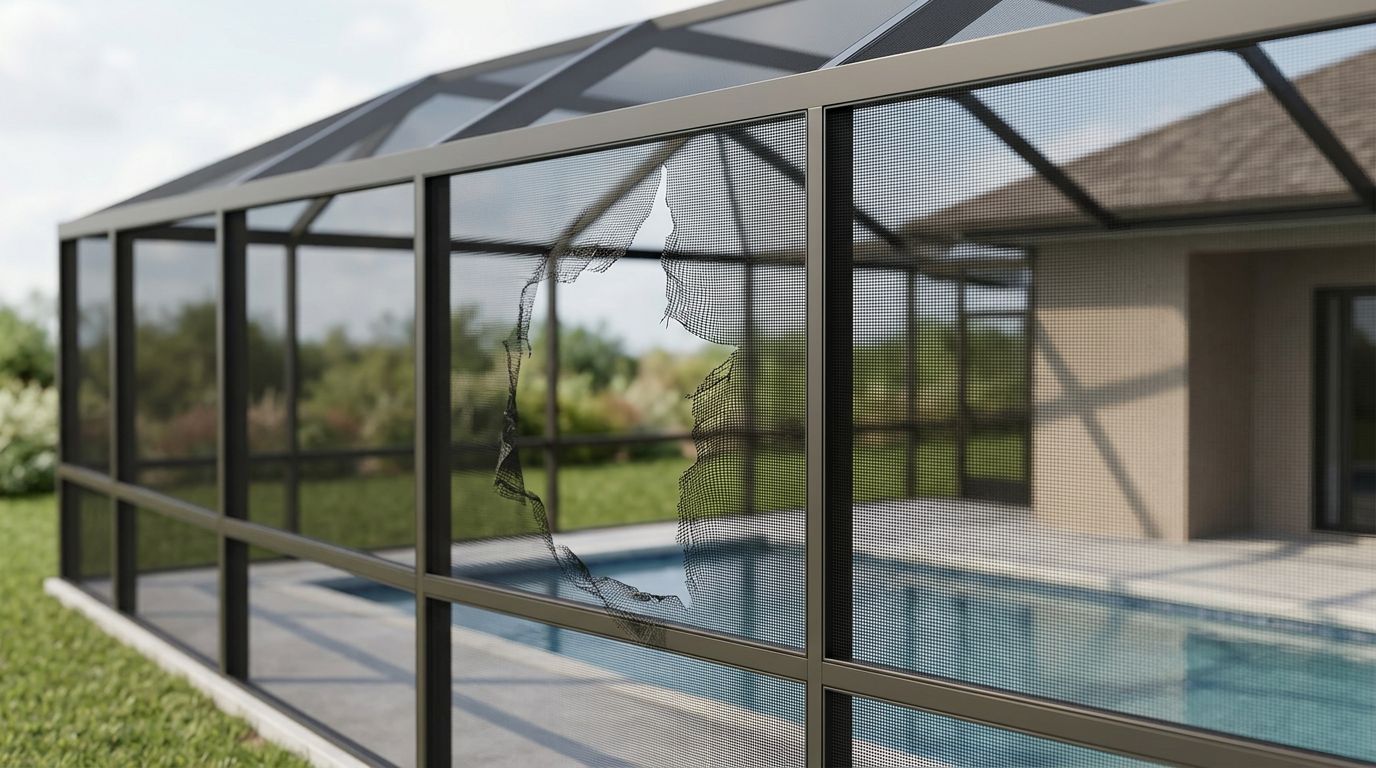
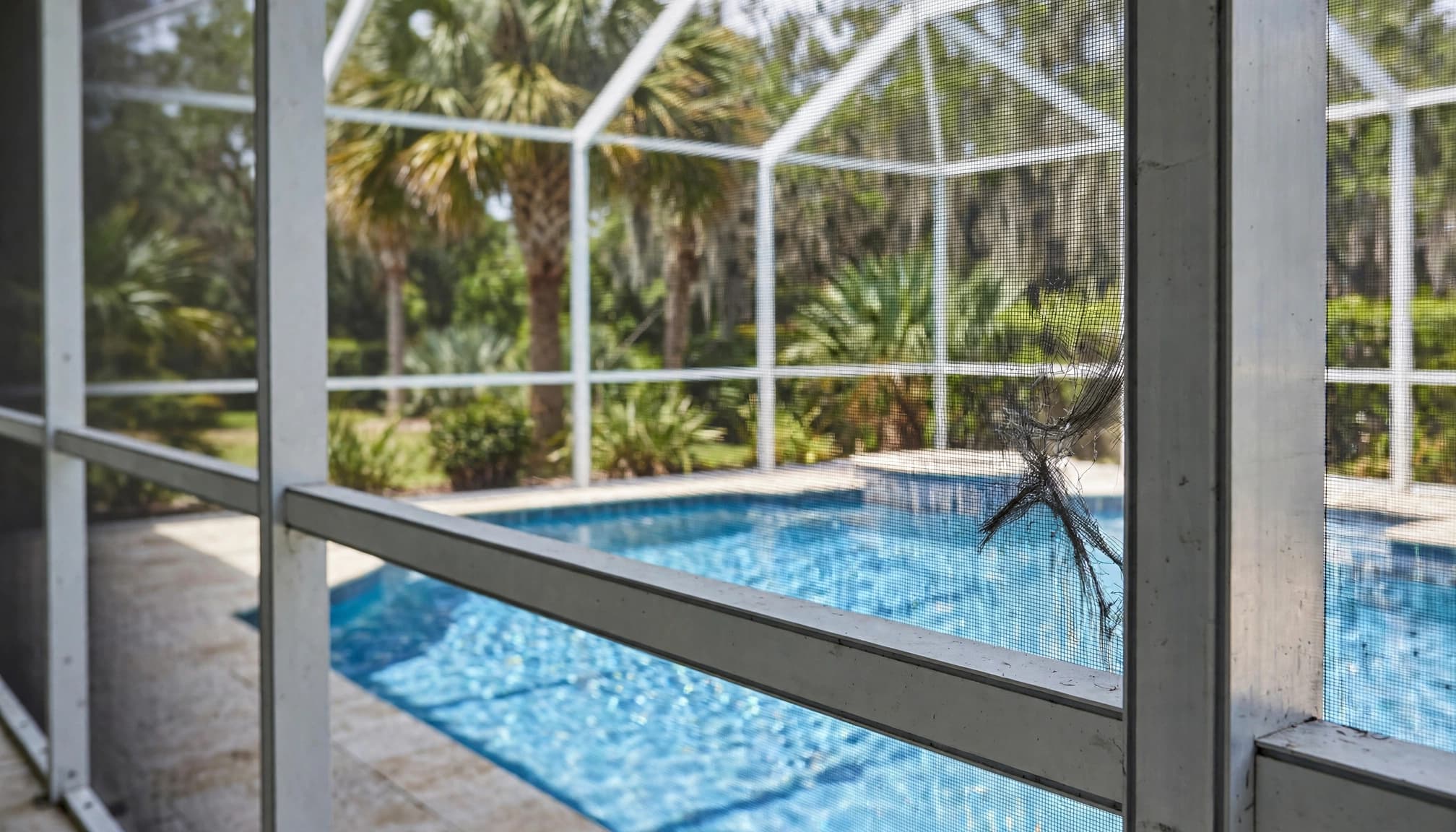
Yes, a single torn panel can often be replaced without rescreening the entire enclosure. The repair makes sense when the damage is isolated and the frame, spline channel, and nearby mesh are still in serviceable condition.

The important distinction is that screen panel replacement addresses one section of mesh, while a full rescreen replaces multiple panels. Before choosing, look at how the damaged panel is held in place and whether the surrounding materials can support a durable repair.

When one screen panel can be replaced

A spot repair is usually a reasonable option when one panel has a clear, localized tear and the rest of the screen looks sound. The aluminum frame should hold its shape, and the mesh should remain secure around the damaged section.

The damage is confined to one section

A branch, pet, or accidental contact can damage one panel while leaving the rest of the enclosure intact. In that case, a technician can remove the affected mesh and fit new screen into that panel's frame opening. The replacement mesh should suit the existing enclosure in color, visibility, and insect protection.

A small hole may sometimes be patched, but a patch is different from replacing the panel. A panel replacement removes the damaged mesh across the full opening, which can create a more uniform appearance than adding material over a tear.

The panel can be removed without stressing the frame

Most screen panels sit in a perimeter groove and are held in place by a flexible spline. A proper repair requires access to that groove, removal of the old material, and installation of mesh that fits the opening. If the frame is stable and the groove can hold the spline, replacing one panel can be practical.

However, enclosure designs and panel sizes vary. A repair that works for one opening may not suit a large roof panel or a section with difficult access.

What to check on the frame and spline

The mesh isn't the only part that determines whether a spot repair will hold. The panel frame and spline channel need to be in good enough condition to grip the new screen securely.

Look for damage around the opening

Check the frame rails around the torn panel for bending, separation, loose connections, or corrosion. A distorted rail can leave uneven tension across the mesh, while a damaged corner may prevent the panel from sitting squarely. If the structure itself is compromised, replacing mesh alone won't address the underlying problem.

Also note whether the enclosure has loose fasteners or visibly shifting frame sections. Those signs call for an assessment of the structure before a panel-only repair proceeds.

Inspect the spline and groove

The spline presses the mesh into the frame channel. If it has become brittle, flattened, or loose, it may not hold the new screen securely. The groove can also be damaged or packed with debris, which affects how the spline seats.

The replacement spline must fit the channel. A mismatch can make the mesh slip or create uneven tension. Since spline size and panel construction can vary, a screen professional can identify the right materials while assessing the opening.

Consider the surrounding panels, too

A single torn panel doesn't automatically mean the rest of the enclosure needs new mesh. Still, nearby panels help show whether the tear is an isolated accident or one sign of broader wear.

Look for brittle mesh, fraying along the edges, pulled spline, loose sections, and small tears in more than one place. Pay attention to adjacent panels with similar exposure and age, since they may show the same wear even if they haven't torn yet.

When the surrounding mesh remains flexible and taut, replacing the one damaged section may leave a consistent result. If nearby panels are sagging or splitting, a new panel can stand out and other failures may follow. In that case, comparing a spot repair with a broader rescreen helps clarify the scope of work.

When broader rescreening may make sense

Rescreening more than one panel can be appropriate when damage appears across several areas or the mesh has deteriorated throughout the enclosure. A localized repair won't restore panels that are already loose, brittle, or torn elsewhere.

Multiple panels show similar wear

If several sections have holes, edge failures, or slack mesh, replacing them one at a time may involve repeated service visits without addressing the overall condition. A broader rescreen can renew the affected areas together and create a more consistent appearance.

The right scope depends on how much mesh remains sound, not simply on the age of the enclosure. A professional assessment can separate isolated damage from widespread screen wear.

The frame needs attention beyond the mesh

A rescreen replaces mesh, but it doesn't automatically repair a damaged enclosure frame. If rails, connections, or panel channels are bent or unstable, the project may require structural work as well. Addressing those conditions matters before installing new screen, since the frame supports the panels and keeps them properly tensioned.

We provide screening and rescreening services for pool enclosures, lanais, patios, and other outdoor spaces in Cape Coral and Southwest Florida. The repair scope should match the condition of both the screen and the structure.

Frequently asked questions

Can I replace just one panel in a pool cage?

Often, yes. A single panel may be replaced when the damage is isolated and its frame and spline channel remain sound. Large or hard-to-reach panels can require a different approach.

Will a new panel look different from the old screen?

It can. Existing mesh may have faded or weathered, so new material may appear darker or more noticeable beside it. Matching mesh type and color helps, but it can't reverse the aging of adjacent panels.

Is a patch enough for a torn panel?

A patch may cover a small tear, but it doesn't replace the damaged panel. For a larger tear or weakened mesh, replacing the full panel can provide a cleaner repair.

Choose the repair that fits the enclosure

You can replace one torn panel without rescreening the whole enclosure when the damage is limited and the frame, spline channel, and neighboring mesh remain sound. If several panels show wear or the frame needs repair, a wider project may be the better fit.

A careful inspection helps keep a small repair small, while avoiding a spot fix that won't hold.

By Back Bay Screens • October 11, 2026
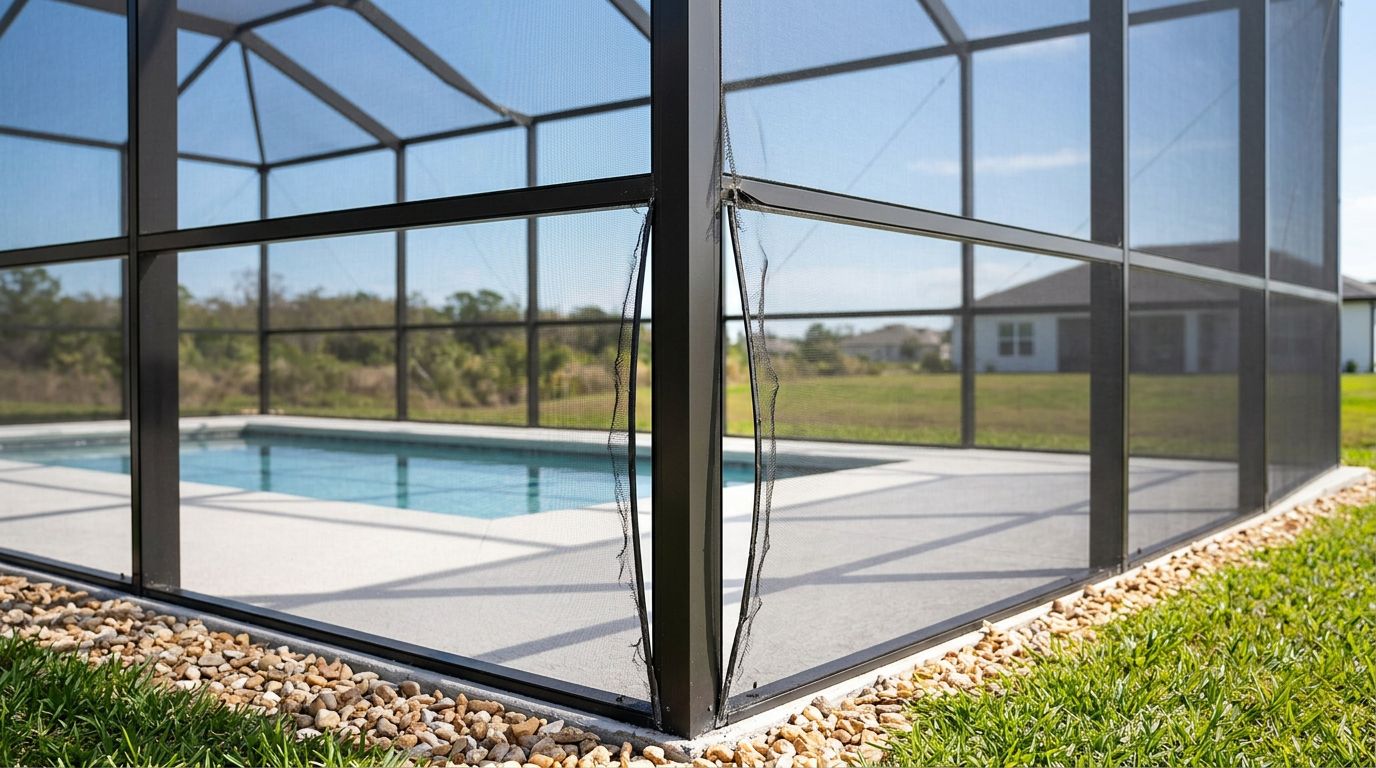
A screen panel can look fine across its center while a gap opens along the frame. When pool cage screens pull loose, the most useful first step is to distinguish an edge separation from a tear in the mesh. That distinction helps you describe the problem without guessing at its...
By Back Bay Screens • October 10, 2026
Your screen enclosure is part of the room you use, even when that room is outdoors. Screen enclosure cleaning and maintenance deserve attention because the mesh, frame, and doorway all affect how the space looks and functions. A useful starting point is clear expectations : di...
By Back Bay Screens • October 10, 2026
Your pool deck should be a place to relax, without swatting mosquitoes through dinner. A well-planned enclosure helps keep insects out and makes your outdoor space more comfortable for everyday use. Successful screen enclosure design and installation in Cape Coral starts with...