How to Protect Screen Panels From Pet Scratches
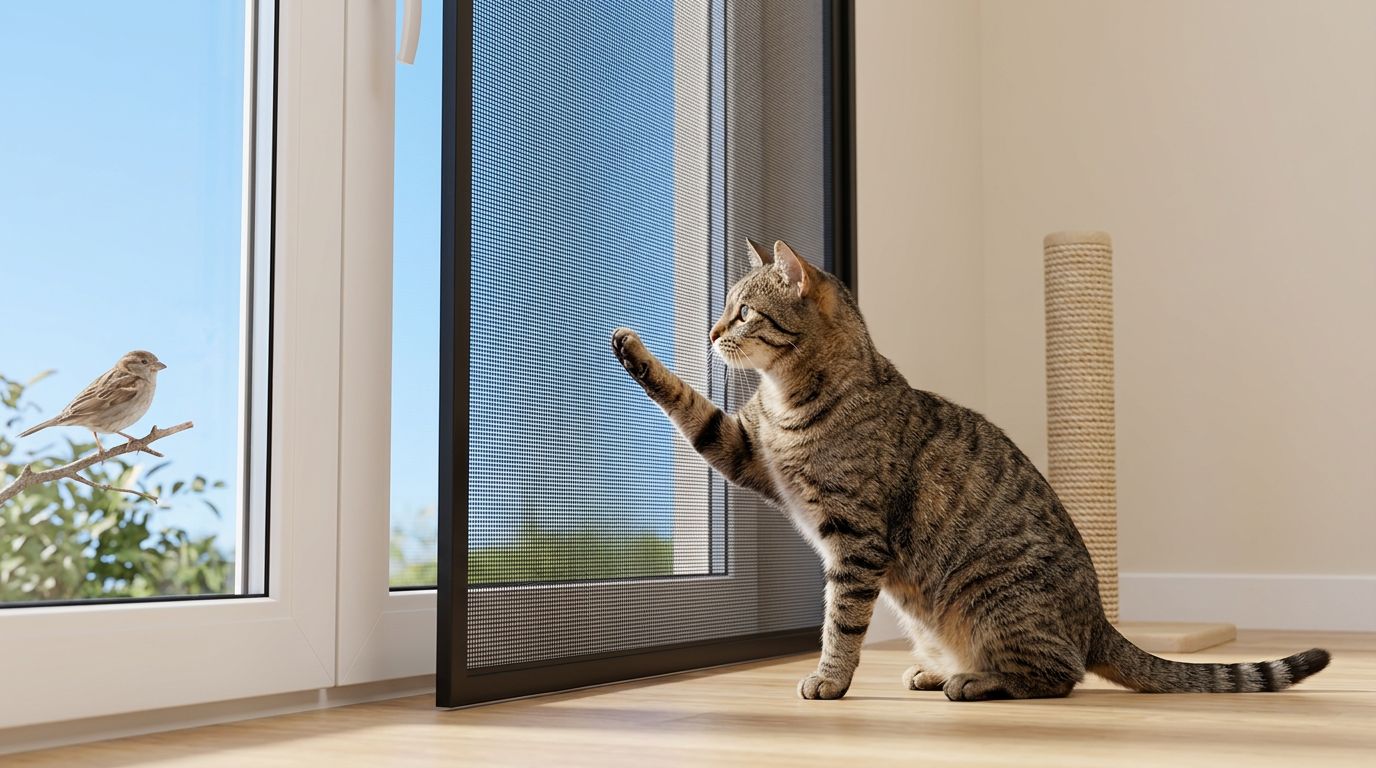
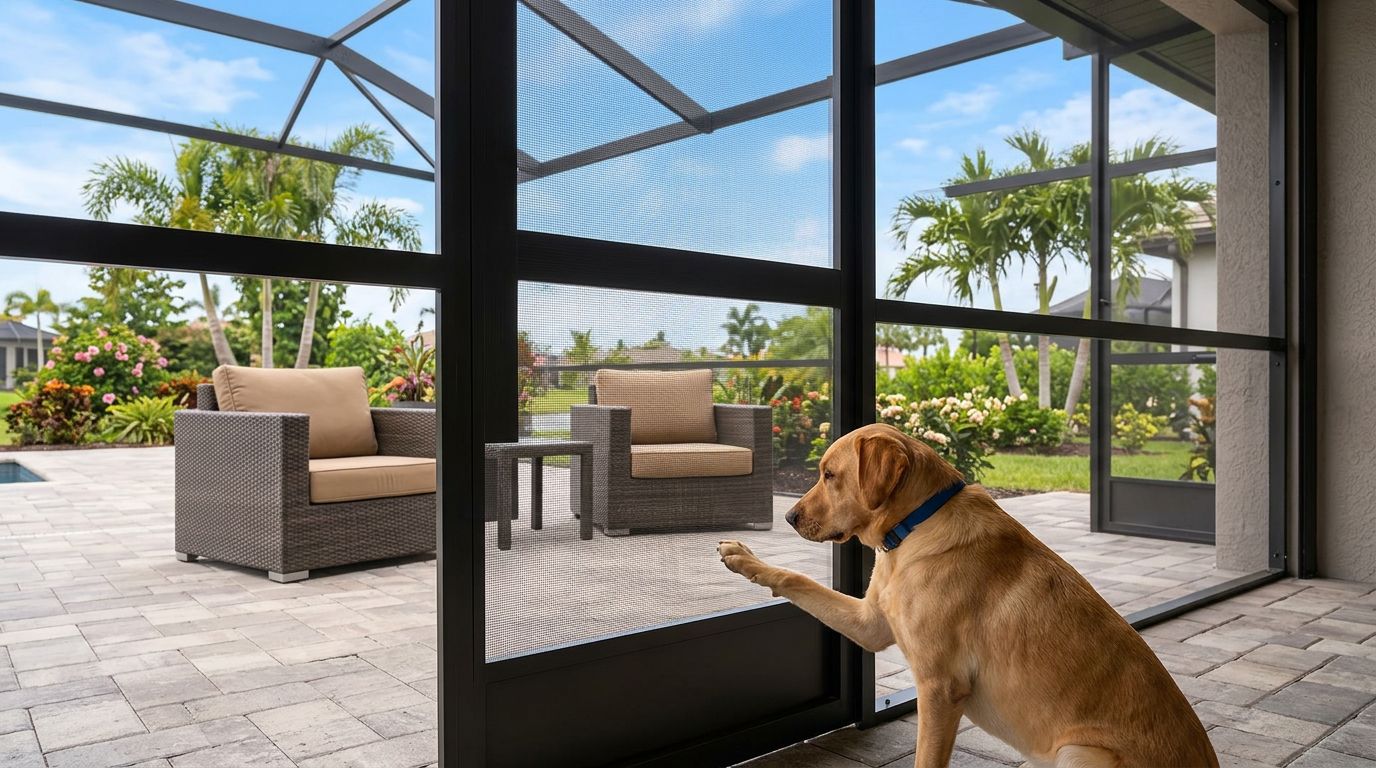
A pet can turn a screen panel into a scratching post when it sees a bird outside, rushes toward the door, or wants your attention. Pet-resistant screen panels may be worth considering, but material choice alone won't prevent every scratch.
The most reliable approach combines suitable panels with changes to your pet's access, routine, and surroundings. Start by identifying what draws your pet to the screen, then choose practical ways to reduce contact.
Why pets scratch screen panels
Scratching can come from excitement, frustration, play, or a desire to get through a barrier. A cat may paw at movement outdoors, while a dog may rush the screen when someone approaches the home. Some pets also scratch near doors because they've learned that the behavior gets attention or opens a path outside.
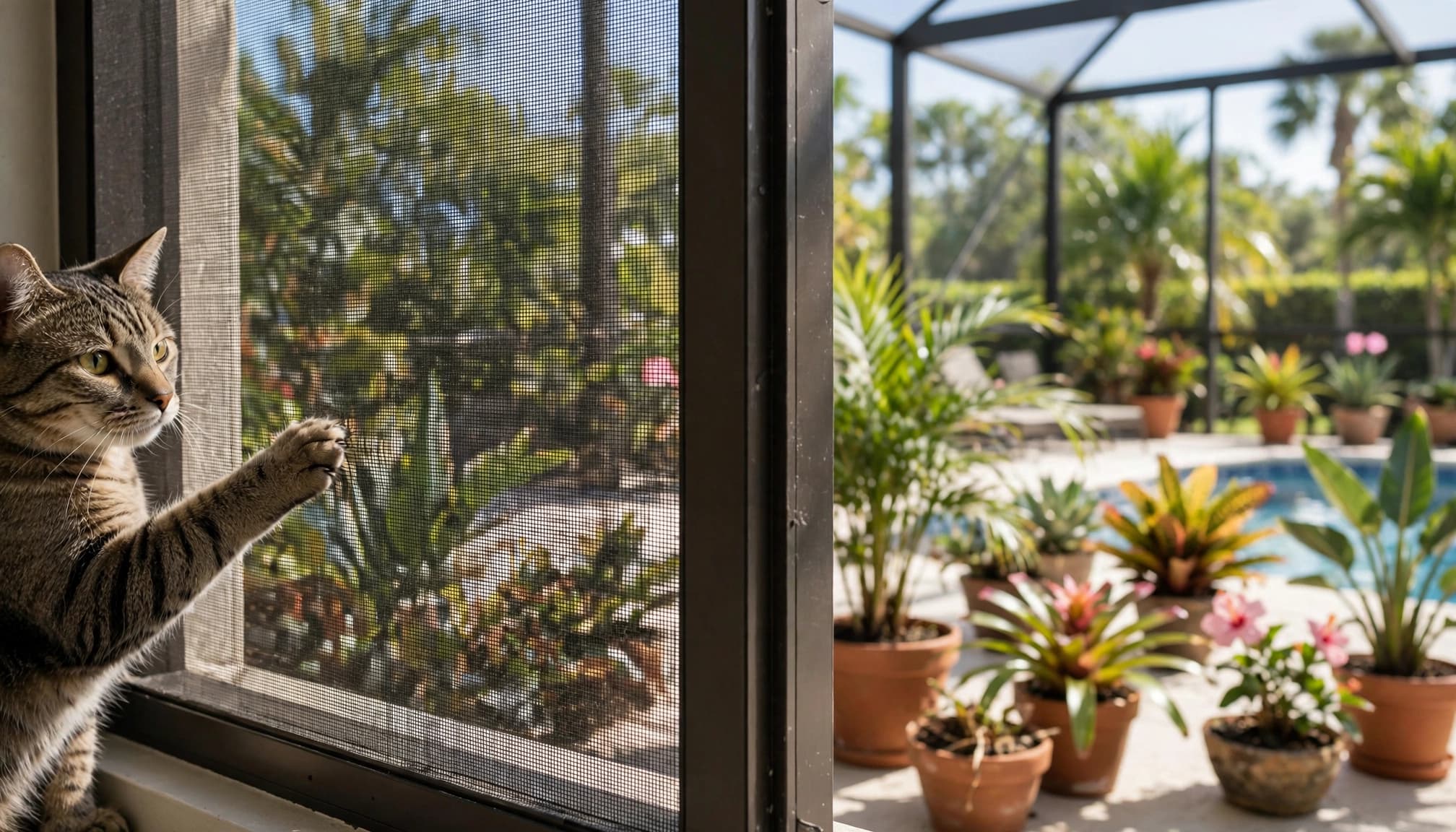
Notice when and where it happens
Watch for patterns before changing the panel or your pet's routine. Does scratching happen mainly at the door, at a low corner, or when birds or other animals appear? Does your pet target one panel after being left outside?
The answers help you choose a focused response. For instance, a pet that scratches at a door may need a different access plan than a cat that repeatedly paws at movement near a window panel.
Check what the screen is exposed to
Look at the area around the panel, too. A chair, planter, or storage bin close to the mesh can give a pet a place to climb or push off. A loose door, damaged latch, or panel that has already begun to sag may also draw extra attention.
Keep the screen area clear and inspect it from both sides. Knowing the location and cause of repeated contact makes it easier to decide whether to adjust the environment, the pet's routine, or the panel itself.
Choosing pet-resistant screen panels
A panel marketed as pet resistant can be a useful option where claws or paws often meet the mesh. The label alone doesn't tell you whether it suits every part of your enclosure, though. Discuss where the panel will go, how it will look, and how it fits the enclosure's other needs.
Compare the right qualities
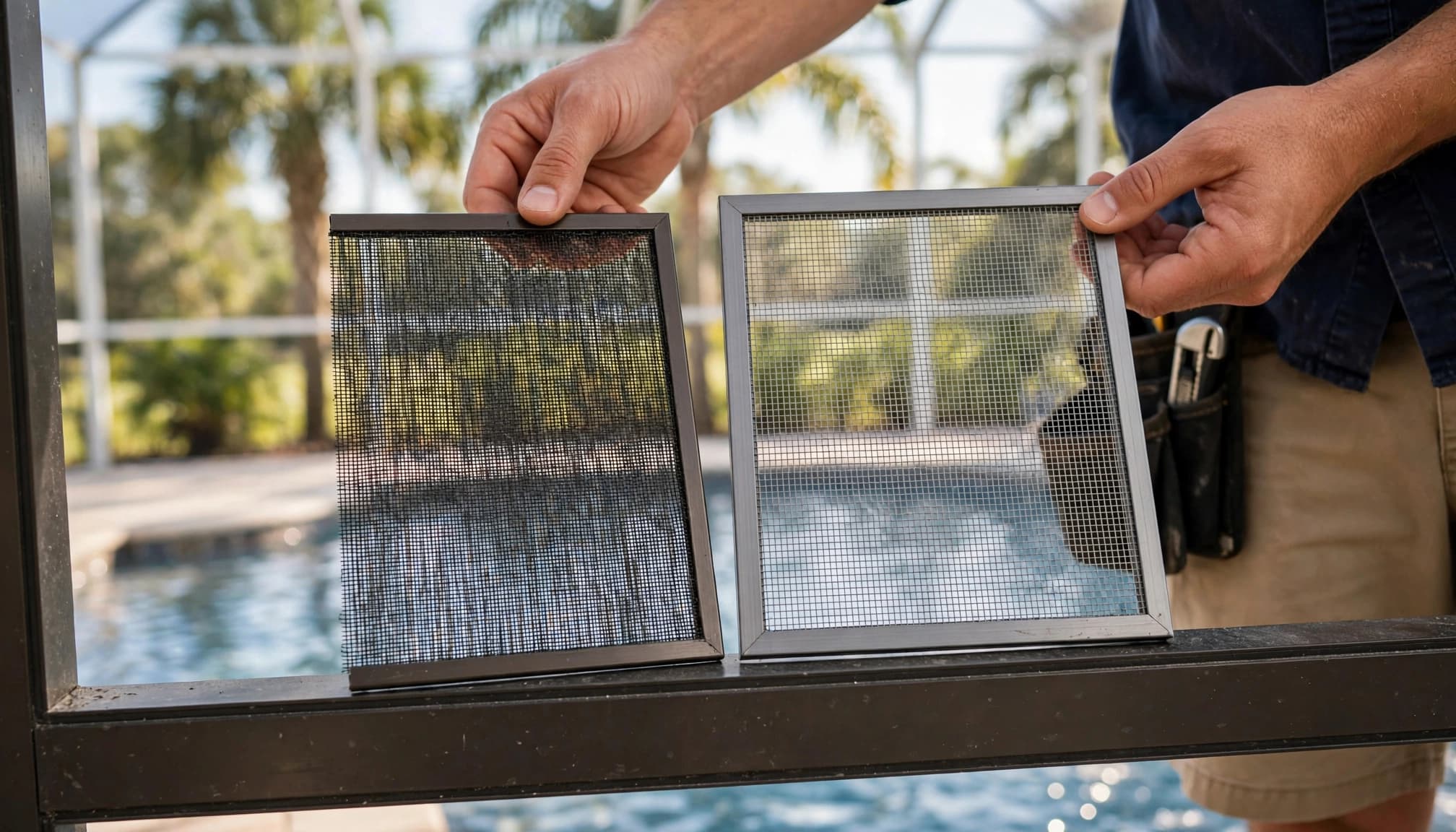
Ask the installer how the pet-oriented option differs from the screen already on your home. Consider visibility, airflow, insect protection, privacy, and how the material will look beside existing panels. A choice that works on one lower panel may not be the right fit throughout a large screen enclosure.
Be clear about your pet's size and habits. A dog that leaps at the door places different demands on the panel than a cat that lightly paws at one corner. Sharing those details helps the installer discuss suitable options without treating any screen as damage-proof.
Ask about placement and installation
You may not need to replace every panel. If scratching is limited to one spot, ask whether a pet-oriented screen can be installed in that location and how it will meet the surrounding panels. The frame, door, and adjacent mesh should also be considered so the repair looks consistent and functions properly.
A professional can explain how the available options affect appearance and use. Ask about the panel's care needs as well, especially if your enclosure includes different screen types or older sections.
Reduce contact around doors and panels
Many scratches happen at entry points, where pets wait for people or try to follow them outside. Reducing access to the vulnerable area can help prevent repeated contact while preserving the screen for everyday use.
Manage access near doors
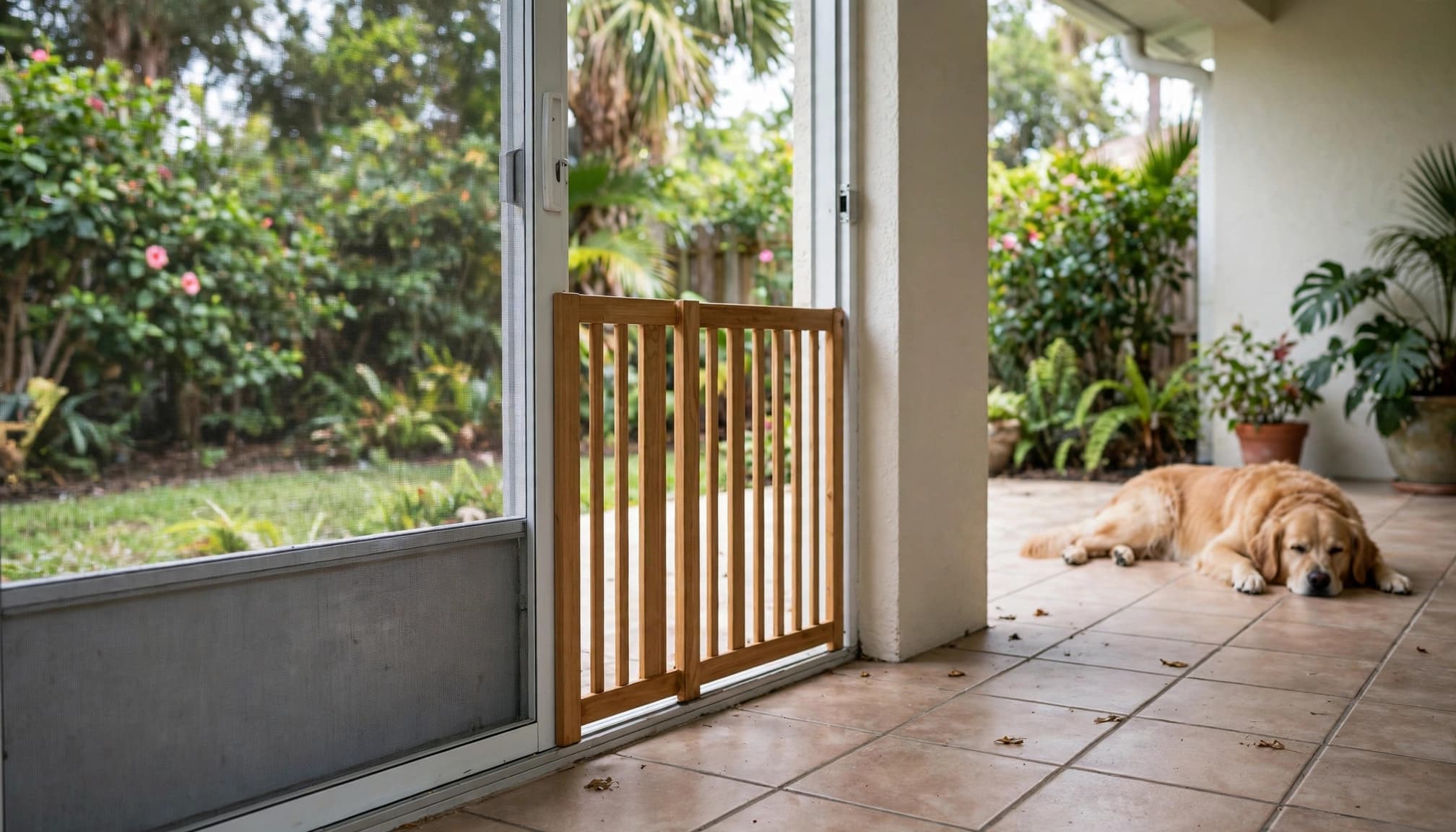
A pet gate placed inside a doorway can create a buffer between an excited animal and the screen door. Choose a position that keeps the pet away from the mesh while still allowing people to use the entrance safely. Keep the door latched whenever the pet is nearby, and avoid letting the animal push against it to signal that it wants to go in or out.
Clear the space beside vulnerable panels
Move furniture and objects that let pets reach higher sections or brace themselves against the mesh. Keep toys, food bowls, and beds a short distance from the screen if your pet tends to scratch nearby. For outdoor pets, provide a comfortable resting spot away from busy openings.
These small changes can make the screen less inviting. They also help you see whether the scratching is linked to a particular object or location before you consider a panel replacement.
Build habits that steer pets away from screens
A screen is a barrier, not a training tool. When your pet approaches it, calmly guide the animal toward a different activity or place. Reward the behavior you want, such as waiting away from the door or settling on a designated bed.
Offer an alternative activity
Keep suitable toys or a scratching surface in another part of the space. For cats, place a scratching post where it's easy to reach, but not directly against the screen. For dogs, use a toy or brief play session to redirect attention before outdoor activity becomes a source of excitement.
The alternative should be available before scratching starts. If you wait until your pet is already clawing at the panel, it may be harder to shift its attention. Consistency from everyone in the household also matters.
Make arrivals and departures calmer
Pets often become animated when people enter or leave. Give your pet a moment to settle before opening the screen door, and avoid rewarding scratching by immediately opening it in response. If your pet gets overstimulated by activity outdoors, limit unsupervised time near that section.
Keep nails trimmed as part of regular pet care. Shorter nails can reduce the chance of a claw catching when a pet paws at mesh, though trimming won't stop the behavior itself. A veterinarian or groomer can advise on appropriate nail care.
Inspect panels and deal with damage early
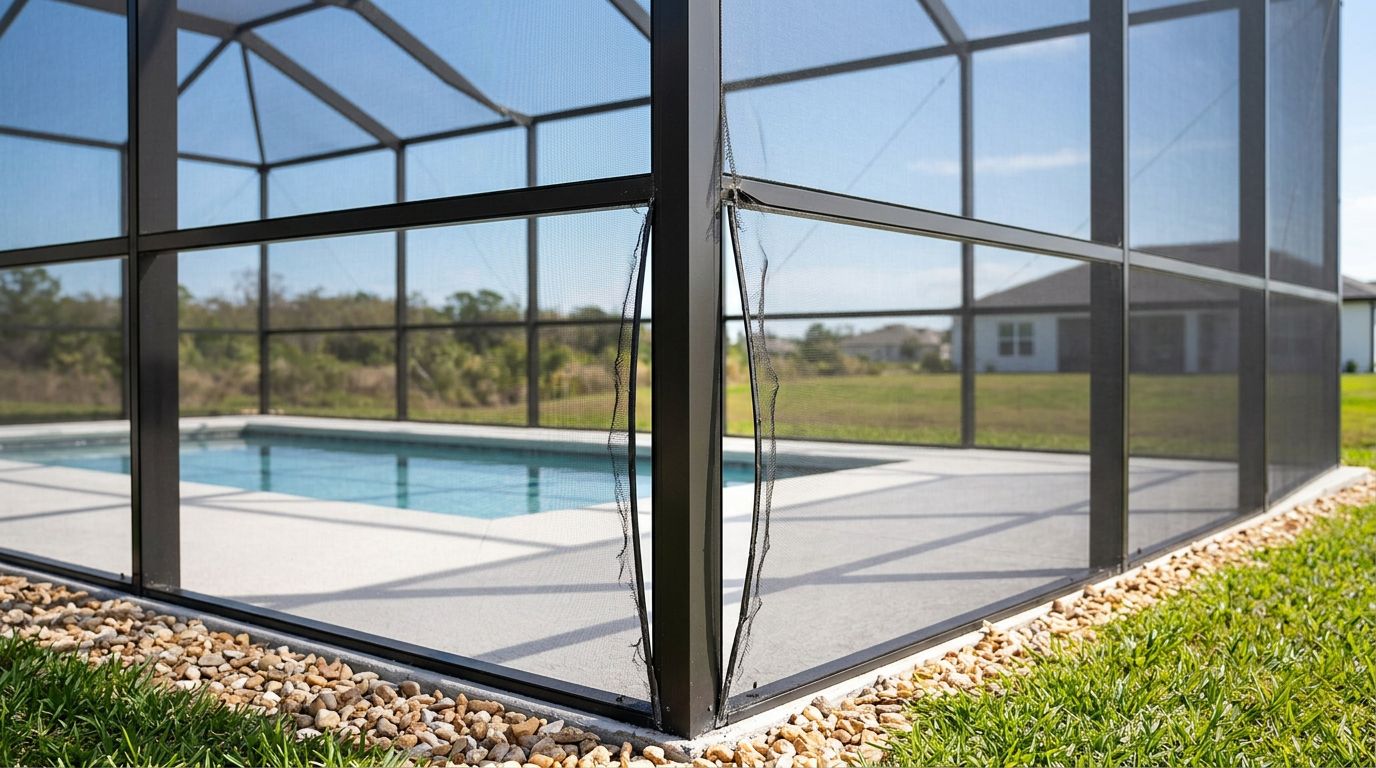
Check the panels that your pet approaches most often. Look for small tears, loose edges, sagging mesh, or changes around the spline and frame. Also test that the screen door closes and latches correctly. A quick inspection can reveal a problem before it becomes a larger opening.
Clean without stressing the mesh
Dust and outdoor debris can make it harder to see small changes. Use gentle cleaning methods suited to your screen material, and avoid pushing or scrubbing hard against the mesh. Don't hang objects from a panel or lean equipment against it, since added pressure can affect the screen and frame.
After cleaning, look closely at the corners and lower edges. Those areas may be harder to notice during a casual glance, especially when furniture or plants sit nearby. Move objects away so the full panel is visible.
Respond to tears and loose sections
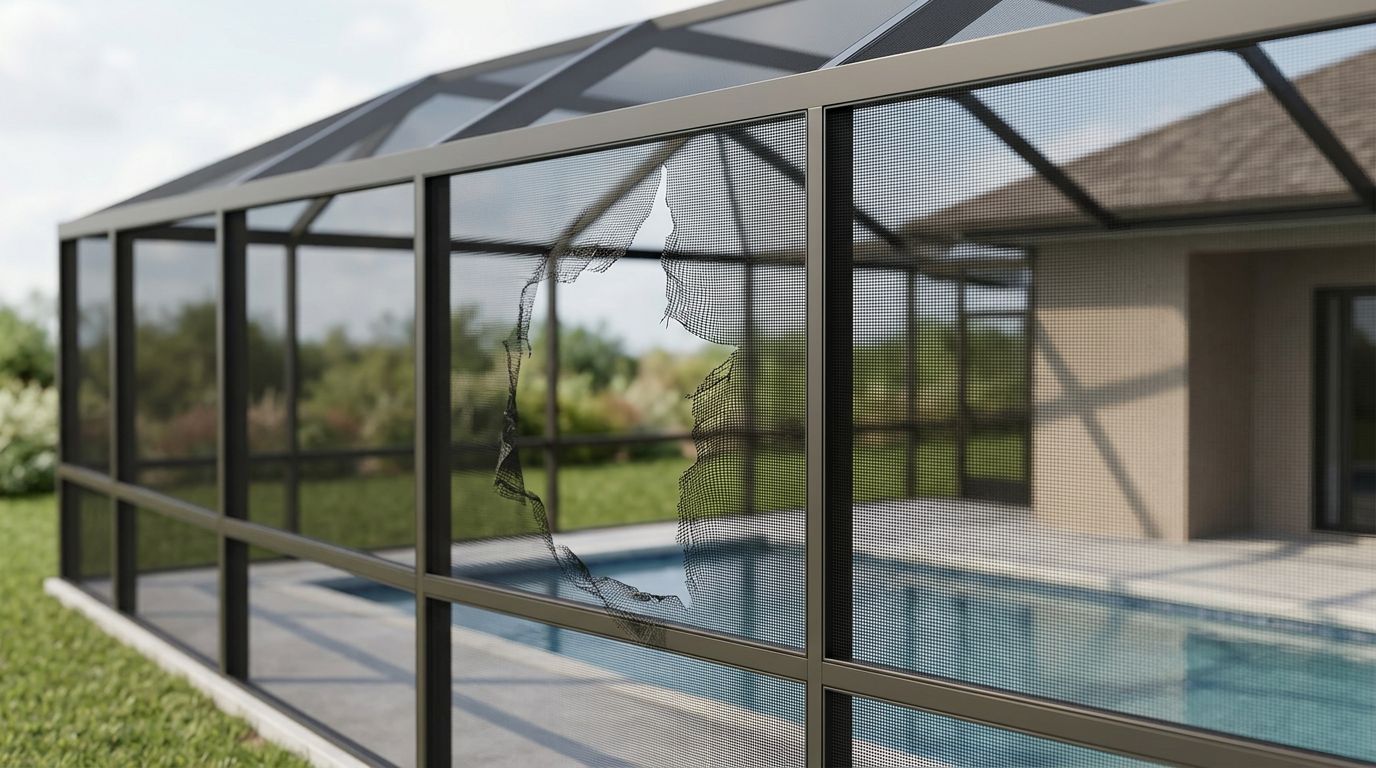
If you find damage, keep pets away from that area until it's addressed. A small tear can become an access point, and a loose edge may attract further pawing. Avoid relying on an improvised patch as a permanent fix, particularly if the panel is under tension or the frame has shifted.
Note which panel is affected and whether the damage reaches the frame or door. Those details help a screen professional assess the repair and whether rescreening makes sense.
When to repair or rescreen
A single damaged panel may call for a localized repair, while multiple worn or torn sections can make a broader rescreen worth discussing. The frame and hardware matter, too. If the door no longer closes well or several edges have loosened, replacing mesh alone may not address the full problem.
Look beyond the damaged spot
Ask whether the surrounding panels remain in good condition and whether the frame or door needs attention. A new panel should fit the enclosure's function, including the visibility, insect protection, privacy, and durability you want. If pet contact happens at several points, discuss material choices for those areas rather than assuming one panel solves everything.
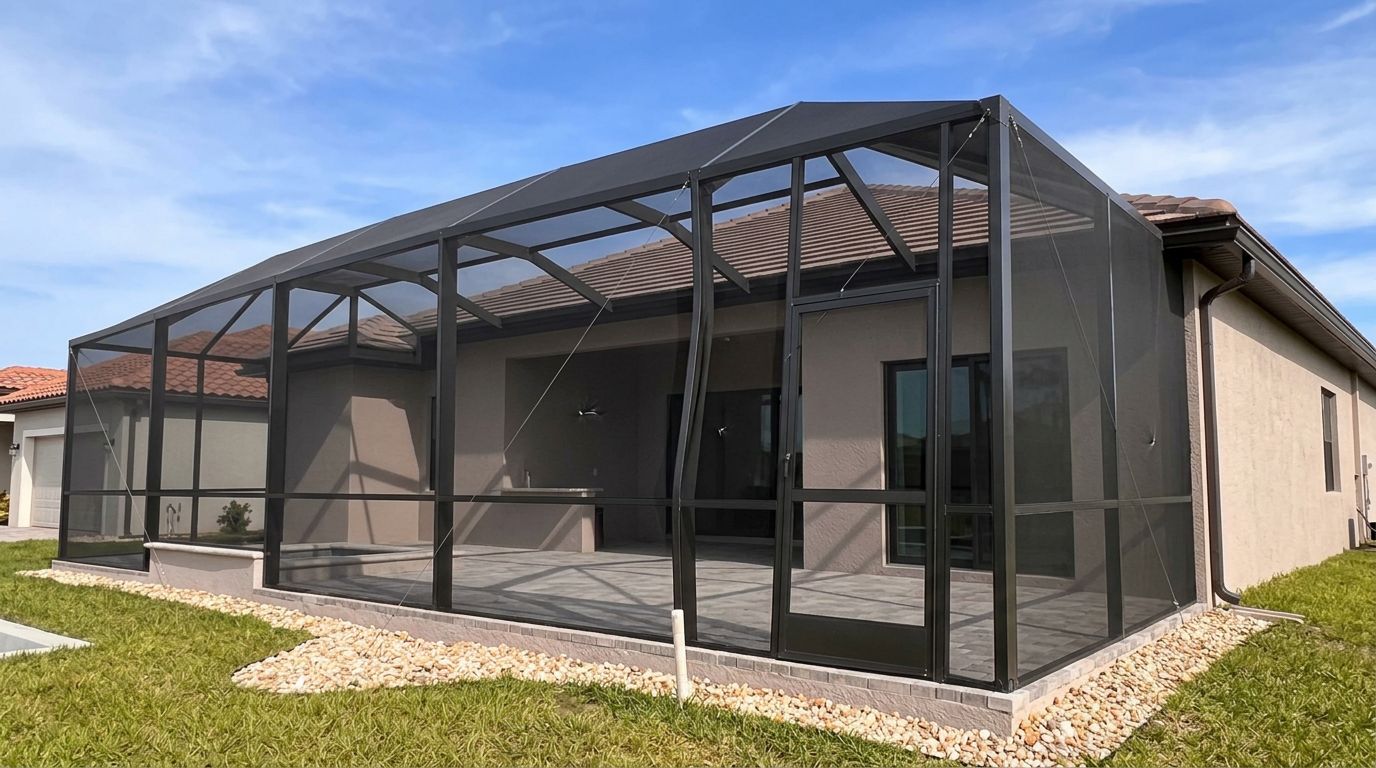
For homeowners in Cape Coral and Southwest Florida, we handle screen enclosure projects and rescreens, including screen, door, and hardware work. We can discuss a pet-focused concern as part of the enclosure plan and provide a free, no-obligation estimate.
Share the pattern with your installer
Tell the installer what kind of pet you have, where the scratching happens, and whether it occurs during specific activities. Mention any previous repairs and your priorities for appearance, visibility, and privacy. Clear details help narrow the options and avoid choosing a panel based only on a product label.
Key takeaways
- Track where, when, and why your pet scratches before choosing a solution.
- Compare pet-oriented screen options for the panel location and your enclosure's needs.
- Use gates, clear space, and consistent routines to reduce contact with mesh.
- Inspect affected panels and doors, then address loose or torn areas promptly.
Frequently asked questions
Will pet-resistant screen panels stop all scratches?
No screen choice should be treated as a guarantee against scratching. A pet-oriented option may suit areas that receive frequent contact, while access management and training can further reduce exposure.
Should I replace every panel?
Not always. If only one area receives repeated contact, ask whether replacing that panel is appropriate. A professional can also assess the frame, nearby mesh, and door before you decide on a larger rescreen.
Can I place a pet gate by a screen door?
A gate can help create space between a pet and the door. Position it so the pet can't push into the screen, and make sure people can still enter and exit safely.
Protect the panel and address the cause
Pet scratches often start with a repeatable trigger: an exciting view, a busy doorway, or an easy place to climb. Pair a suitable screen choice with better access management, calm routines, and regular inspections.
That combination gives your panels a better chance of staying intact while keeping the enclosure comfortable for people and pets.