Pet-Resistant Screen Mesh for Bonita Springs Homes
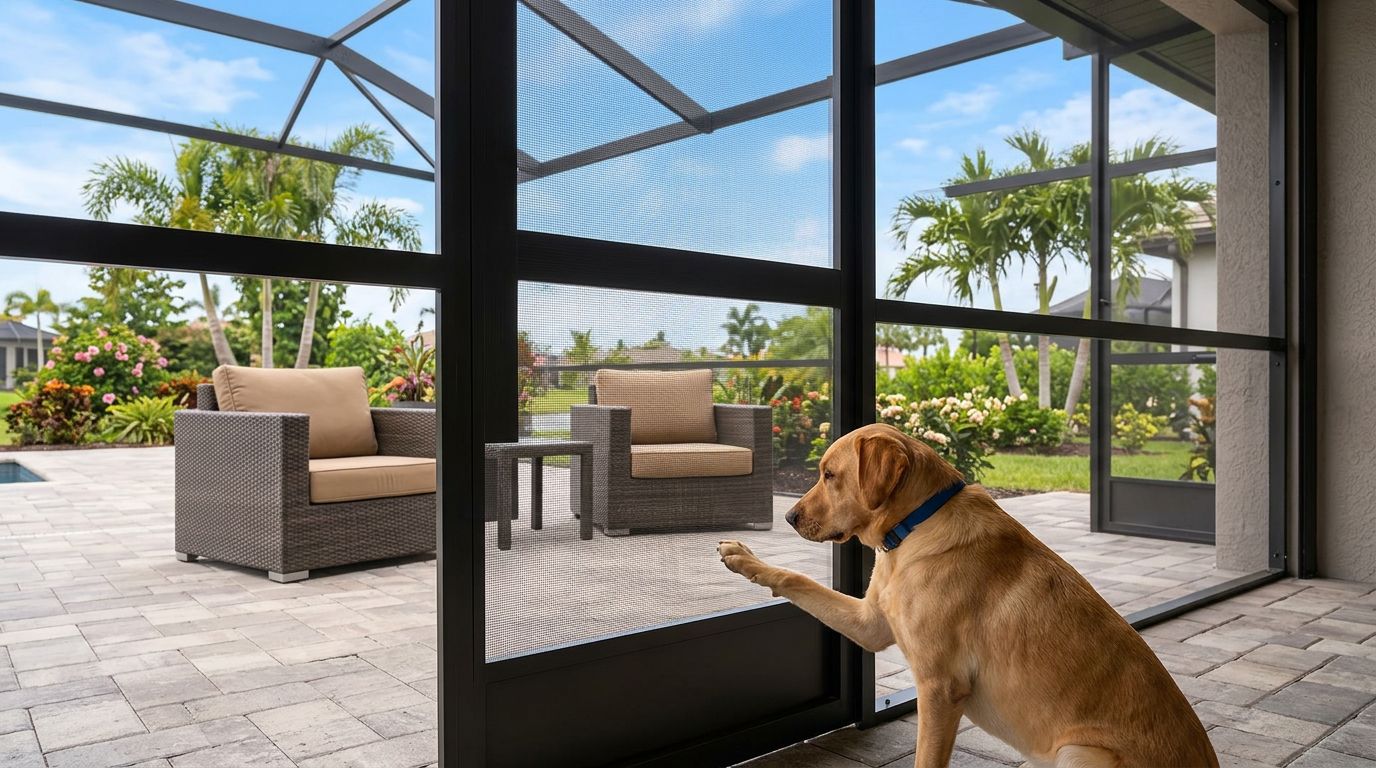
Pet-resistant screen mesh can give Bonita Springs homeowners a sturdier barrier where pets press or paw at a screen. It's tougher than standard mesh, but it isn't claw-proof, and its heavier construction can affect visibility, airflow, cost, and upkeep.
The right choice depends on your pet's habits and how you use the enclosure. Before choosing a mesh, weigh its everyday trade-offs against the conditions in your home.
Key Takeaways
- Pet-resistant mesh is designed to handle more pet-related wear than standard screen, but sharp claws can still damage it.
- A heavier weave may affect how clearly you see through the panel and how much air passes through.
- Expect a higher cost than standard mesh in many cases, though the total depends on the material and the project.
- Match the mesh to the areas your pet uses most, and consider the existing enclosure and its frame.
How Pet-Resistant Screen Mesh Differs
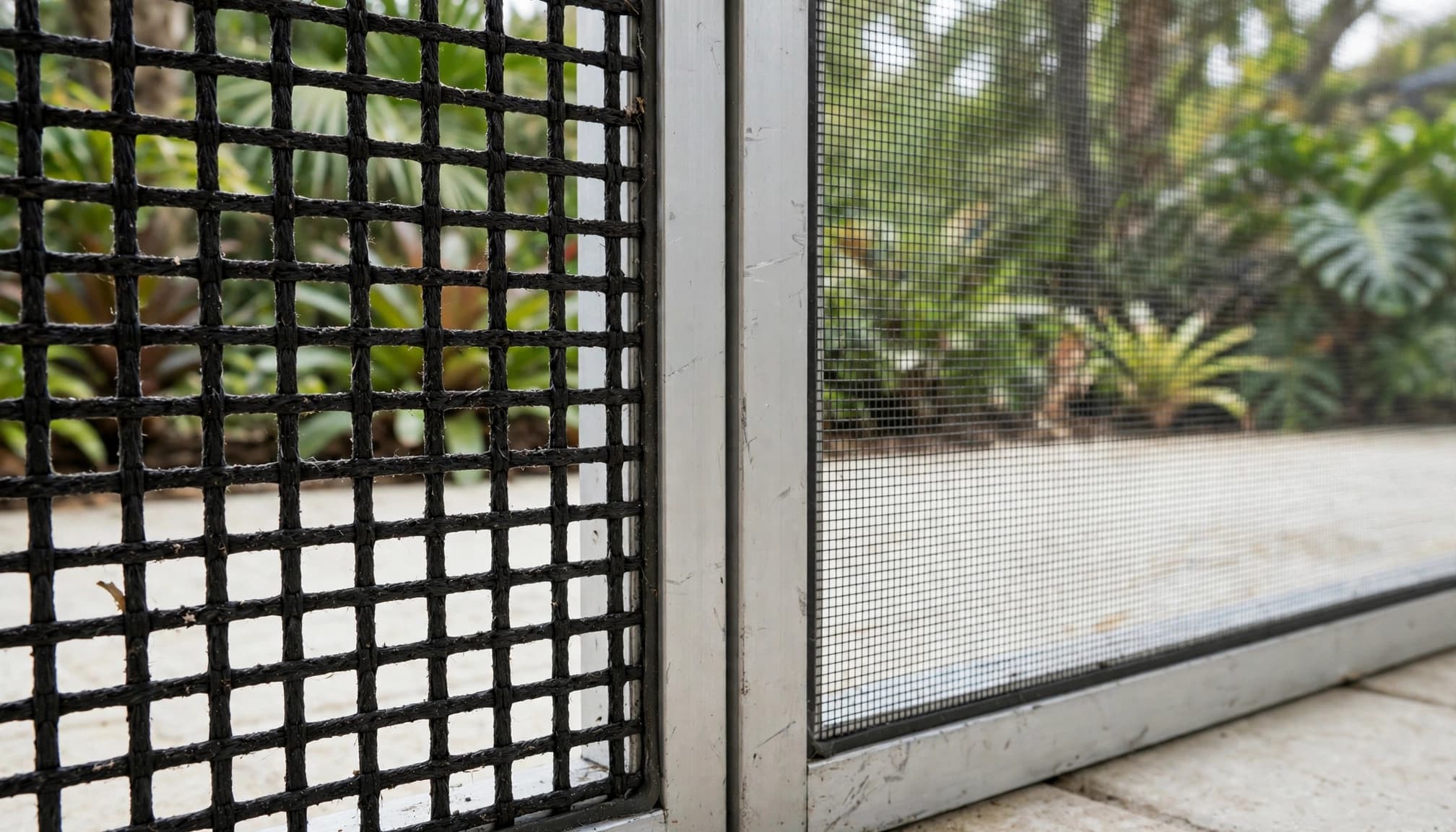
Pet-resistant screen mesh generally uses thicker strands than standard screening. That construction is intended to better withstand everyday contact, such as a pet leaning against a panel or brushing past it. It doesn't make the screen immune to damage.
Tougher, but not claw-proof
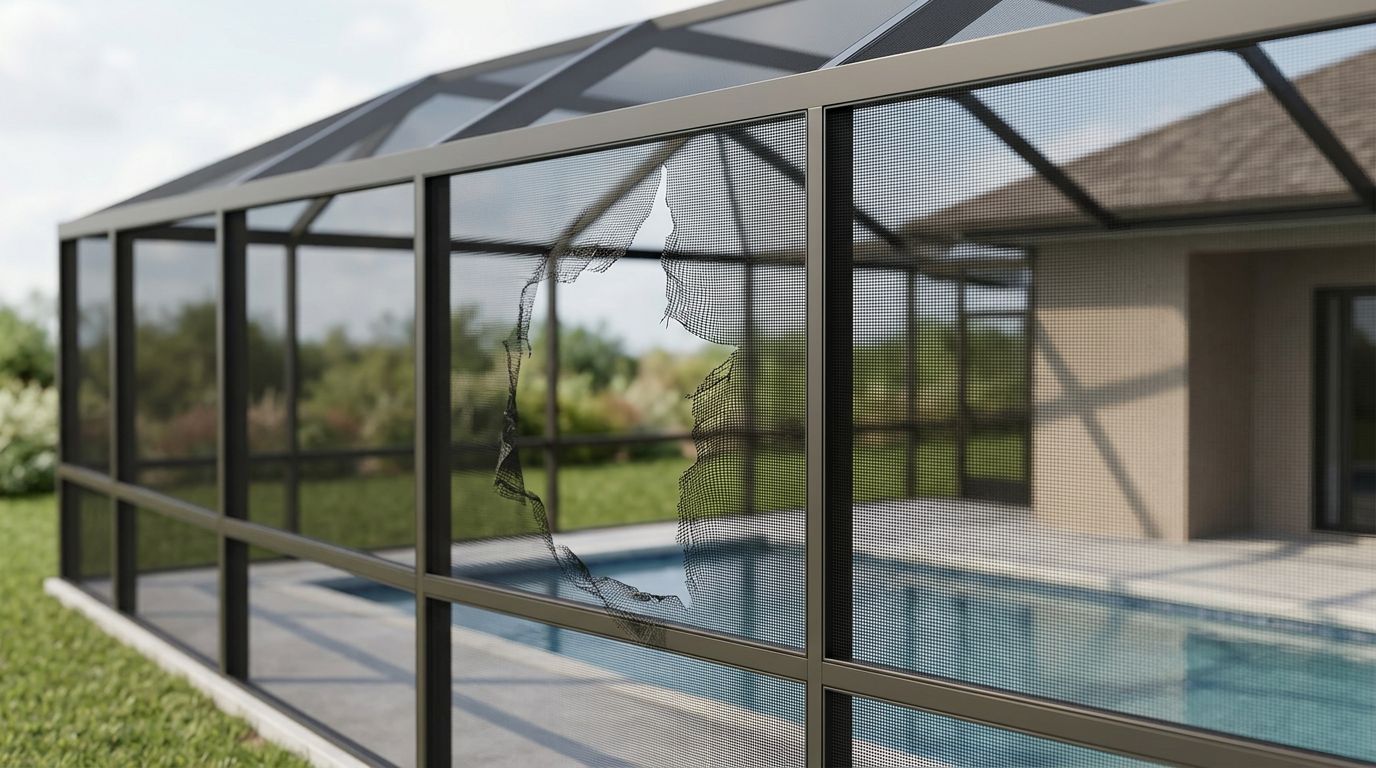
A sturdier screen can be a practical choice if your dog or cat frequently pushes against a particular panel. Still, repeated scratching, sharp claws, or persistent pressure can damage mesh over time. No pet-resistant screen should be treated as a substitute for managing a pet's access or behavior.
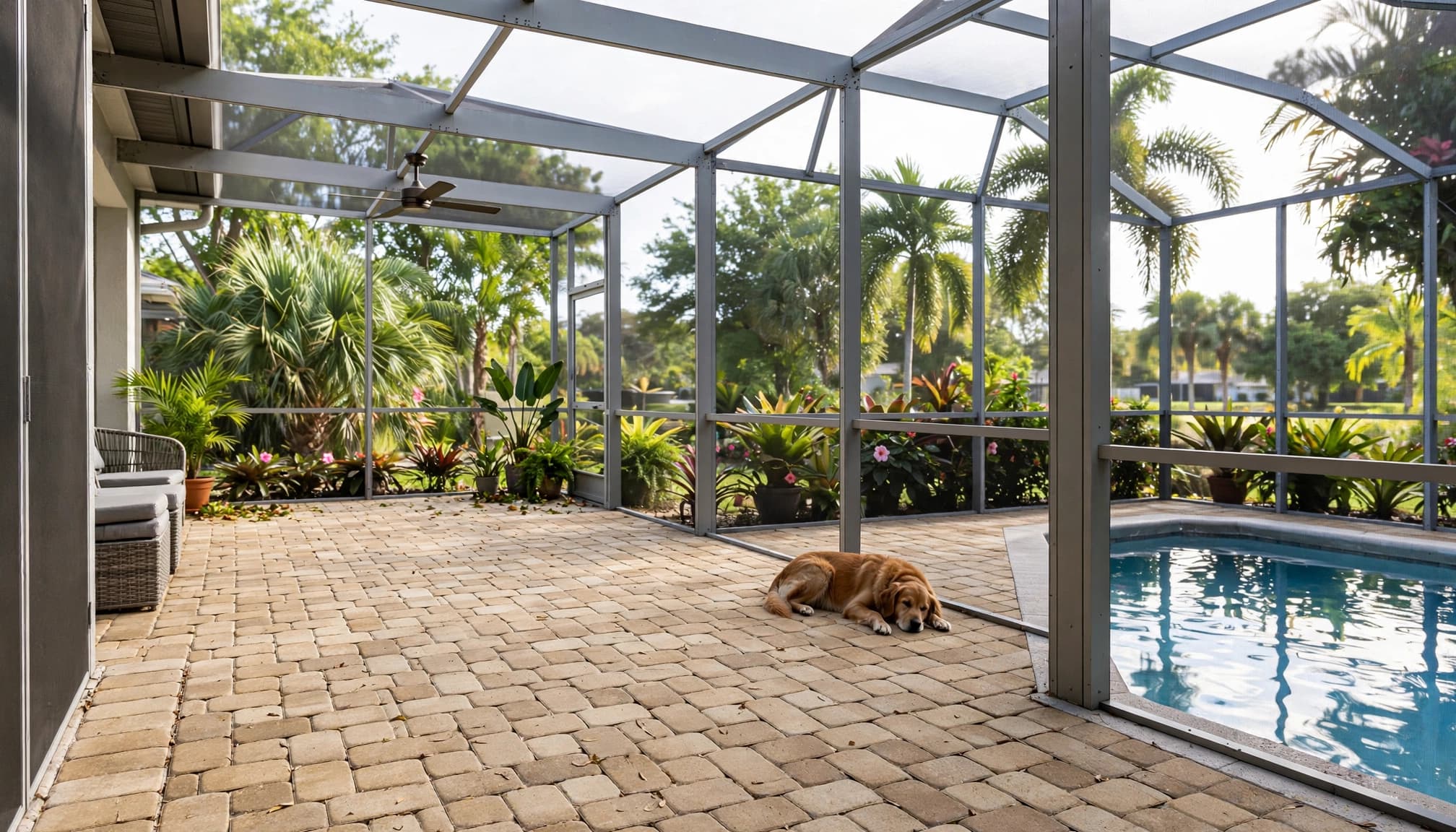
Consider where your pet spends time and what it does near the screen. A calm pet that rests in the lanai presents a different wear pattern from an animal that routinely paws at a door or chases movement along the enclosure wall.
Choose for actual behavior
Think about whether the issue is occasional contact, a favorite resting spot, or regular scratching. Those details help determine whether you need a sturdier mesh throughout the enclosure or only in specific areas.
Also consider the size and placement of the panels your pet reaches. A screen door may see more contact than an upper wall panel, while a pet that watches the yard from one corner may repeatedly press against that section.
Compare Durability, Visibility, Airflow, and Cost
A tougher mesh involves trade-offs. Compare the following factors before choosing it for a pool enclosure, patio, or lanai.
Durability and maintenance
The main reason to consider this type of screen is its more robust construction. It can be a better fit for everyday contact than a finer, lighter mesh, but the difference depends on the material and the conditions in your home. Scratches, tears, and loosened sections can still occur.
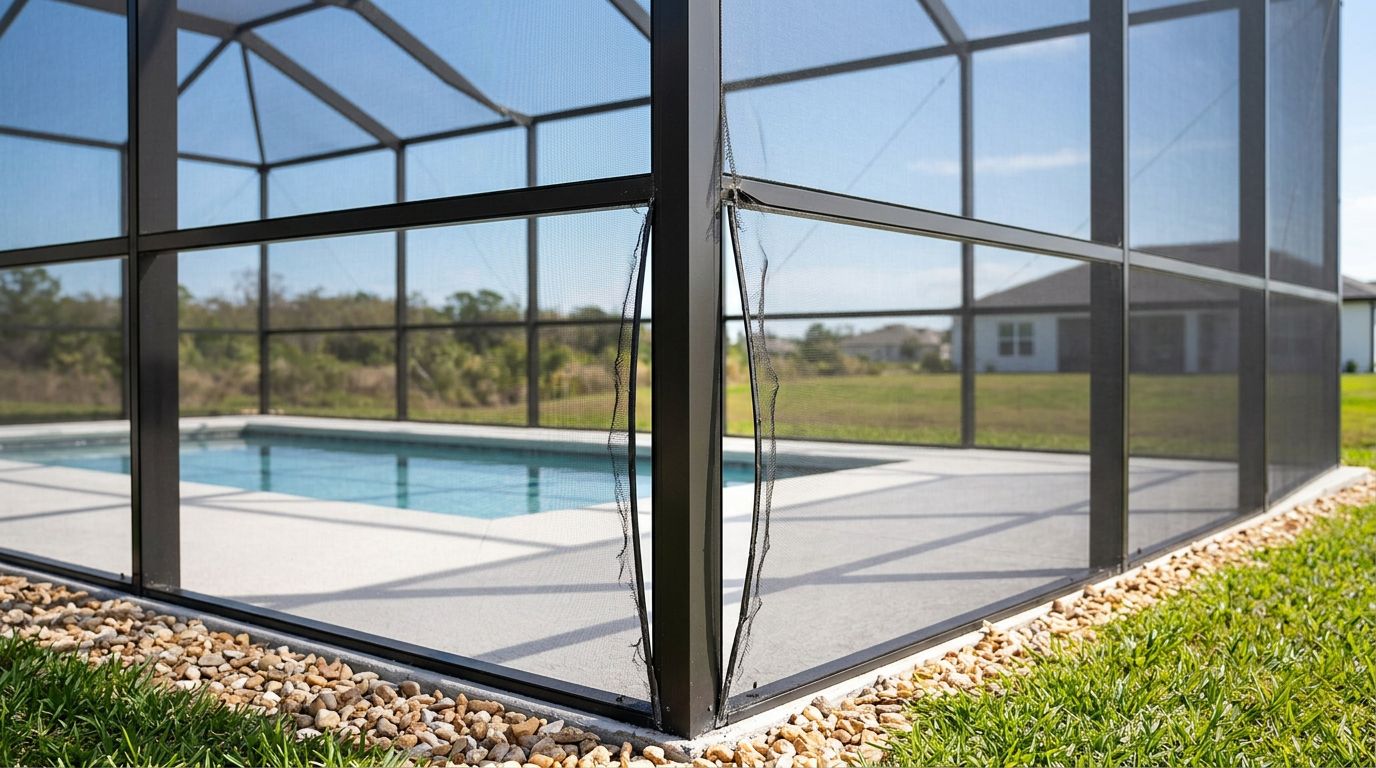
Check the panels your pet uses most as part of routine enclosure care. Look for visible tears, pulled edges, or changes in tension. Prompt attention to a small area can help you address damage before it affects nearby screening.
Visibility and airflow
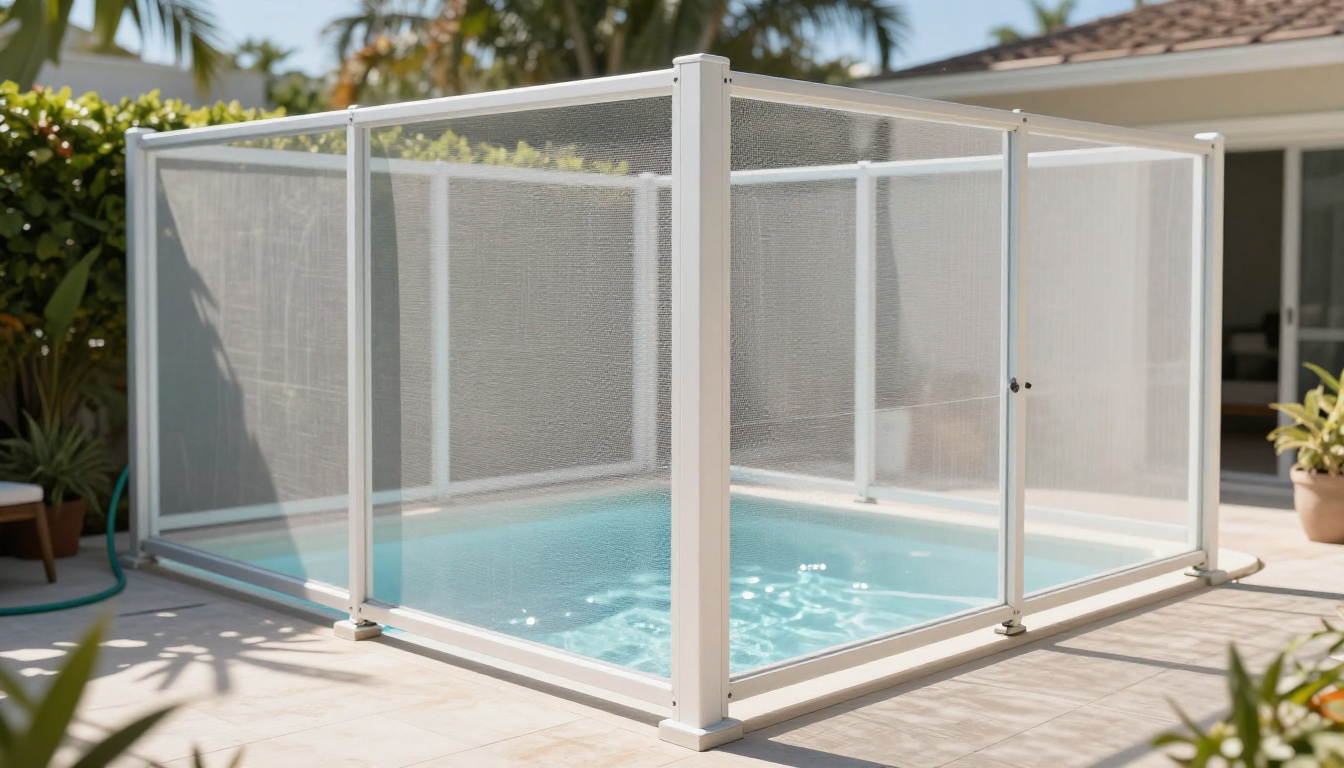
A thicker weave can look more noticeable than standard mesh, particularly when you view it against a bright garden or pool. It may also reduce the open feeling or airflow compared with a finer screen. The effect varies by mesh, panel size, lighting, and viewing angle.
If the view is a priority, compare samples in the space where they'll be installed. A sample viewed outdoors in daylight can give you a more useful impression than one examined under indoor lighting. Consider both the view from inside and how the panels look from the yard.
Cost
Pet-resistant options often cost more than standard screening because the mesh itself may be more substantial. The overall price also depends on how many panels need replacement and whether the project includes other enclosure work. There's no single price that applies to every Bonita Springs home.
If only a few areas receive frequent pet contact, a partial rescreen may be worth discussing alongside a full enclosure rescreen. Compare the scope of each option, not only the material cost. A lower initial price may not suit a household if the screen is exposed to repeated pet pressure.
Start With Your Pet's Habits
The best mesh choice reflects how your household uses the enclosure. A screen enclosure used for pool access may have different wear points from a quiet lanai where a pet spends most of the day.
Identify high-contact areas
Walk through the space and notice where your pet waits, rests, or follows activity outside. Look at the door, lower panels, and corners near favorite spots. These are useful places to discuss when comparing mesh options.
If your pet mostly lounges indoors or stays away from the screen, a full enclosure upgrade may not be necessary. On the other hand, repeated contact across several walls could make a more durable option worth considering for a larger area.
Account for doors and daily routes
Doors see frequent use from both people and pets. Consider whether your pet tends to follow you through the enclosure, brush past the door, or wait beside it. That traffic may make the entry area a more important priority than a distant wall.
Think about how people move through the space, too. A mesh that looks or feels different from the rest of the enclosure may stand out when used on only one panel. A sample can help you decide whether a targeted repair or a broader rescreen will suit the room.
Consider Bonita Springs Sun and Weather
Southwest Florida homes face strong sun, humidity, rain, and outdoor debris. Those conditions affect the enclosure as a whole, so pet resistance shouldn't be the only factor in a mesh decision.
Consider the enclosure's exposure
A panel that gets direct sun for much of the day may age differently from a shaded section. Trees and landscaping can also affect how much debris reaches the screen. Note which sides of the enclosure get the most exposure and share that information when discussing materials.
Homes closer to the coast may also experience salt in the air. Local conditions differ by property, so avoid assuming every panel faces the same demands. A mesh that meets your pet's needs should also make sense for the enclosure's location and exposure.
Keep cleaning practical
Routine care should fit the way you use the space. Remove loose leaves and dirt with gentle cleaning, and pay attention to areas where debris gathers. Avoid treating a sturdier mesh as damage-proof or using forceful cleaning that could stress the screen or frame.
After storms or heavy rain, a quick visual look can reveal debris or a newly visible tear. That doesn't mean every panel needs frequent special treatment. It gives you a chance to spot a change before it becomes harder to manage.
Make Sure the Existing Enclosure Fits the Plan
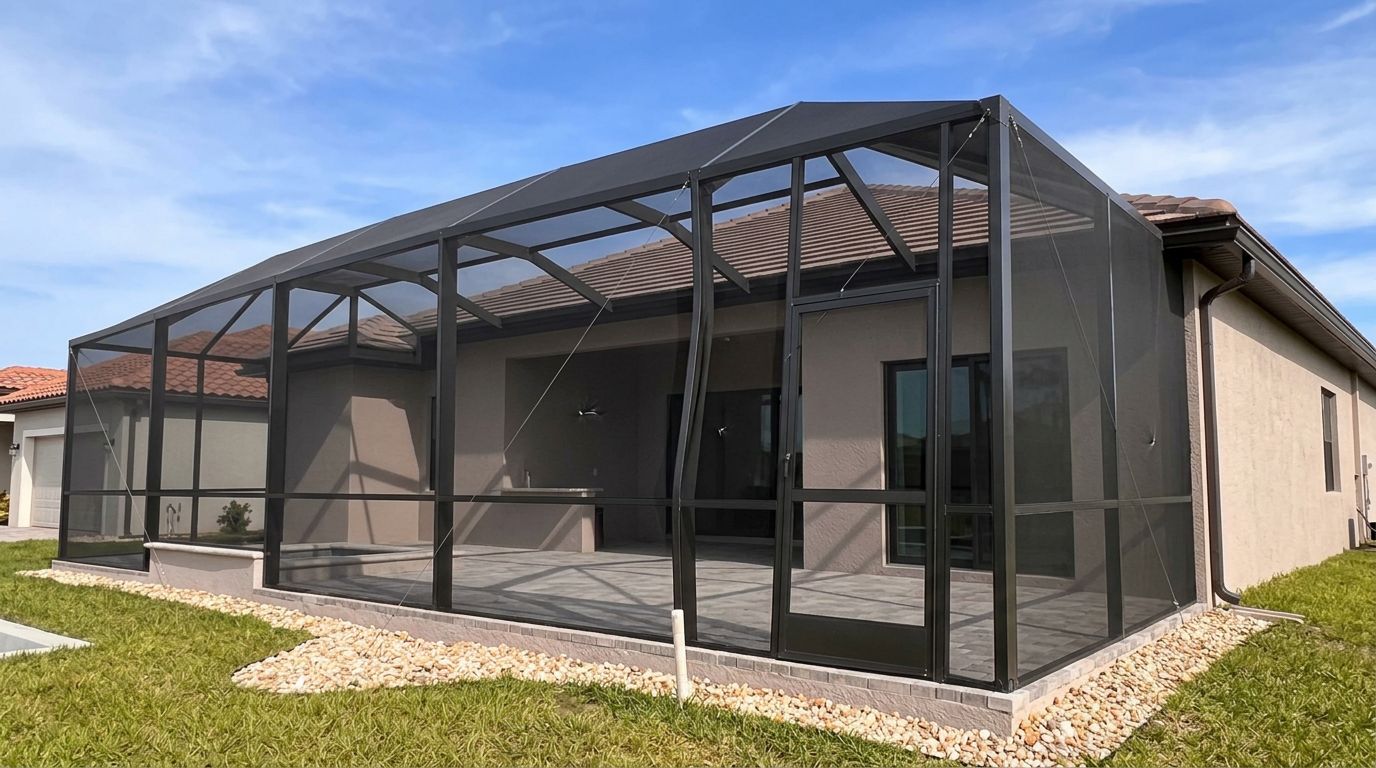
Mesh is only one part of a screened outdoor area. The condition of the existing frame, doors, and surrounding panels can affect whether a focused repair or a full rescreen makes sense.
Review the frame and panel condition
An installer should consider the frame and how the panels fit before recommending a mesh change. If the enclosure has loose, damaged, or uneven areas, changing mesh alone may not address the full problem. The material should suit the existing structure and the intended use of the space.
Take note of visible concerns such as worn door hardware, bent frame sections, or panels that no longer sit evenly. These details help define the project, even when pet contact is the original reason for considering a rescreen.
Decide between a partial and full rescreen
A few high-contact panels may call for a targeted replacement. A larger project may make sense when screening throughout the enclosure shows wear or when you want a consistent appearance across the space.
At Back Bay Screens, we provide enclosure and rescreening services in Bonita Springs and Southwest Florida. The work can involve design, permitting coordination, installation, screening, doors, and hardware, depending on the project. Discussing the full enclosure helps connect the mesh choice to the rest of the work.
Compare Samples and Project Options
Samples are useful because mesh can look different in place than it does in a small product image. Compare options in the light and viewing conditions of your own lanai or pool enclosure.
Discuss the trade-offs together
Bring up the specific panels your pet contacts and the qualities you care about most. Ask how the proposed mesh may affect visibility and airflow, and whether a targeted replacement or broader rescreen fits the enclosure. These topics make the choice more useful than comparing durability claims alone.
A practical discussion also includes how the screen will look alongside the existing panels. If the enclosure is a prominent part of the home, consistency may matter as much as the mesh's intended resistance to pet wear.
Look at the complete scope
A proposal should make clear which areas are included and whether the work covers only screening or other enclosure elements as well. When doors or hardware need attention, it helps to consider them with the mesh rather than treating them as unrelated issues.
Choose an option that balances your pet's behavior, the view, airflow, maintenance, and budget. A mesh with a sturdier build may be appropriate, but only if its trade-offs fit the space you actually use.
Frequently Asked Questions
Is pet-resistant mesh claw-proof?
No. It's built to be tougher than standard screen, but sharp claws and repeated scratching can still damage it. Its resistance shouldn't be treated as a guarantee against tears or punctures.
Will pet-resistant mesh block my view?
It can appear more visible than standard mesh because it's generally heavier. The effect depends on the specific material, lighting, and viewing angle, so looking at a sample in the enclosure is useful.
Does it reduce airflow?
A denser or heavier weave may reduce airflow compared with a finer screen. The difference varies by product and installation, so consider airflow along with pet resistance when comparing options.
Does pet-resistant mesh cost more?
It often costs more than standard mesh, but the total depends on the material and the amount of screening involved. Replacing a few panels and rescreening an entire enclosure are different scopes of work.
Choose Mesh That Fits Your Home
Pet-resistant screening can be a sensible choice for areas that see regular contact from pets, but it isn't claw-proof. Its durability, visibility, airflow, cost, and care all matter when you select mesh for a Bonita Springs home.
Start with your pet's habits and the condition of your enclosure. Then compare samples and project options so the screen supports both everyday use and the feel of your outdoor space.