
Can a Pool Cage Go Up Before a Pool Is Finished?

Can a Pool Cage Go Up Before a Pool Is Finished?

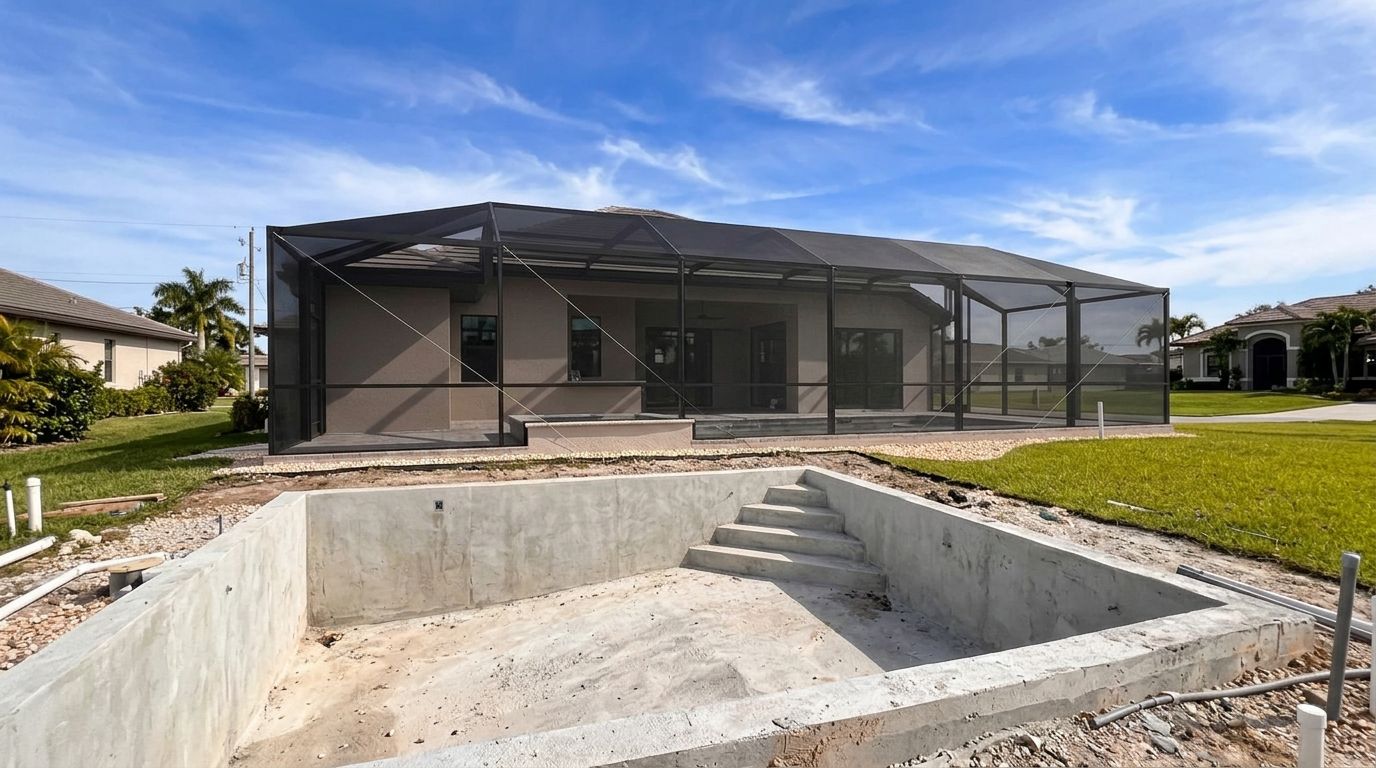
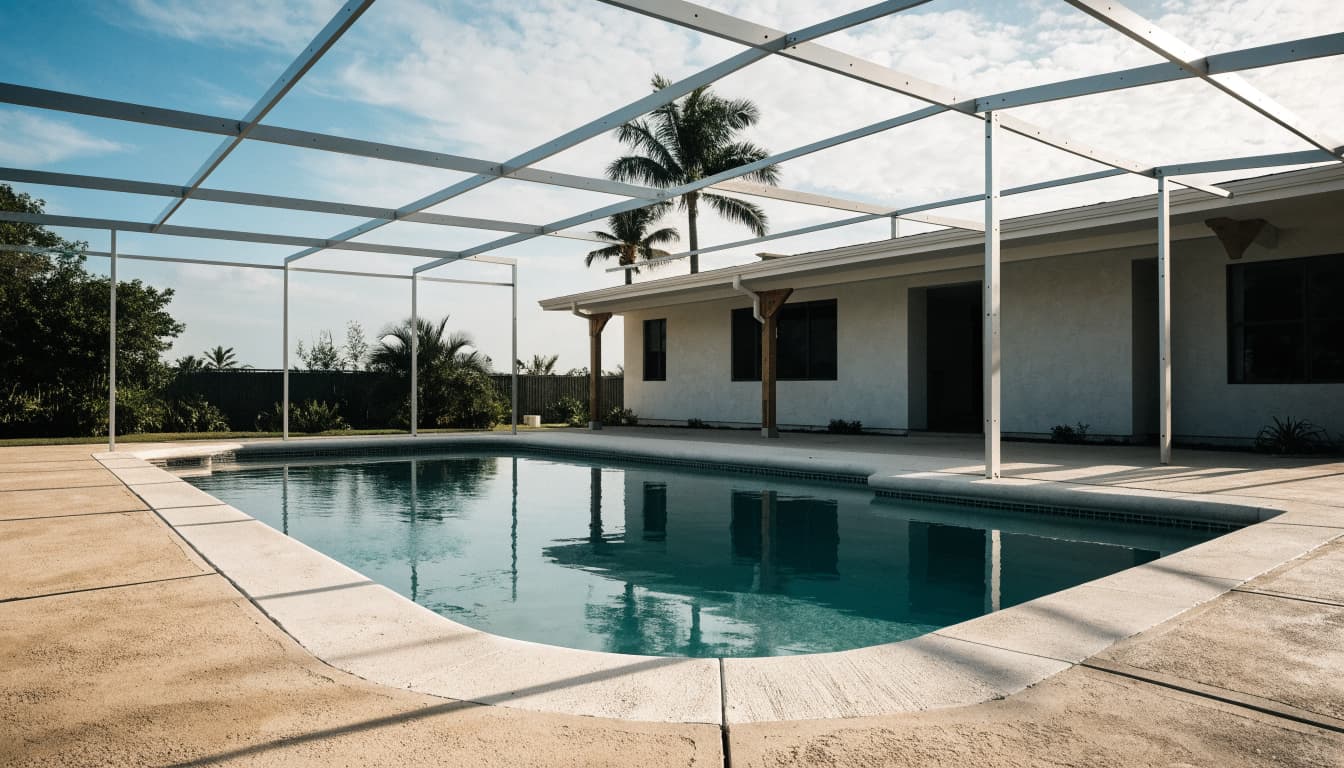
A pool cage can sometimes be installed before the pool is fully complete. The timing depends on whether its approved supports are ready and whether remaining pool work can continue without damaging or obstructing the enclosure.

Pool cage installation may fit into the schedule while finishes or other tasks remain. But the pool builder and enclosure contractor need to plan that sequence together, starting with the deck and access.

When Can Pool Cage Installation Begin?

The pool doesn't necessarily need to be ready for swimming before enclosure work starts. For example, some finishing tasks may remain after the cage's supporting construction is complete.

The right starting point depends on the approved enclosure design and the work still ahead. A project with a clear route for crews and materials may accommodate earlier installation. Another may need to wait until large equipment and messy construction work are finished.

What Must Be Ready Before the Cage Goes Up?

The enclosure needs the support and connections shown in its approved plans. A deck that looks finished isn't automatically ready to carry a cage.

Deck and enclosure footings

Some designs rely on a deck with supporting construction at the proposed post locations. Others call for separate screen-room footings or reinforced areas. The required foundation work and any applicable inspections need to fit into the pool schedule before the frame is attached.

Concrete also needs to reach the strength required for the planned work. A surface that looks dry doesn't establish that it's ready for anchors or structural loads.

Frame design and attachment points

The enclosure's height, roof shape, openings and connections affect its structural design. Posts, anchors and bracing must match the approved plans and the supporting construction beneath them.

Where a cage connects to the house, the attachment must work with the actual supporting structure. Our guide to screen enclosure design and installation explains how those details affect planning.

How Equipment Access Affects the Schedule

A completed cage changes how crews enter the pool area. That matters when equipment or bulky materials still need to reach the deck.

Make room for remaining work

Pool builders may still need access for equipment, finishing materials or deck work. An enclosure door might be too narrow for a cart or too low for a piece of equipment.

Early framing can also limit access from above. Before setting an installation date, the contractors need a shared plan for moving what remains through the site.

Protect the frame and screens

Construction dust, overspray and accidental contact can damage new mesh or mark the frame. If the enclosure goes up early, crews need to coordinate protection and work around its posts and doors.

Some projects may allow screening to follow framing, but that sequence must suit the approved design and construction plan. An unfinished enclosure shouldn't be assumed to provide a compliant pool barrier.

Is It Better to Install Early or Wait?

Both approaches can work. The better choice depends on what remains in the pool contract and how the enclosure fits the site.

Installing the cage earlier

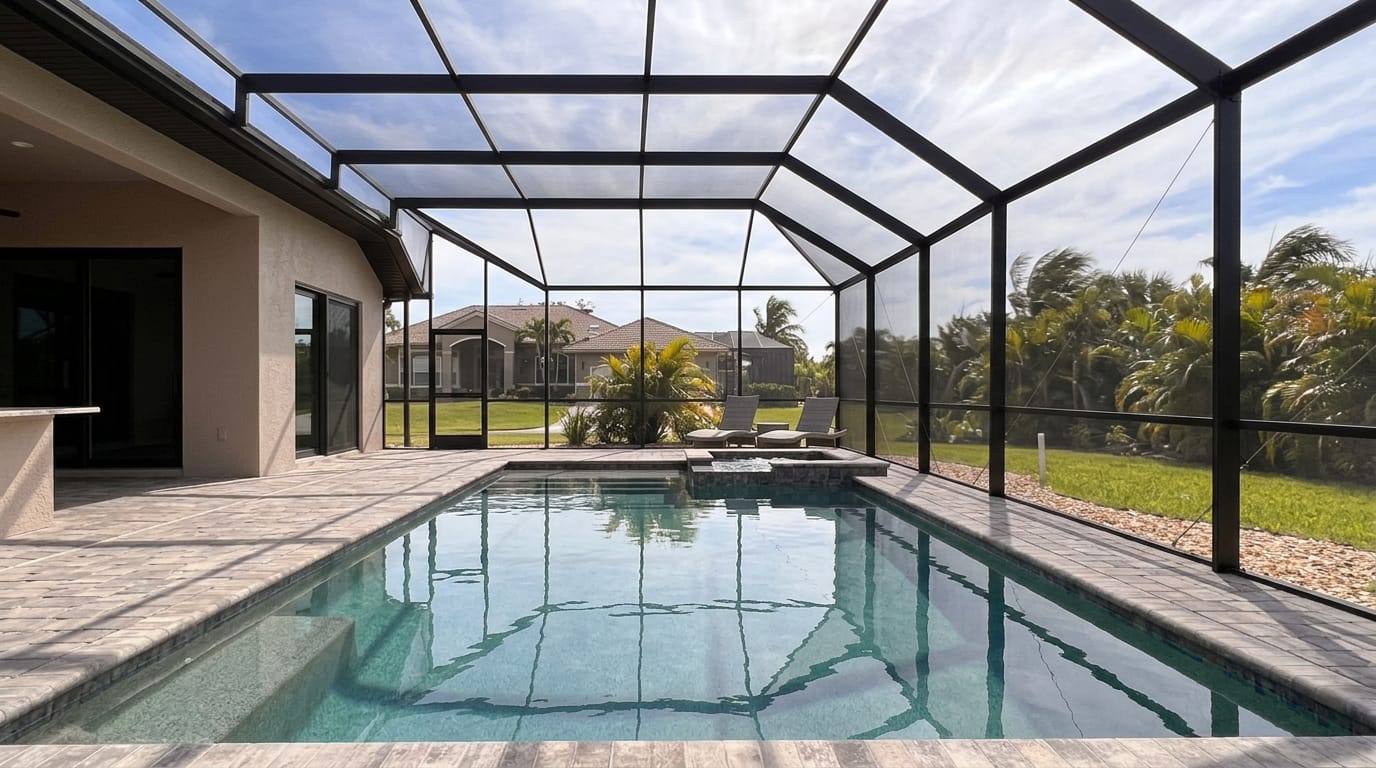
Earlier installation can bring enclosure work into the pool construction schedule rather than adding it after every other task. Once screening is complete, it can also help reduce leaves and insects around the pool area.

The drawback is that later crews must work around the cage. Protection, restricted access or repairs to damaged screens can offset the scheduling benefit.

Waiting until surrounding work is complete

Waiting gives pool crews more open space for equipment and finishing work. It also reduces the chance that a newly installed screen will be torn during construction.

The tradeoff is a longer wait for the screened space. If the enclosure is planned too late, the finished deck may also need changes to provide the required support.

How Permits Fit Into Pool Construction

In Cape Coral, a new residential pool enclosure requires a building permit. Plans go through review and required approvals before the permit is issued. Once work begins, the issued permit and the city-reviewed plans, including revisions, need to remain available at the site.

Cape Coral also lists a prepaid application path for an enclosure or fence tied to a pool under construction. That path is connected to the pool permit rather than a general exemption for enclosures. Our article on Cape Coral pool enclosure permits covers the application process in more detail.

Permit approval and construction readiness are separate steps. An issued permit doesn't replace the foundation work, access planning or inspections required for the project.

Coordinate Both Contractors Before the Deck Is Built

Bring the pool builder and enclosure contractor together while the layout is still being planned. They can align post locations with the deck design, identify supporting footings and schedule work around equipment access.

A shared schedule should identify when foundation work will be ready, what pool tasks remain, and when the enclosure crew can work without blocking them. It should also account for required inspections and the final pool barrier arrangements.

At Back Bay Screens, we plan pool enclosure designs around the property and the way you intend to use the space.

Plan the Enclosure Alongside the Pool

An early cage installation may be practical when its supports are ready and the remaining pool work has a clear path forward. Waiting can make more sense when crews still need wide access or expect work that could damage the enclosure.

The strongest schedule starts with both designs together , before the deck and footing locations are fixed. That gives each contractor a clearer route to the finished pool area.

Contact us for a free estimate to discuss your pool enclosure plans.

By Back Bay Screens • November 20, 2026
A screen enclosure may reduce some wind exposure around a pool, but it won't stop pool evaporation. Its effect depends on how the cage sits on your property, how much air moves through the mesh, and the weather. In Naples, wind, humidity, water temperature, and sun exposure al...
By Back Bay Screens • November 19, 2026
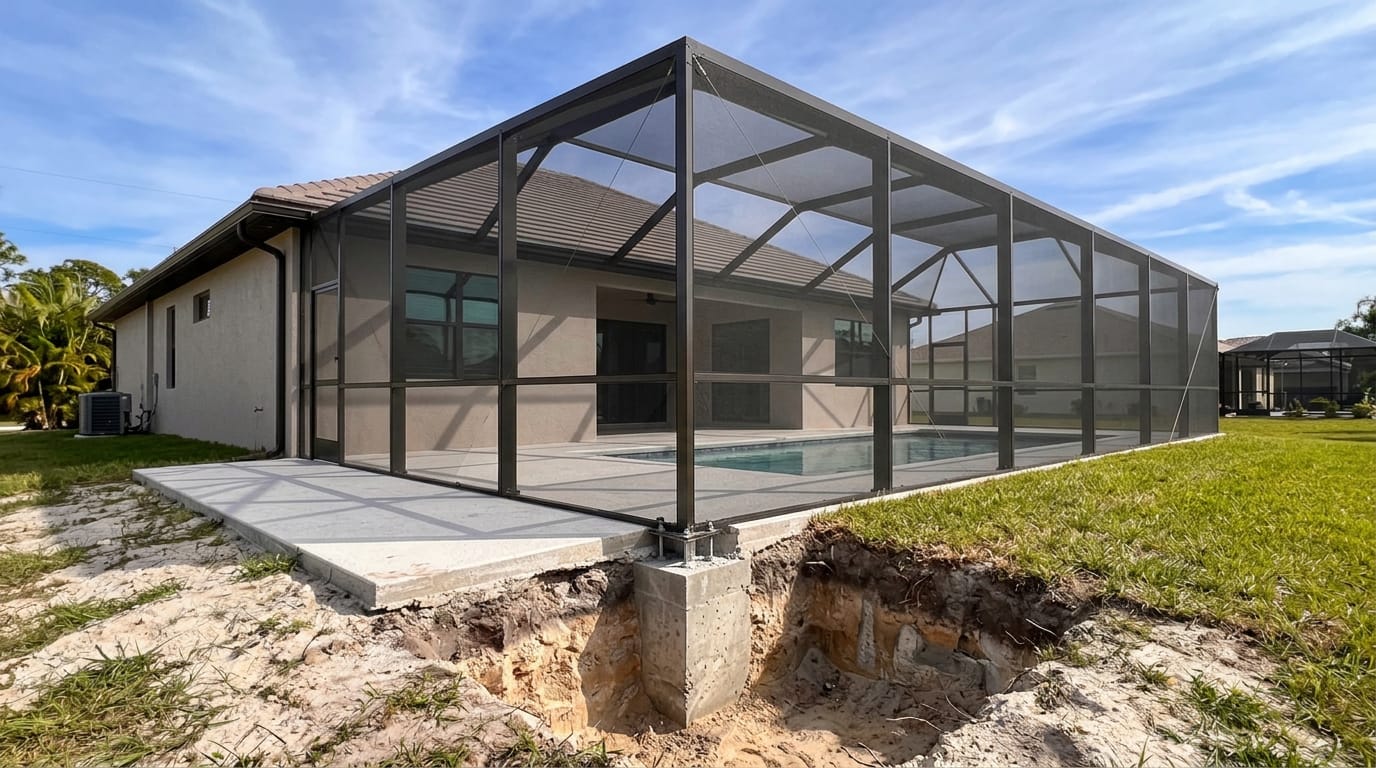
A pool cage foundation typically consists of concrete footings or other designed concrete support, with the enclosure posts anchored to it. On a sandy Southwest Florida lot, the foundation must transfer the cage's weight and wind forces into ground capable of supporting them....
By Back Bay Screens • November 17, 2026
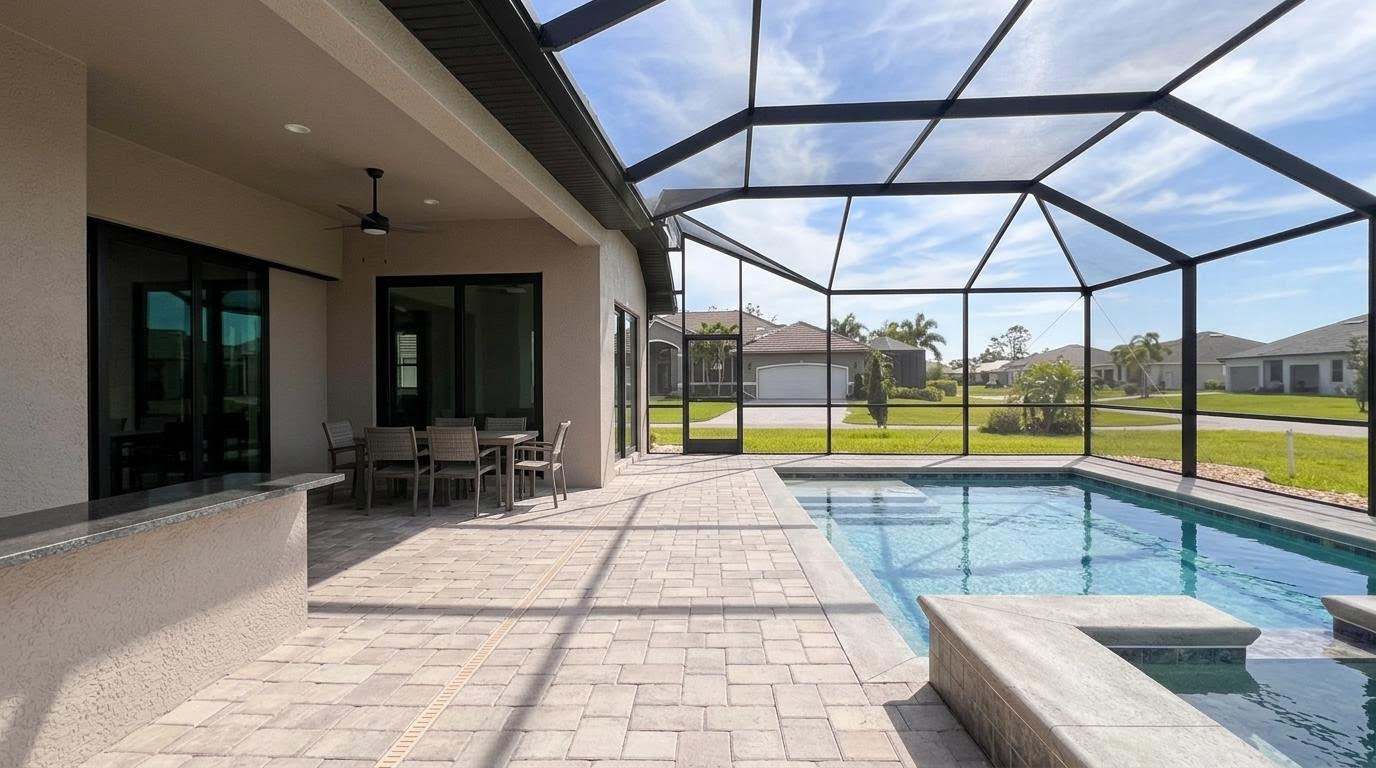
Good pool enclosure door placement connects the routes you use most while leaving room for furniture, walking, and upkeep. The right location depends on how your house, pool deck, and backyard fit together. A door that looks convenient on an empty plan can feel crowded once th...
By Back Bay Screens • November 16, 2026
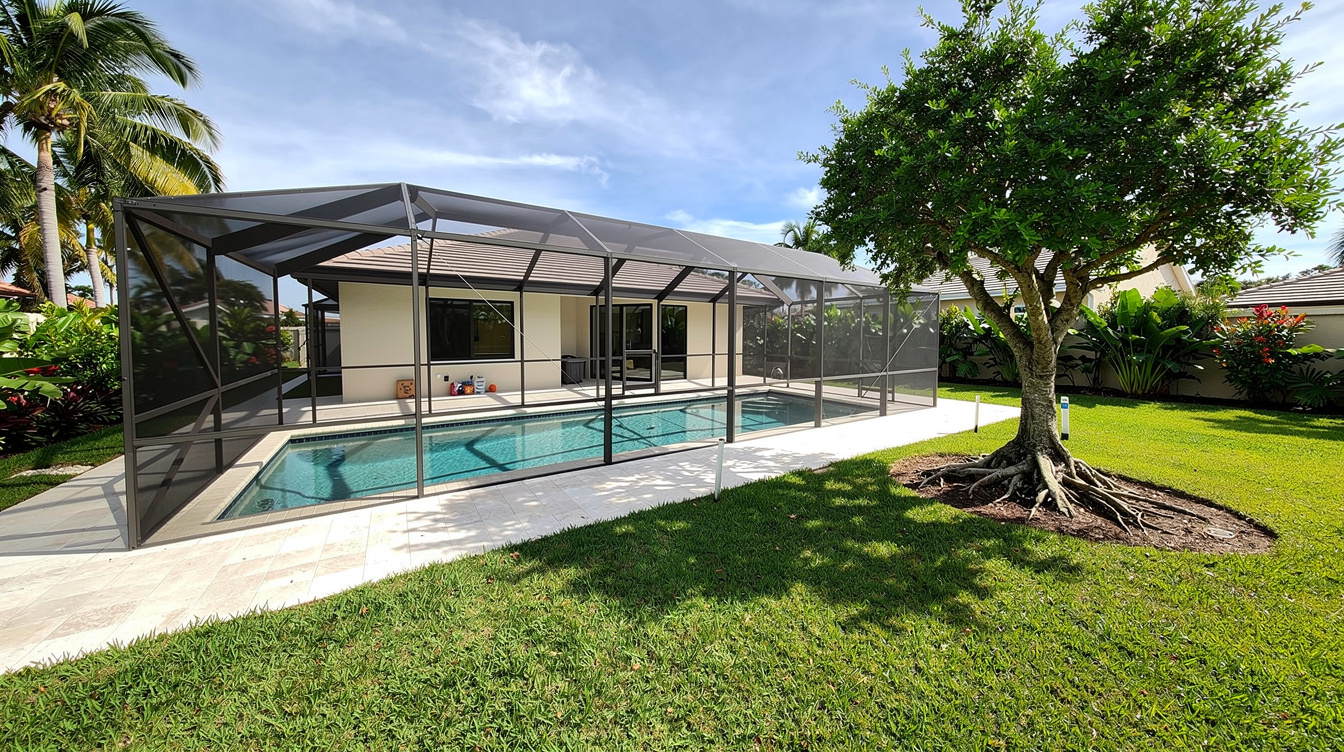
For trees near a pool cage in Naples, start with at least 10 feet of separation and allow more room when the mature canopy or roots call for it. That distance is a landscaping starting point, not a guarantee that the cage will stay clear of branches or roots. The right spot de...