
Can You Add a Ceiling Fan to a Screened Lanai?

Can You Add a Ceiling Fan to a Screened Lanai?

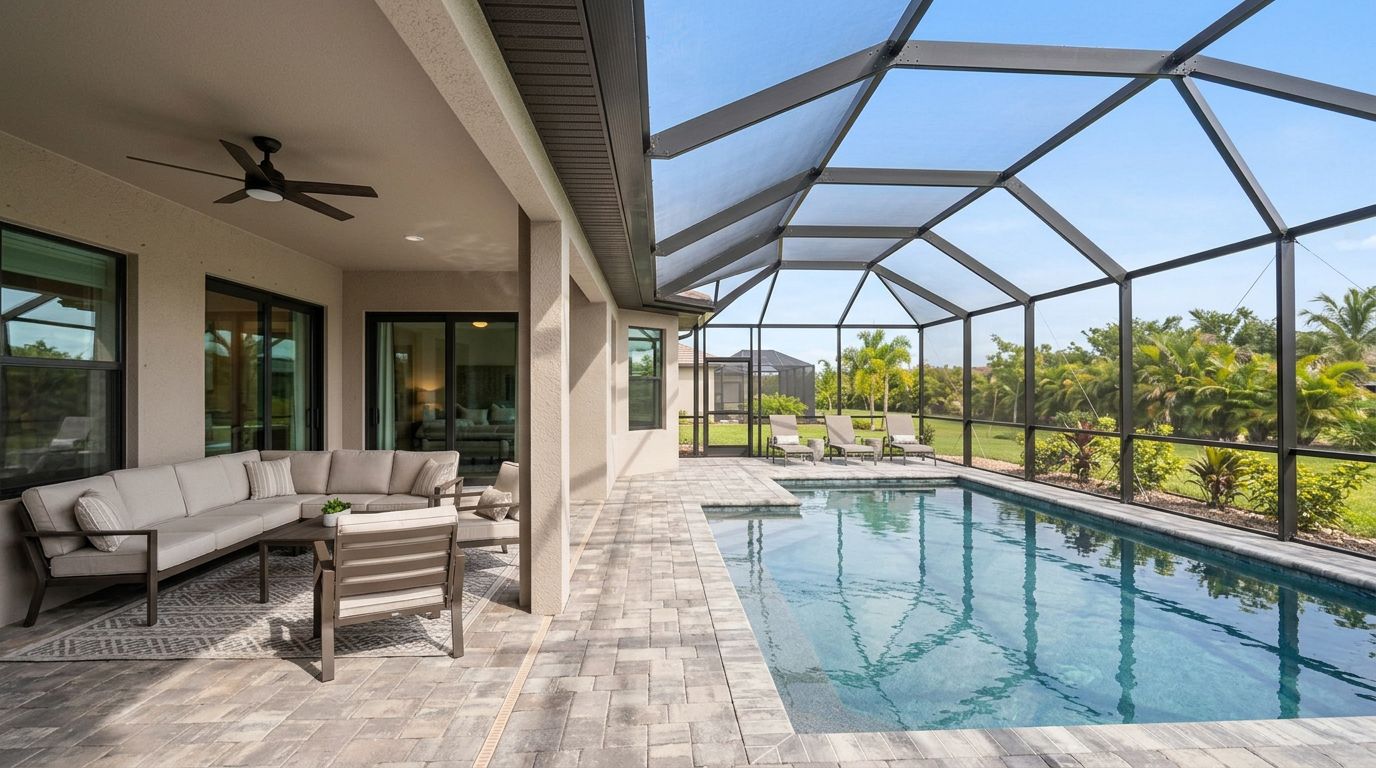
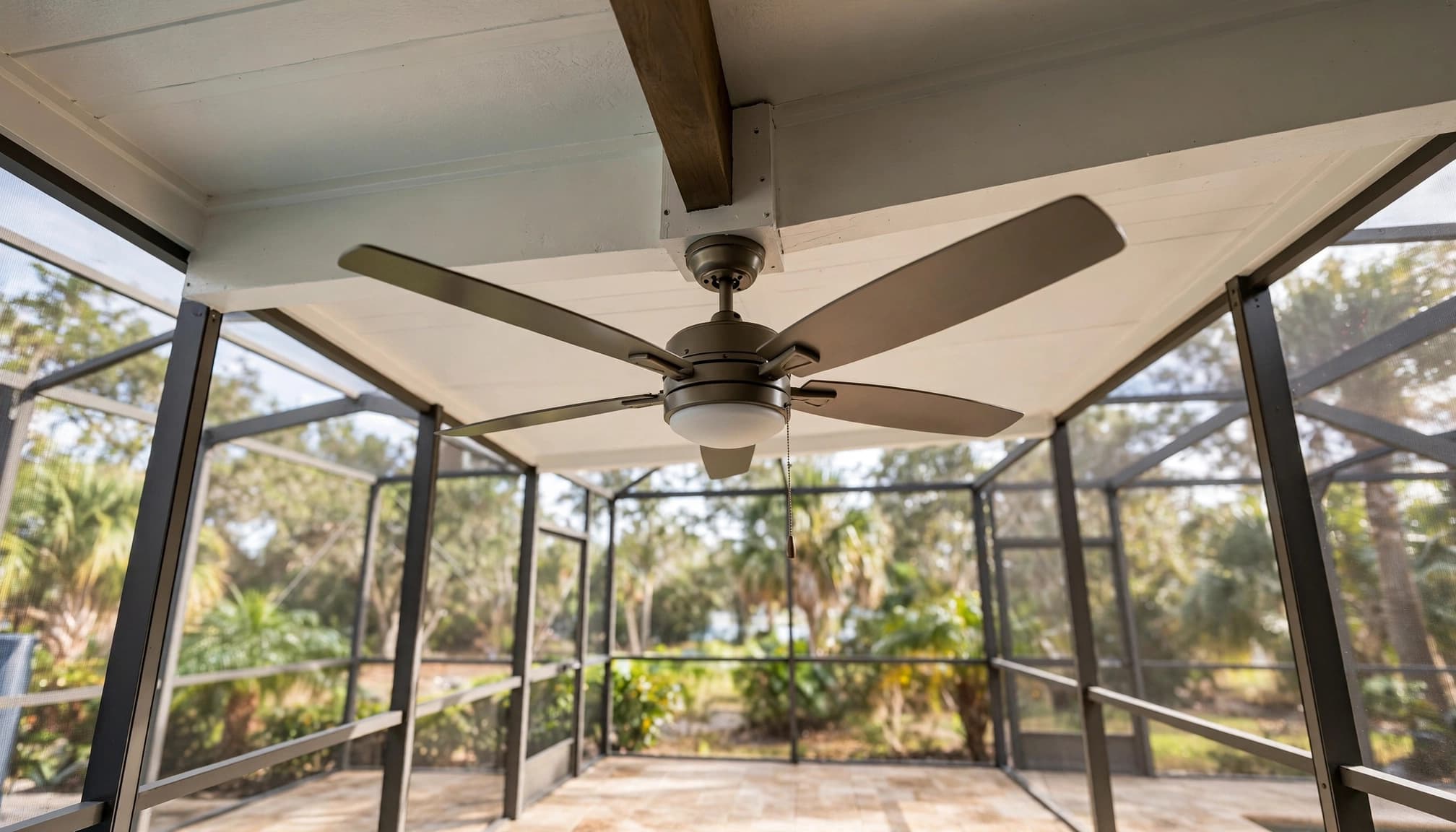
Yes, you can add a ceiling fan to a screened lanai if the location and supporting structure are suitable for the installation. A fan can make a seating area more comfortable by moving air when the breeze is still.

The best time to plan a fan location is before the enclosure layout and finishes are finalized. Start with the roof structure, then consider where you'll sit and how rain reaches the space.

Can Your Lanai Ceiling Accommodate a Fan?

A covered lanai offers a possible location for a fan, but the finished ceiling alone doesn't tell you what lies above it. The enclosure's roof, connection to the house, and existing structural members all affect the plan.

Start With the Existing Structure

Identify the area where you'd like the fan and look at how the lanai is built. A solid house roof, an extended patio roof, and a screen-only enclosure present different planning conditions.

A qualified structural professional can assess the proposed location and the structure above it. That assessment is especially useful when ceiling finishes conceal the framing or when you don't have plans showing what's behind them.

Consider a Different Location or Added Support

If the preferred location doesn't work, another part of the covered lanai may be a better choice. A qualified professional can also determine whether an added support is appropriate for the project.

Bring up that possibility before construction begins or finished surfaces are changed. For a new enclosure, an early conversation gives the design team more opportunity to coordinate the fan position with the rest of the space.

Where Should a Lanai Ceiling Fan Go?

A useful fan location follows the way you use the lanai. It also fits alongside the lighting and the paths people take through the space.

Place Airflow Near Seating

Start with the area where people spend the most time. A fan near a dining table can make outdoor meals more comfortable, while one positioned for lounge seating may suit a lanai used mainly for reading or relaxing.

Mark the furniture layout before choosing a location. Include the space chairs occupy when pulled away from the table, along with the route between the house and the yard.

Coordinate With Lighting and Openings

Look at existing lights and any fixtures you want to add. Their positions affect how comfortably the lanai works after dark, as well as the overall ceiling layout.

Doors, windows, and nearby openings matter too. Planning airflow and lighting together helps you organize the fan around the whole room rather than treating it as a separate feature.

Account for Rain and Sun Exposure

A screened lanai can feel sheltered while still receiving wind-driven rain. Mesh keeps the space open to breezes, but it doesn't provide the same rain protection as a solid wall or glazed panel.

Consider which sides face the weather and how far the roof extends over the intended seating area. A spot near an exposed edge may experience different conditions than one closer to the house.

Sunlight matters for comfort as well. A fan moves air over your skin, but it doesn't lower the air temperature. Shade over a dining table or lounge area can make that air movement more comfortable on a bright afternoon.

Plan Airflow Around the Screen Enclosure

The fan is one part of the lanai's airflow plan. Screens, doors, shade features, and furniture all influence how open the space feels.

Keep openings clear of tall furniture and dense plants when possible. That gives natural breezes a better path through the enclosure when the fan is off.

Screen choice matters too. A finer mesh can help address smaller insects, while other materials may prioritize visibility, privacy, or durability. Talk through those priorities as part of the enclosure design, especially if you want an open view from your main seating area.

Include the Fan in Your Enclosure Plans

If you're building or updating a lanai, mention the proposed fan at the beginning of the project. Share its preferred location along with your furniture layout, lighting ideas, and the areas where rain tends to enter.

At Back Bay Screens, our lanai enclosure planning and installation includes evaluating the existing space and discussing the enclosure layout. We can coordinate the enclosure plan with your priorities and the features of your home.

For an existing lanai, note any visible concerns before discussing changes. Bent framing, uneven panels, or worn door hardware may affect the broader enclosure project, even when your initial goal is improved airflow.

Keep the Fan and Lanai Comfortable to Use

Once the fan is in place, keep the surrounding area easy to maintain. Dust and outdoor debris can collect on blades, while nearby screens may need gentle cleaning to preserve the view.

Turn the fan off and allow the blades to stop before cleaning it. If you notice unusual movement or noise during operation, stop using the fan and have a qualified professional assess it.

Revisit the furniture arrangement if airflow isn't reaching the seats you use most. A small change in where you place a chair may make the space more comfortable without changing the enclosure.

A Fan Starts With a Good Plan

A lanai ceiling fan can make still days more comfortable when its location works with the roof and the way you use the room. Start with a structural assessment , then plan around seating, lighting, and weather exposure.

If you're considering a new enclosure, contact Back Bay Screens for a free, no-obligation estimate and discuss the fan as part of your plans.

By Back Bay Screens • November 20, 2026
A screen enclosure may reduce some wind exposure around a pool, but it won't stop pool evaporation. Its effect depends on how the cage sits on your property, how much air moves through the mesh, and the weather. In Naples, wind, humidity, water temperature, and sun exposure al...
By Back Bay Screens • November 19, 2026
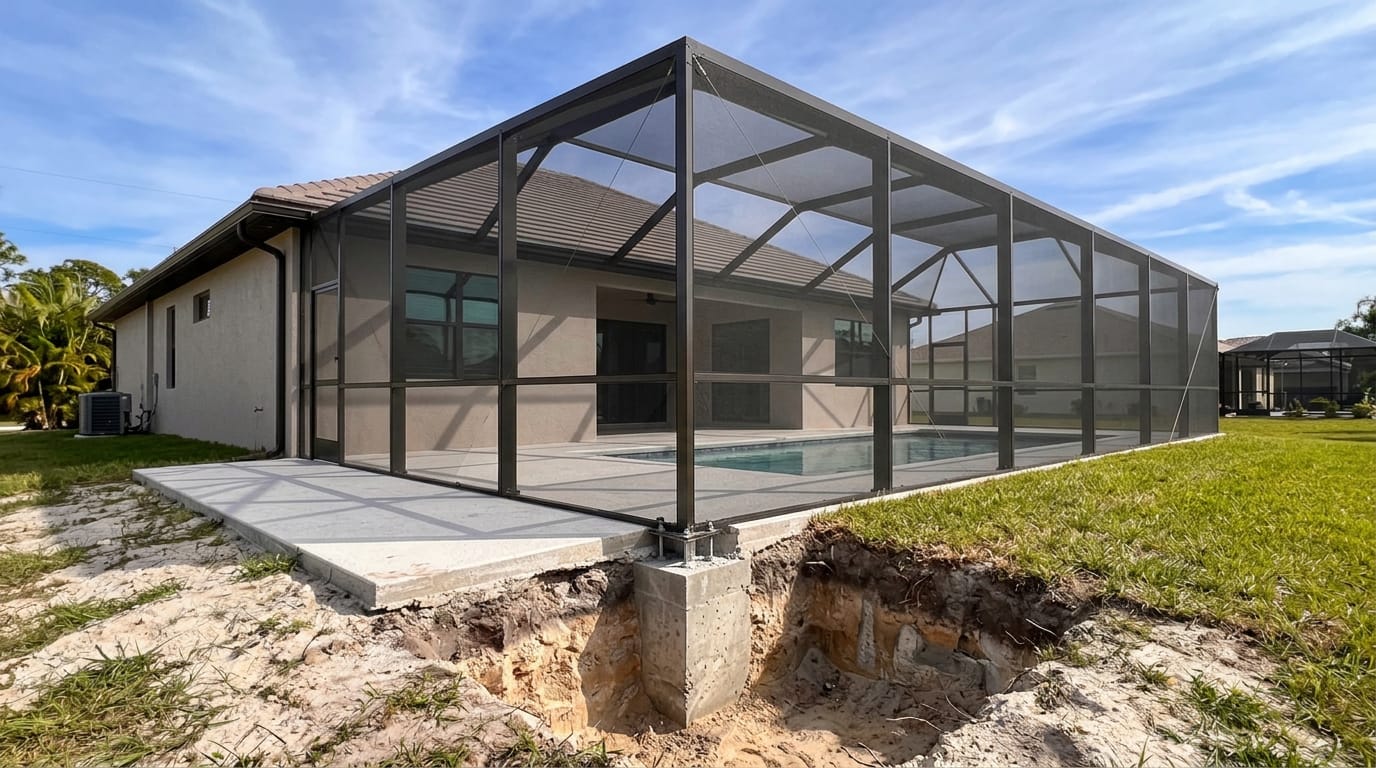
A pool cage foundation typically consists of concrete footings or other designed concrete support, with the enclosure posts anchored to it. On a sandy Southwest Florida lot, the foundation must transfer the cage's weight and wind forces into ground capable of supporting them....
By Back Bay Screens • November 18, 2026
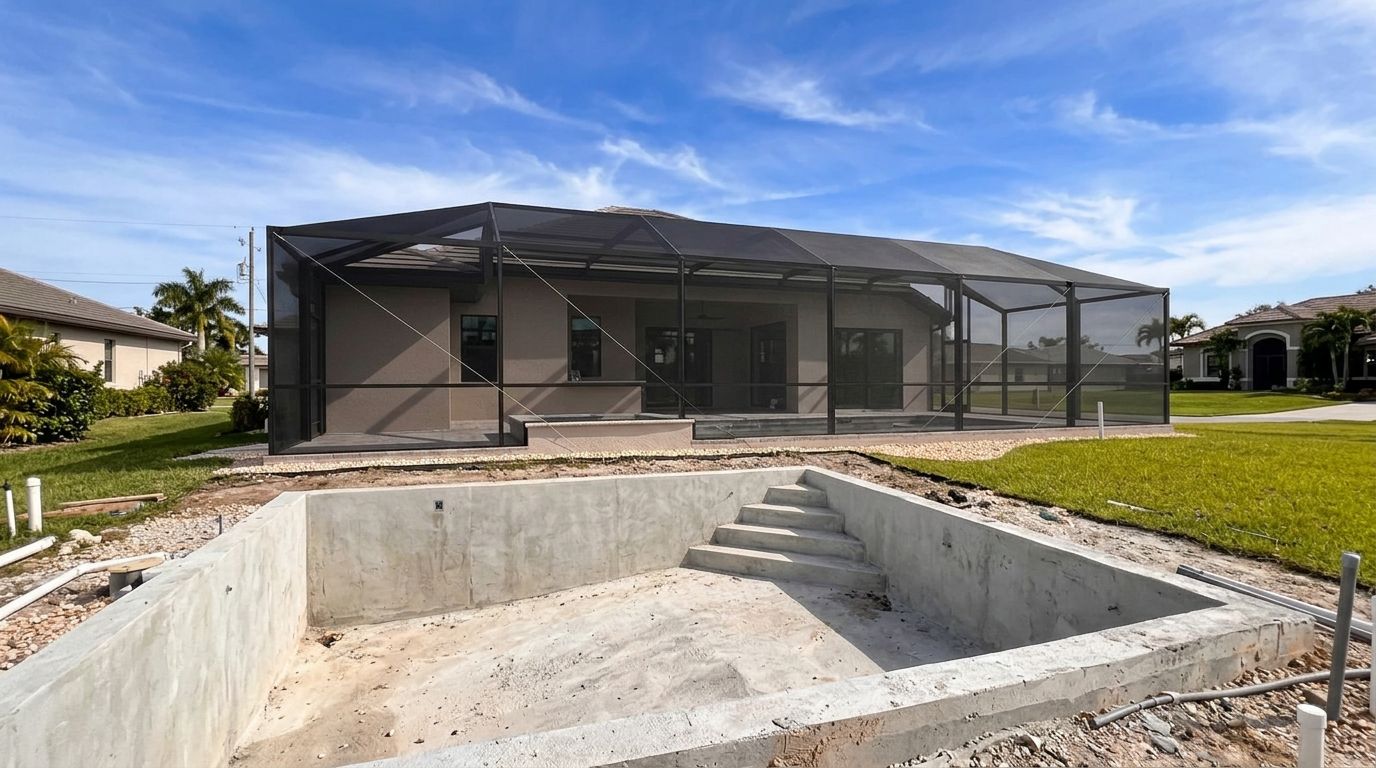
A pool cage can sometimes be installed before the pool is fully complete. The timing depends on whether its approved supports are ready and whether remaining pool work can continue without damaging or obstructing the enclosure. Pool cage installation may fit into the schedule...
By Back Bay Screens • November 17, 2026
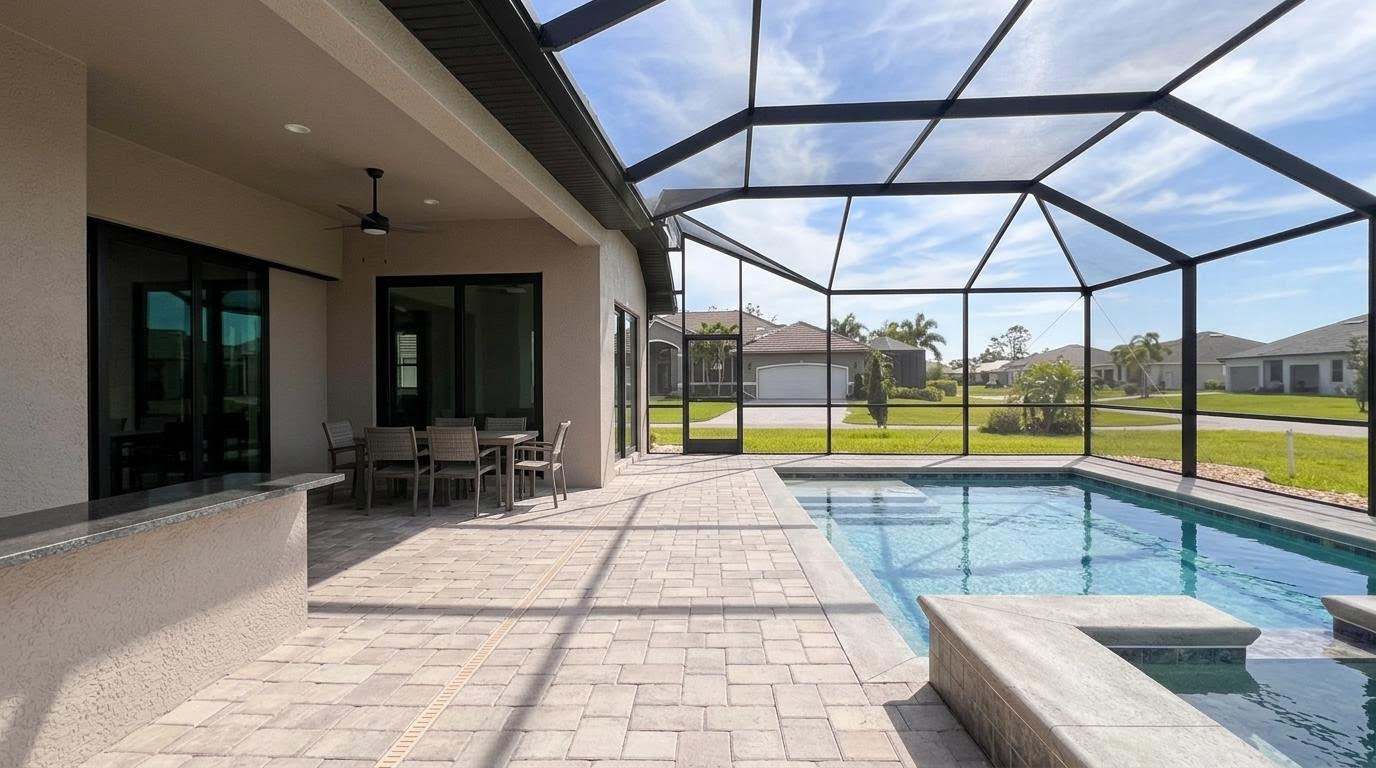
Good pool enclosure door placement connects the routes you use most while leaving room for furniture, walking, and upkeep. The right location depends on how your house, pool deck, and backyard fit together. A door that looks convenient on an empty plan can feel crowded once th...