
Where Should Rainwater Drain Around a Screen Enclosure?

Where Should Rainwater Drain Around a Screen Enclosure?

Rainwater should drain away from your screen enclosure, pool deck, and home's foundation toward a suitable outlet or drainage area. It shouldn't collect against the frame or flow back toward the house.

Good drainage planning matters especially during Southwest Florida's heavy rain. The right path depends on your yard's slope, rooflines, and pool deck layout, so start by looking at how water moves across the entire space.

How Screen Enclosure Drainage Should Work

A screen enclosure sits within your property's larger drainage pattern. Rain can pass through the mesh, run off the home's roof, and travel across the surrounding yard. Each source needs a path that keeps water moving away from structures.

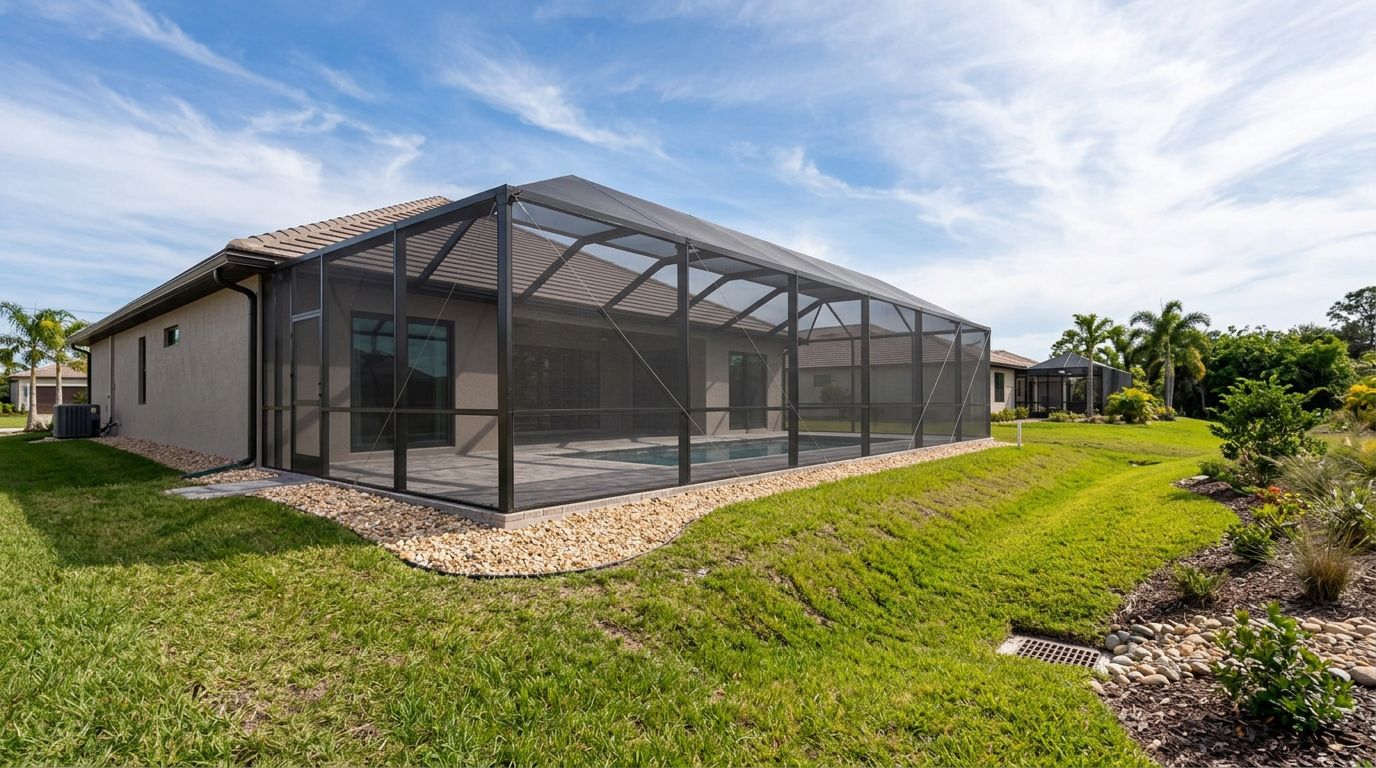
Grade the surrounding ground away

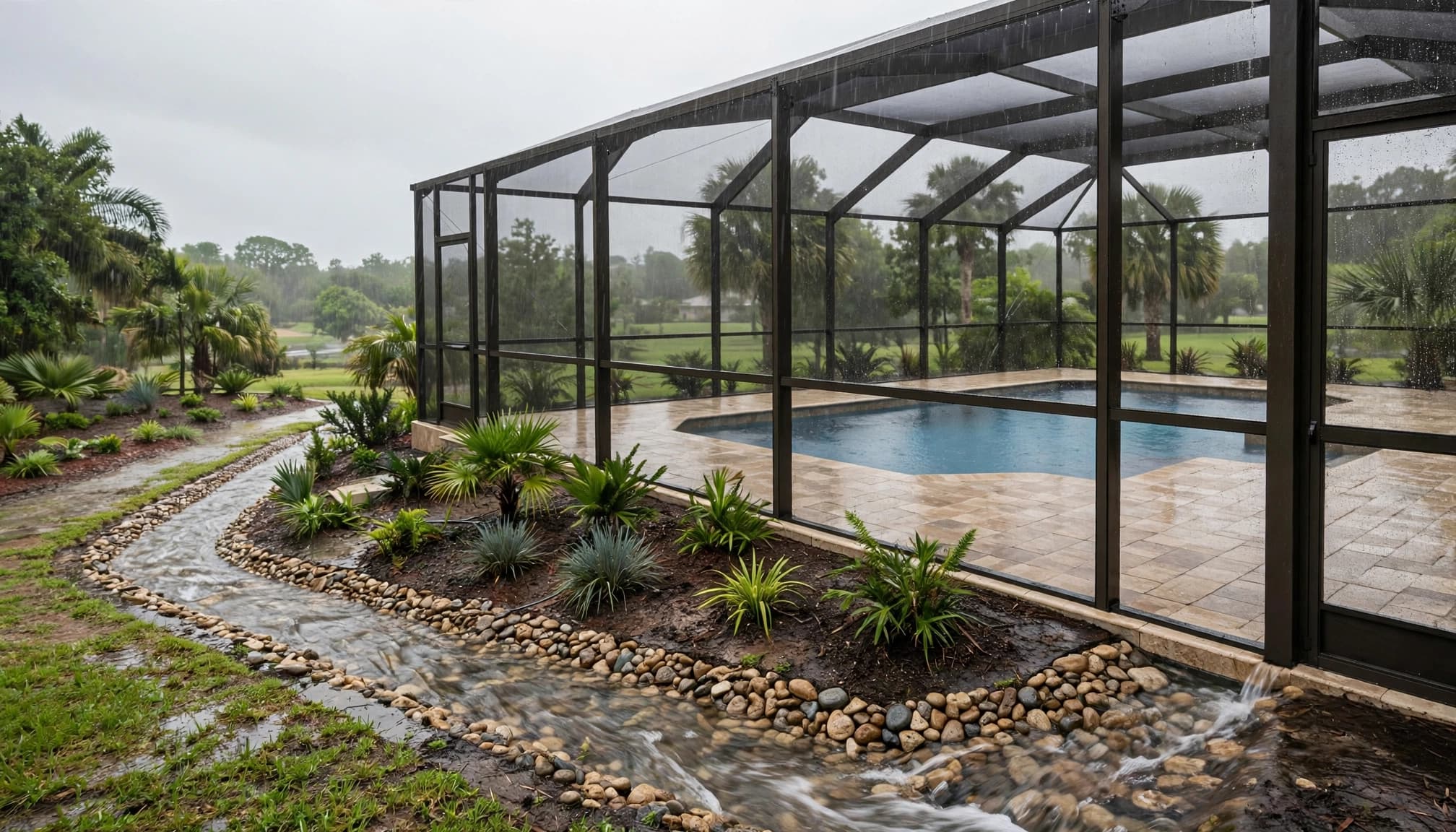
The soil around the enclosure should generally slope away from the house and enclosure rather than form a low area beside them. A shallow swale, which is a broad landscaped channel, can guide runoff along the yard toward a suitable discharge area.

The destination matters as much as the slope. Water shouldn't be redirected onto a neighbor's property or toward another part of your home.

Keep the path clear

Mulch, soil, edging, and plants can interrupt a drainage route if they build up in the wrong place. For example, a raised garden bed beside a pool cage can hold water against the deck instead of letting it move away.

When planning a new enclosure, look at the landscape and existing drainage together. Our approach to Cape Coral screen enclosure design and installation considers the home's structure and site conditions as part of the project.

Route Roof Runoff Away From the House

A roof collects water from a large area and concentrates it at the edges or downspouts. That flow can overwhelm a small patch of soil beside the enclosure, even when the rest of the yard drains well.

Choose a suitable downspout outlet

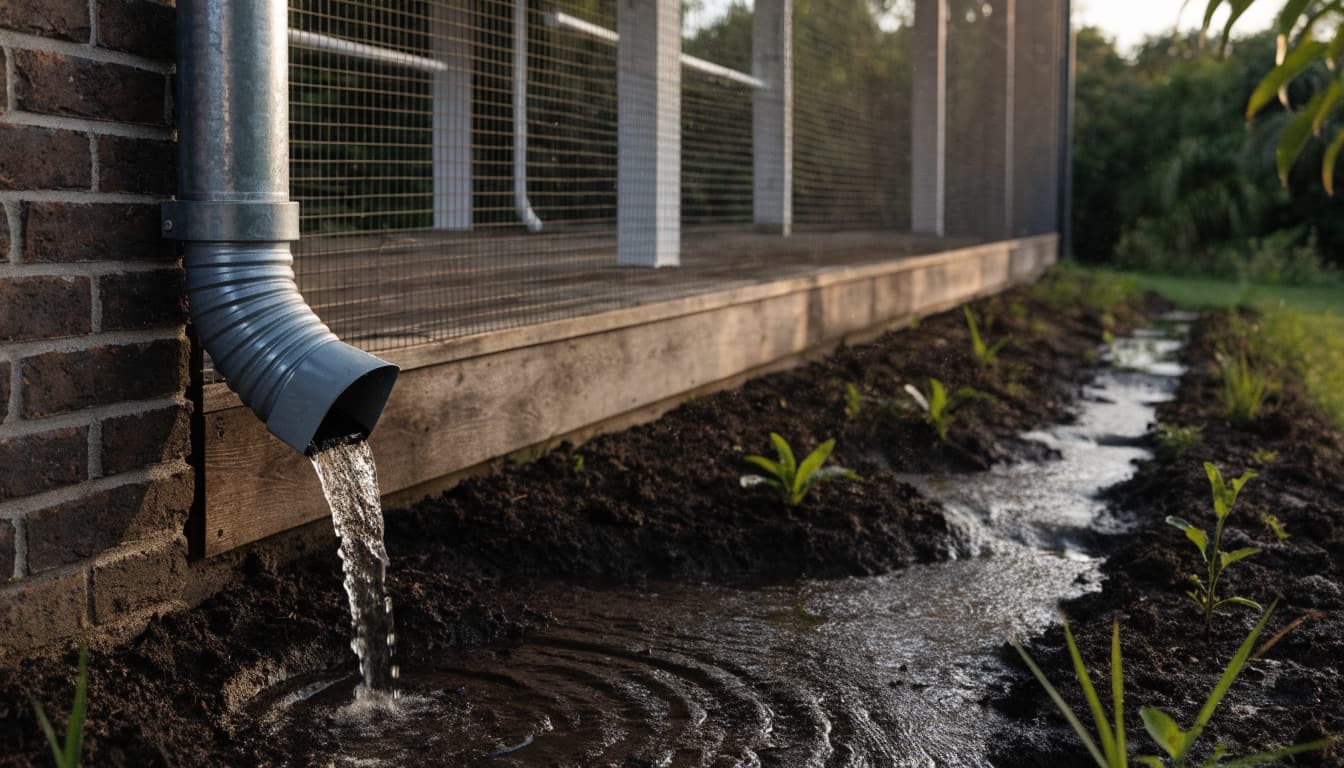
Downspouts should discharge away from the home's foundation, enclosure footings, and pool deck. An extension or buried solid drainpipe can carry water to an appropriate outlet, such as a drainage swale or another suitable area of the property.

The outlet needs a clear path for water to continue away. A pipe that ends in a low spot or beside a wall can move the puddle rather than solve the problem.

Watch where roof edges shed water

Some roof sections may shed rain directly onto the ground or pool deck. During a rainstorm, look for concentrated streams that wash away soil, splash against the enclosure, or send water toward a doorway.

Gutters and properly routed downspouts can help collect that runoff. Keep gutters clear of leaves so water can reach the downspouts instead of spilling over the edges.

Protect the Foundation and Pool Area

Drainage affects both the house and the outdoor space. A solution that moves water away from one should also account for where it goes next.

Keep water away from foundations and supports

Repeated pooling beside the house or enclosure can saturate soil and contribute to erosion. Watch for exposed soil, washed-out areas, or water collecting around the base of the frame.

Avoid piling soil or mulch against enclosure components to hide a low spot. If you notice sinking, substantial cracks, or erosion near a footing, have a qualified professional assess the area before changing the grade.

Direct deck water away from the pool

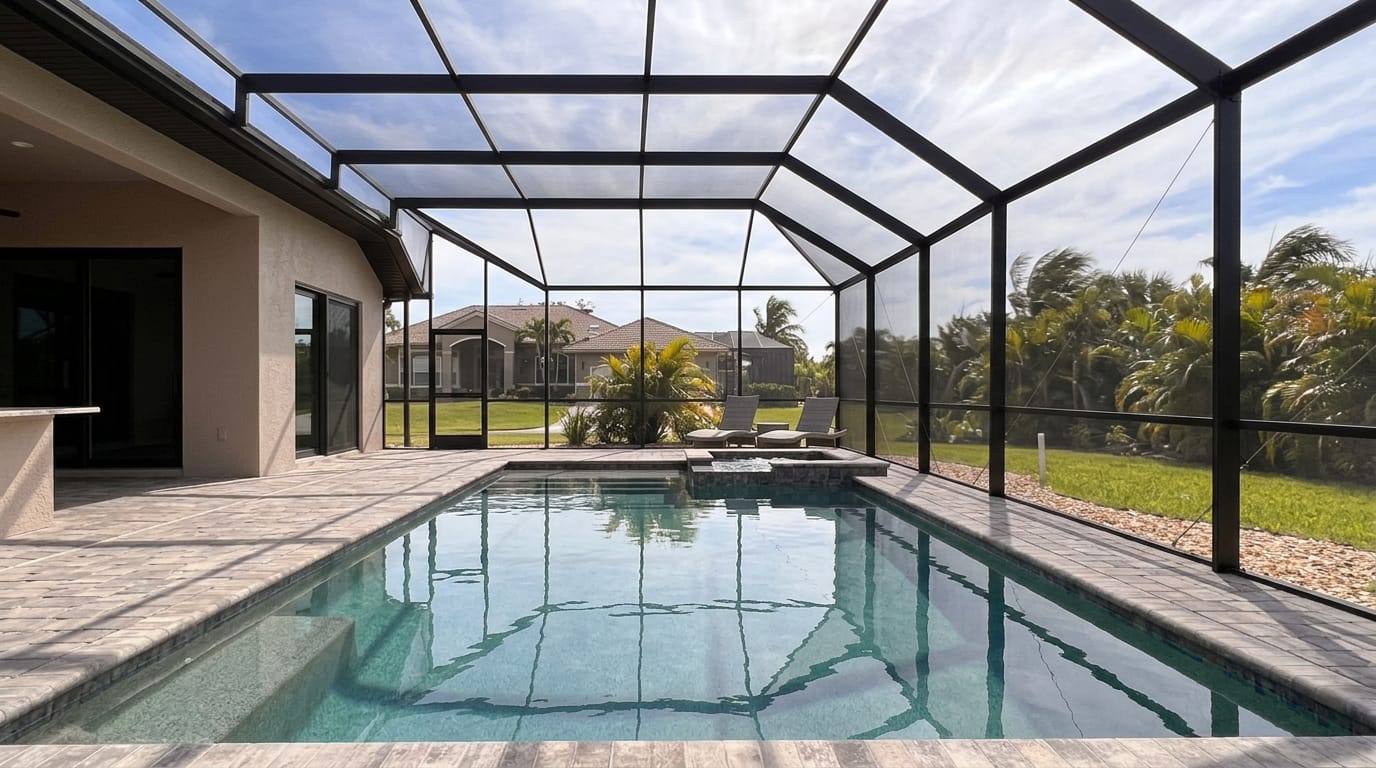
Rain that falls through the screen should flow across the deck toward its intended drainage route, not collect around doors or run into the pool. Existing deck drains and channels need clear inlets and an outlet where water can discharge.

Pool decks, doorways, and enclosure connections all influence the plan. Our pool enclosure design service takes the pool and deck layout into account when planning the space.

Signs Your Enclosure May Have a Drainage Problem

A puddle during a heavy storm doesn't always mean something is wrong. Pay closer attention to water that remains after rain has stopped or returns to the same spot after each storm.

Common warning signs include dampness near a doorway, soil washing out beneath a downspout, or mulch collecting against the frame. You might also see standing water on the deck, staining near the house, or sediment flowing toward the pool.

Look at both the puddle and its source. Water beside the enclosure may have traveled from a roof edge or a higher section of the yard. If a drain inlet is clear but the water still won't leave, the blockage or outlet problem may be farther along the system.

Common Fixes for Poor Drainage

The best fix depends on where the water starts and where it can safely go. Begin with obstructions you can see, then address grading or drainage-system problems as needed.

Clear and redirect water

Remove leaves and loose debris from accessible gutters, downspout outlets, and deck drain grates. Keep landscaping materials out of existing drainage paths, too.

If a downspout empties beside the house or enclosure, an extension may redirect its flow. Place the discharge where water can keep moving away rather than collecting at the end.

Address low spots and blocked routes

Regrading can help when a depression traps water beside the deck. A swale may be useful when runoff needs a defined route across the yard. In some settings, a channel drain or subsurface drainage system may be appropriate.

These changes depend on the property's layout and outlet. A drainage contractor or qualified site professional can assess persistent flooding, erosion, or a deck that appears to drain toward the house. Don't cut enclosure framing or alter its supports to create an outlet.

Plan for Water Before It Becomes a Problem

A practical drainage plan gives rainwater a continuous route away from your home, enclosure, and pool area. Pay particular attention to concentrated roof runoff and places where the landscape blocks water's path.

If you're planning an enclosure, Back Bay Screens can discuss the layout with you. Contact us for a free, no-obligation estimate.

By Back Bay Screens • November 20, 2026
A screen enclosure may reduce some wind exposure around a pool, but it won't stop pool evaporation. Its effect depends on how the cage sits on your property, how much air moves through the mesh, and the weather. In Naples, wind, humidity, water temperature, and sun exposure al...
By Back Bay Screens • November 19, 2026
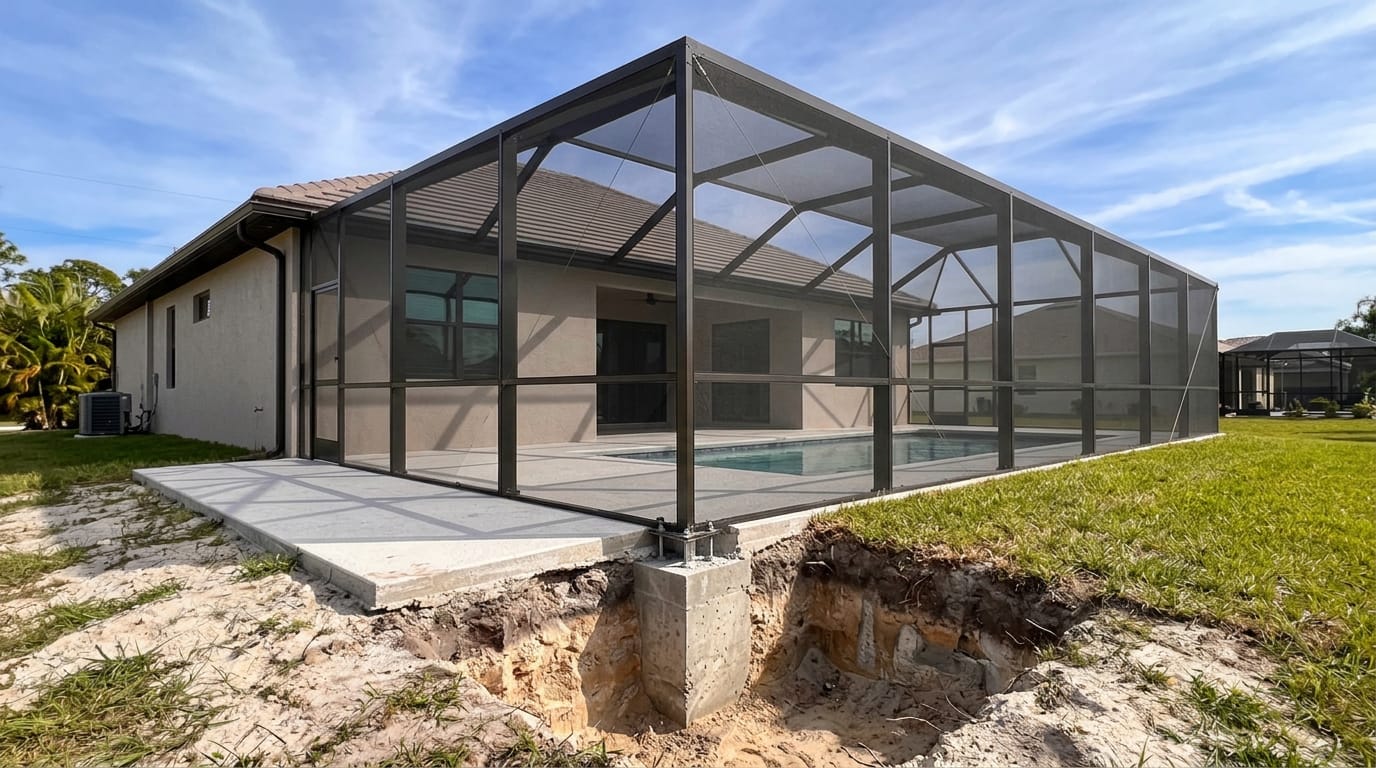
A pool cage foundation typically consists of concrete footings or other designed concrete support, with the enclosure posts anchored to it. On a sandy Southwest Florida lot, the foundation must transfer the cage's weight and wind forces into ground capable of supporting them....
By Back Bay Screens • November 18, 2026
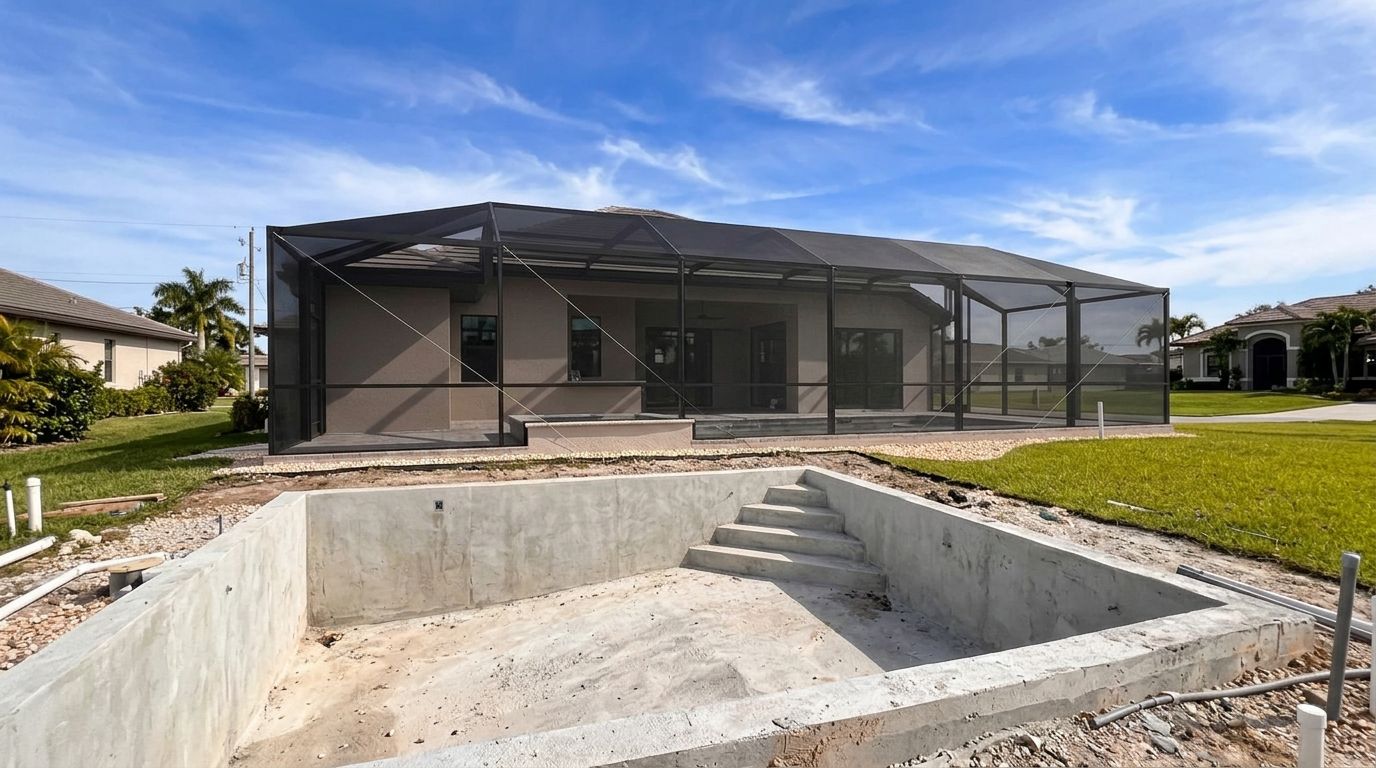
A pool cage can sometimes be installed before the pool is fully complete. The timing depends on whether its approved supports are ready and whether remaining pool work can continue without damaging or obstructing the enclosure. Pool cage installation may fit into the schedule...
By Back Bay Screens • November 17, 2026
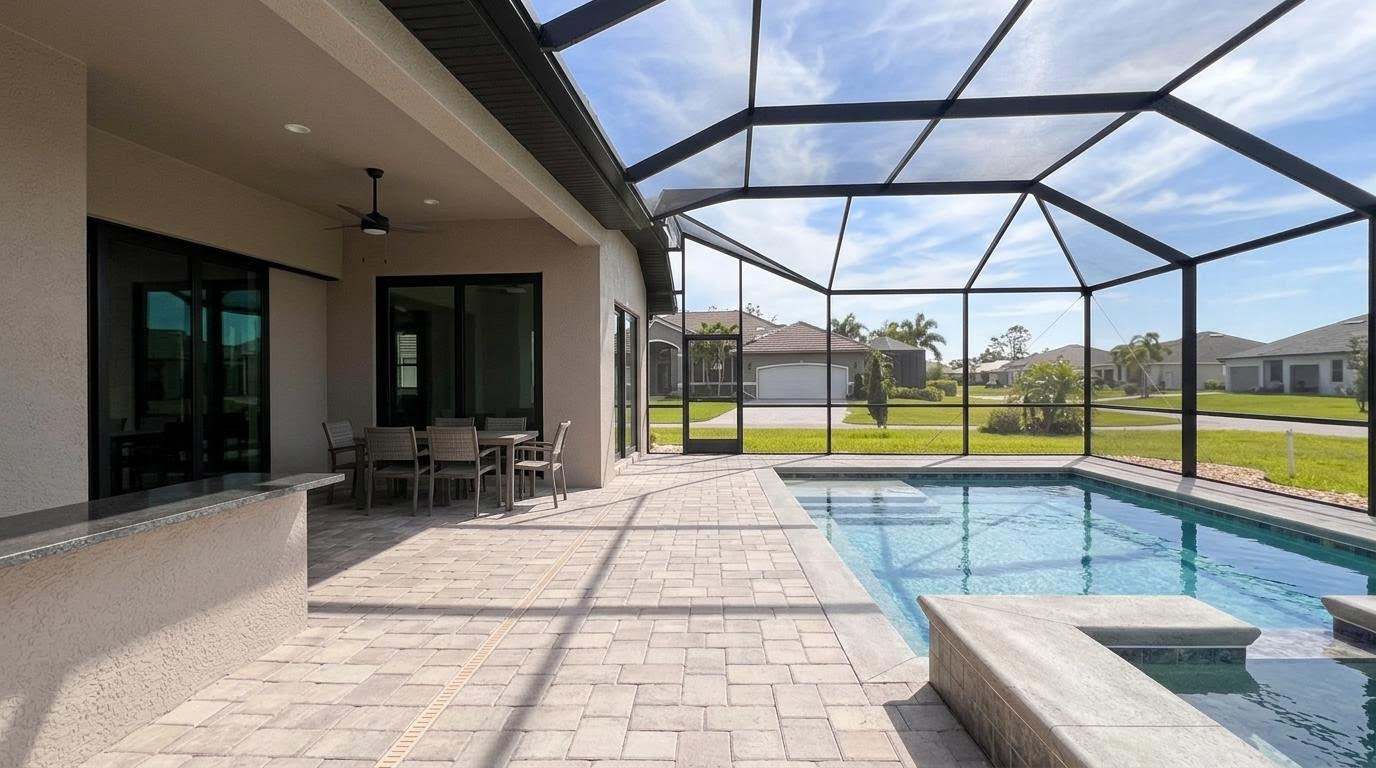
Good pool enclosure door placement connects the routes you use most while leaving room for furniture, walking, and upkeep. The right location depends on how your house, pool deck, and backyard fit together. A door that looks convenient on an empty plan can feel crowded once th...