
Does a Pool Screen Enclosure Block UV Rays?

Does a Pool Screen Enclosure Block UV Rays?

Yes, a pool screen enclosure can reduce some UV exposure by filtering sunlight, but UV rays still reach the area underneath. You can get sunburned while swimming or relaxing inside one.

The amount of protection varies with the screen material and the way sunlight enters your enclosure. Understanding those differences can help you choose a mesh and plan a more comfortable pool area.

How pool screen mesh reduces UV exposure

Screen mesh creates a barrier between you and the sun. Its strands intercept some sunlight, while light also passes through the openings. The material itself can affect how much UV radiation reaches the space below.

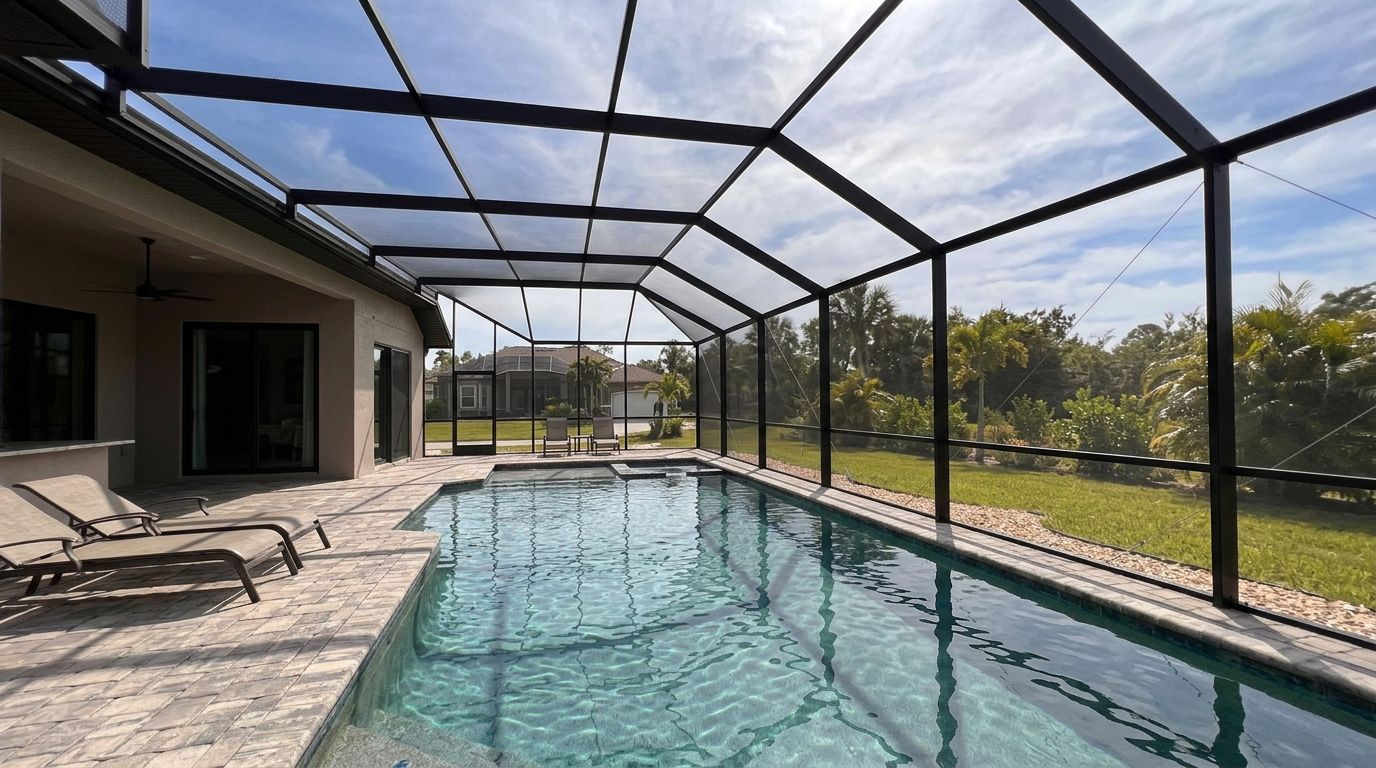
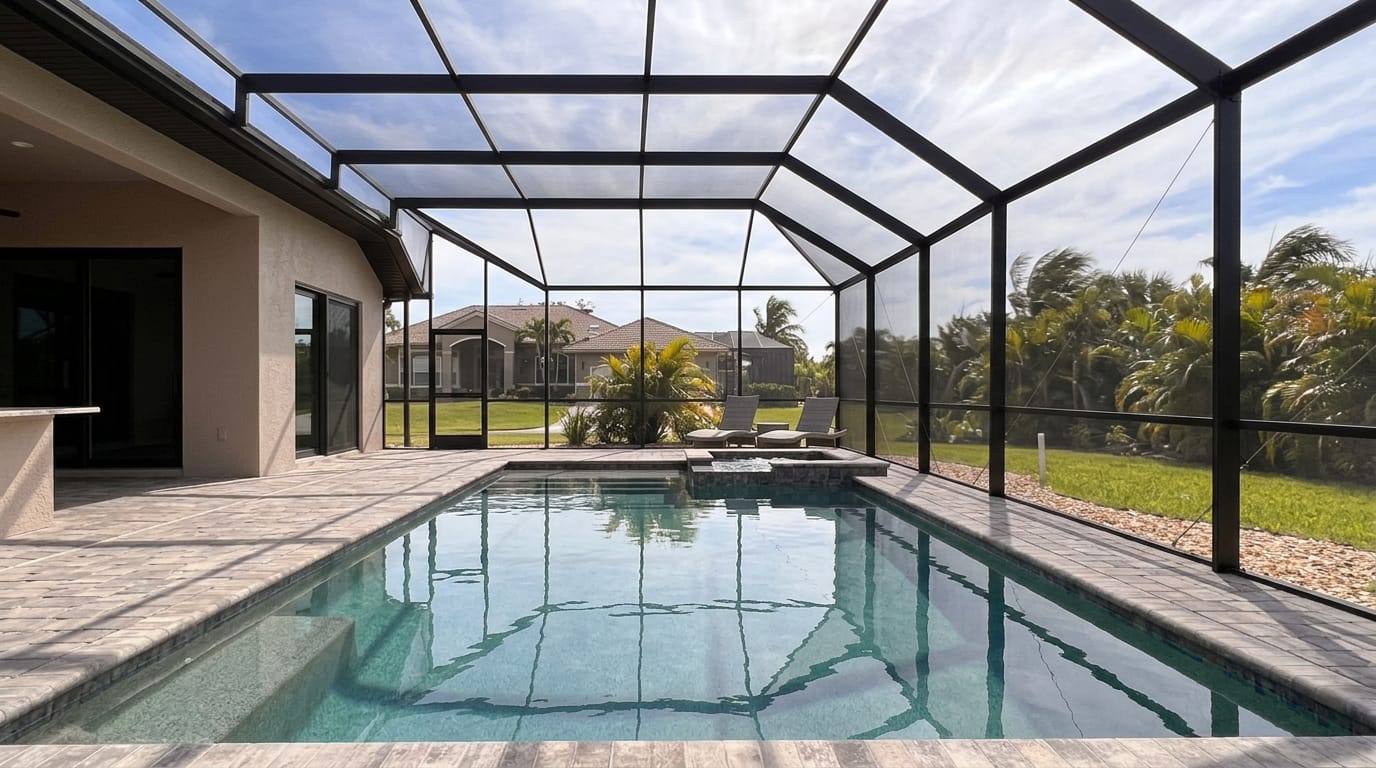
The enclosure's layout matters, too. A screened roof filters sunlight coming from above, while side panels filter light entering at an angle. As the sun moves, the amount of direct light reaching a chair or section of the pool can change.

UV exposure also comes from light scattered by the sky and reflected off surfaces, including water. That means a spot that feels shaded can still expose your skin to UV rays. For that reason, treat the enclosure as one part of your sun protection plan.

Why screen material and mesh density matter

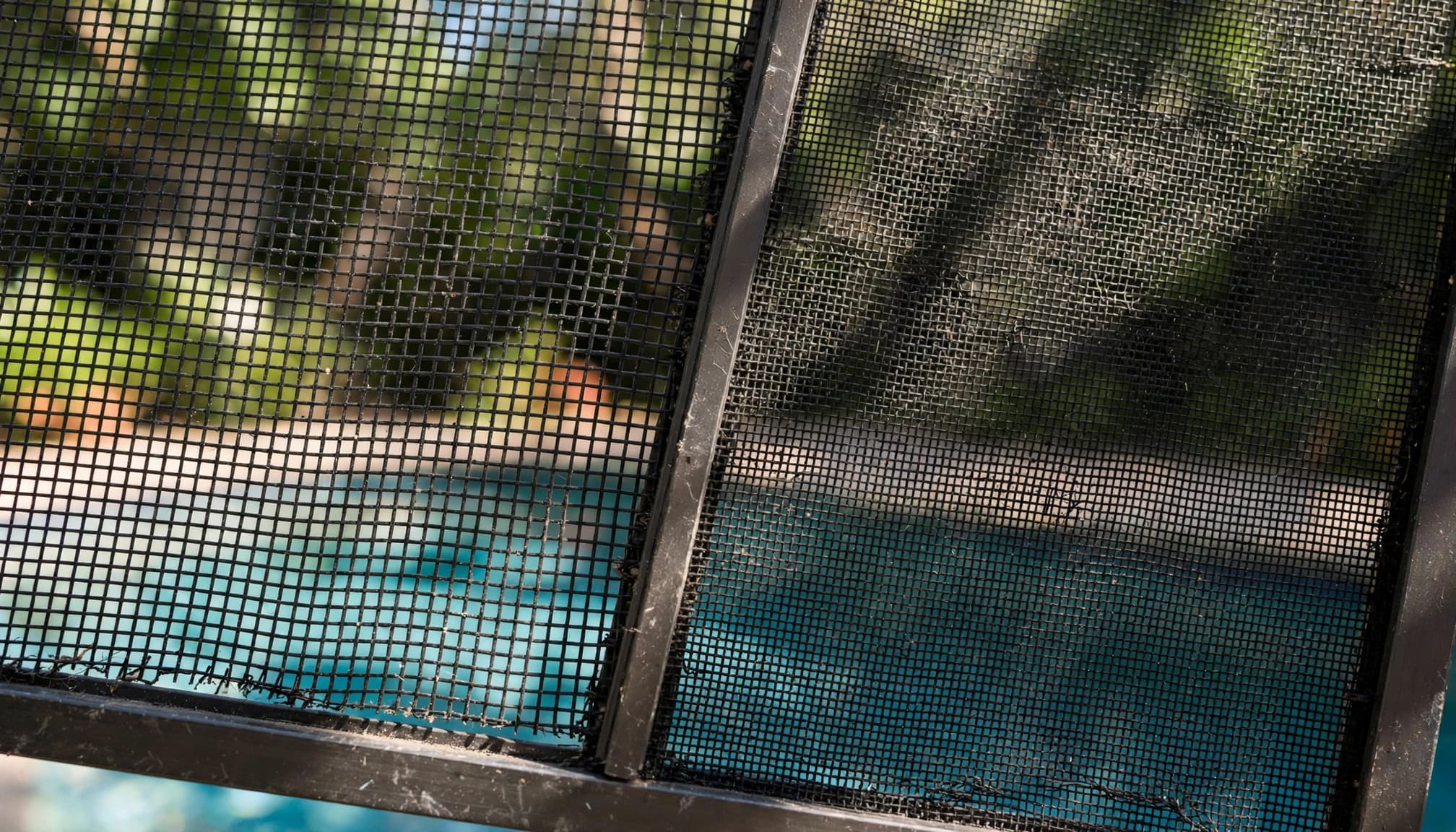
Mesh density describes the weave of a screen. Material, strand thickness, coatings, and the size of the openings can all affect how sunlight passes through it. Those details vary by product, so a single UV protection figure can't describe every pool enclosure.

Standard and fine insect screens

Standard insect screening is chosen to keep bugs out while allowing airflow and a view of the yard. Finer mesh targets smaller insects. For example, Phifer's No-See-Um Screening has a 20-by-20 mesh designed to keep out most smaller flying insects.

Insect protection and sun protection are different considerations. A screen's mesh count helps describe its weave, but that number alone doesn't tell you how much UV exposure you'll receive beneath it.

Solar and pet-resistant screens

Solar-screen products are designed to reduce incoming sunlight and add shade. They can also change the brightness of the enclosure and the view through its panels.

Pet-resistant mesh addresses wear from claws and scratching. Phifer's PetScreen, for example, is designed to resist damage from most dogs and cats. If shade and durability both matter, consider each feature as part of your screen choice rather than assuming one provides the other.

Our guide to choosing pool cage screen mesh explains how screening can affect the views you enjoy from your pool and patio.

Sun exposure while swimming or relaxing

You can spend a long time in a screened pool without noticing how much sun you're getting. Water can make your skin feel cooler, and a breeze through the enclosure can make a sunny afternoon more comfortable.

Sunlight may also reach different parts of your body as you move around. Your shoulders and face can receive exposure while you're in the water, while your legs and feet may be exposed when you're resting on a lounge chair.

A screened enclosure helps keep insects and larger debris out of the pool area, which can make it easier to enjoy time outside. Keep sun protection in your routine even when the space feels comfortable or the sky looks cloudy.

How to protect your skin under a pool screen

The most dependable approach combines sunscreen, protective clothing, and a place to get out of direct sun. Each layer helps you manage exposure during a long afternoon outdoors.

Use sunscreen before you swim

Choose a broad-spectrum, water-resistant sunscreen with an SPF of 30 or higher. Broad-spectrum sunscreen protects against both UVA and UVB rays when used as directed.

Apply it to exposed skin before going outside. Reapply at least every two hours and after swimming, sweating, or towel drying, following the product's directions. Water-resistant doesn't mean waterproof, so sunscreen needs attention even when you're staying in the pool.

Add shade where you spend time

A covered lanai, roof overhang, or suitable poolside umbrella can create a place to take a break from direct sun. Position seating in that area and remember that its shade will shift during the day.

A wide-brimmed hat and sunglasses can help when you're lounging. For swimming, consider a long-sleeved swim shirt or rash guard with a UPF rating. Sun protection remains useful in the shade because reflected and scattered UV can still reach you.

Choosing an enclosure for your pool area

Start with the way you use the space. If you read beside the pool, shade over your favorite chair may matter more than changing every panel. If a clear view of the garden is your priority, consider how a screen looks from your usual seats as well as how much light it lets in.

For a new enclosure, the roof shape, panel layout, and nearby covered areas all influence the finished space. Our Cape Coral screen enclosure design and installation guide covers other factors to consider during planning.

We offer pool screen enclosure services in Cape Coral and can discuss your goals for shade, visibility, and everyday comfort as part of a free, no-obligation estimate.

Plan for shade and sun protection

A pool screen can filter some sunlight and make your outdoor space more comfortable. UV rays still reach the pool and deck, so plan for sun exposure whenever you spend time outside.

The right mesh depends on more than shade alone. Pair your screen choice with sunscreen and a comfortable shaded area to make your pool space work better for the way you use it.

By Back Bay Screens • November 20, 2026
A screen enclosure may reduce some wind exposure around a pool, but it won't stop pool evaporation. Its effect depends on how the cage sits on your property, how much air moves through the mesh, and the weather. In Naples, wind, humidity, water temperature, and sun exposure al...
By Back Bay Screens • November 19, 2026
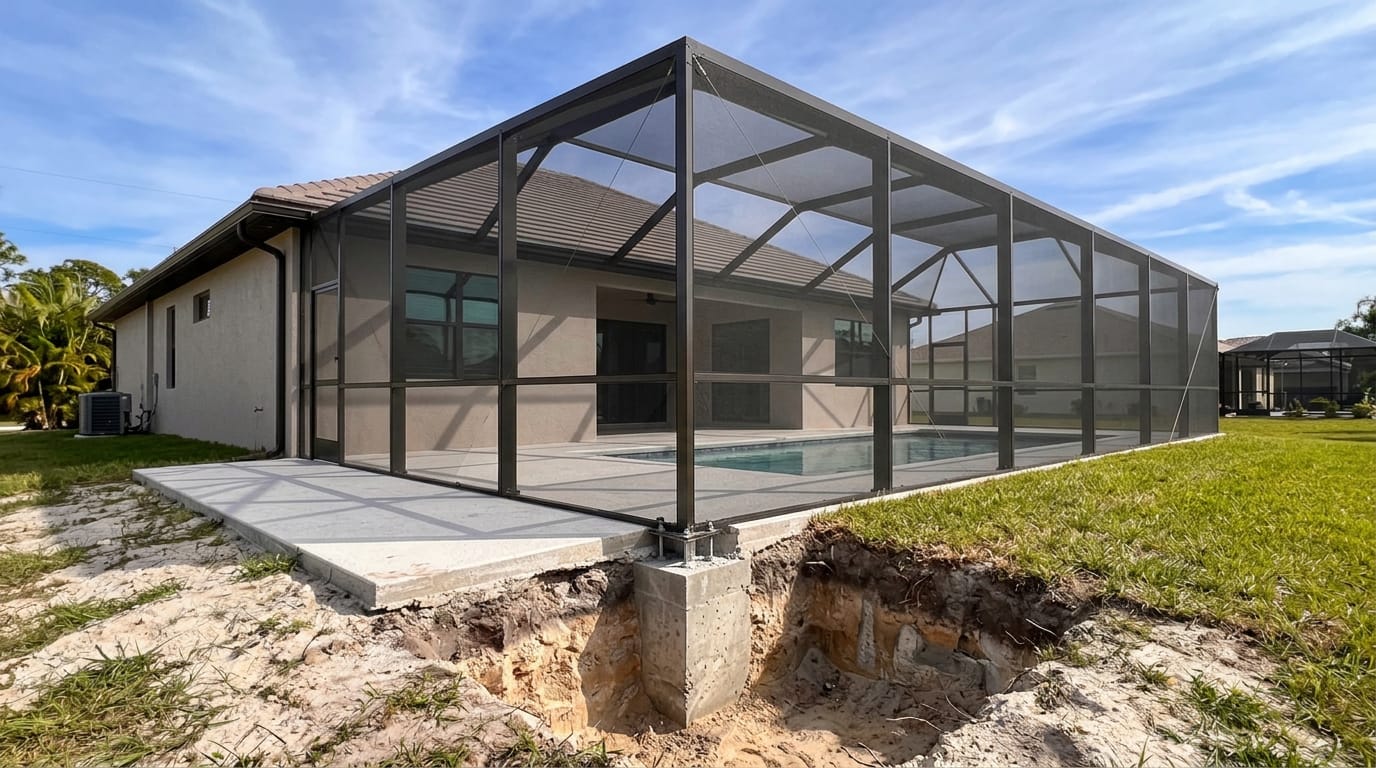
A pool cage foundation typically consists of concrete footings or other designed concrete support, with the enclosure posts anchored to it. On a sandy Southwest Florida lot, the foundation must transfer the cage's weight and wind forces into ground capable of supporting them....
By Back Bay Screens • November 18, 2026
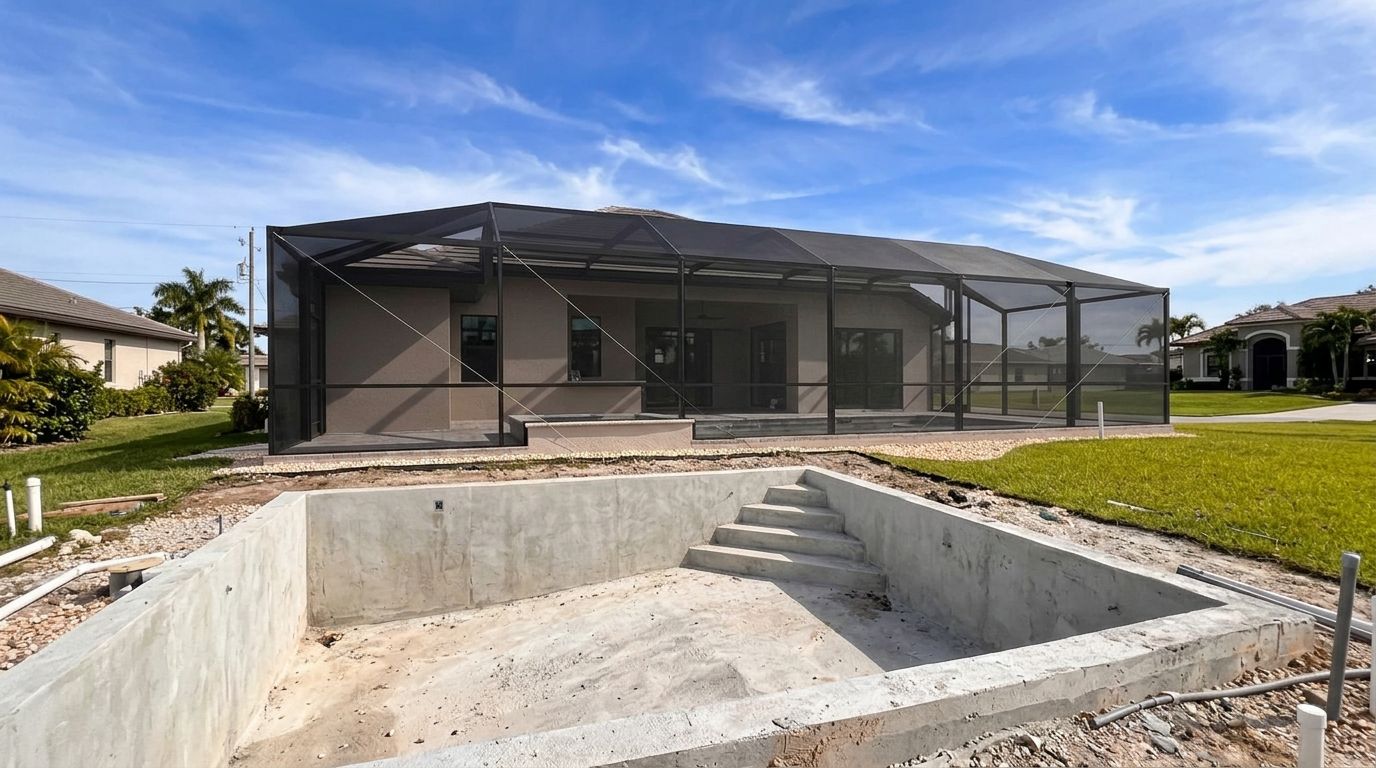
A pool cage can sometimes be installed before the pool is fully complete. The timing depends on whether its approved supports are ready and whether remaining pool work can continue without damaging or obstructing the enclosure. Pool cage installation may fit into the schedule...
By Back Bay Screens • November 17, 2026
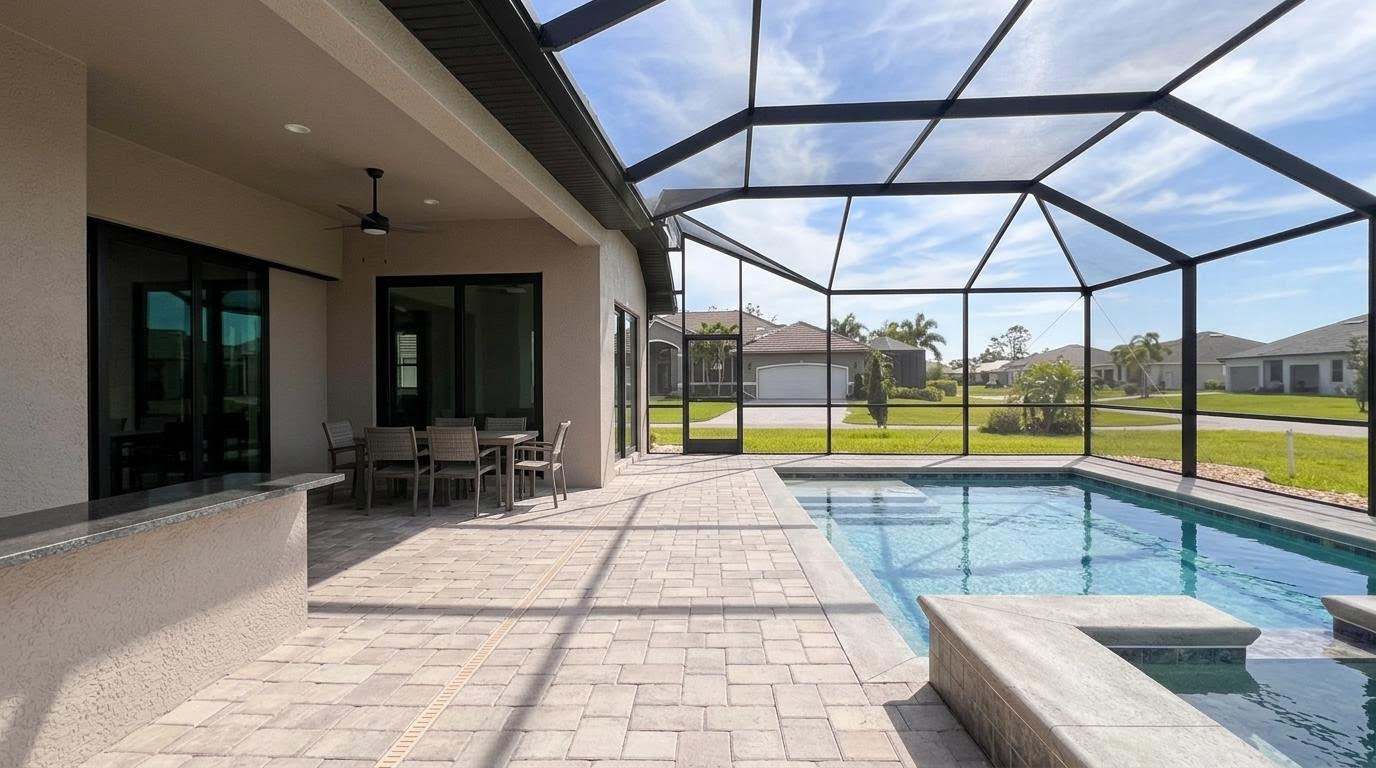
Good pool enclosure door placement connects the routes you use most while leaving room for furniture, walking, and upkeep. The right location depends on how your house, pool deck, and backyard fit together. A door that looks convenient on an empty plan can feel crowded once th...