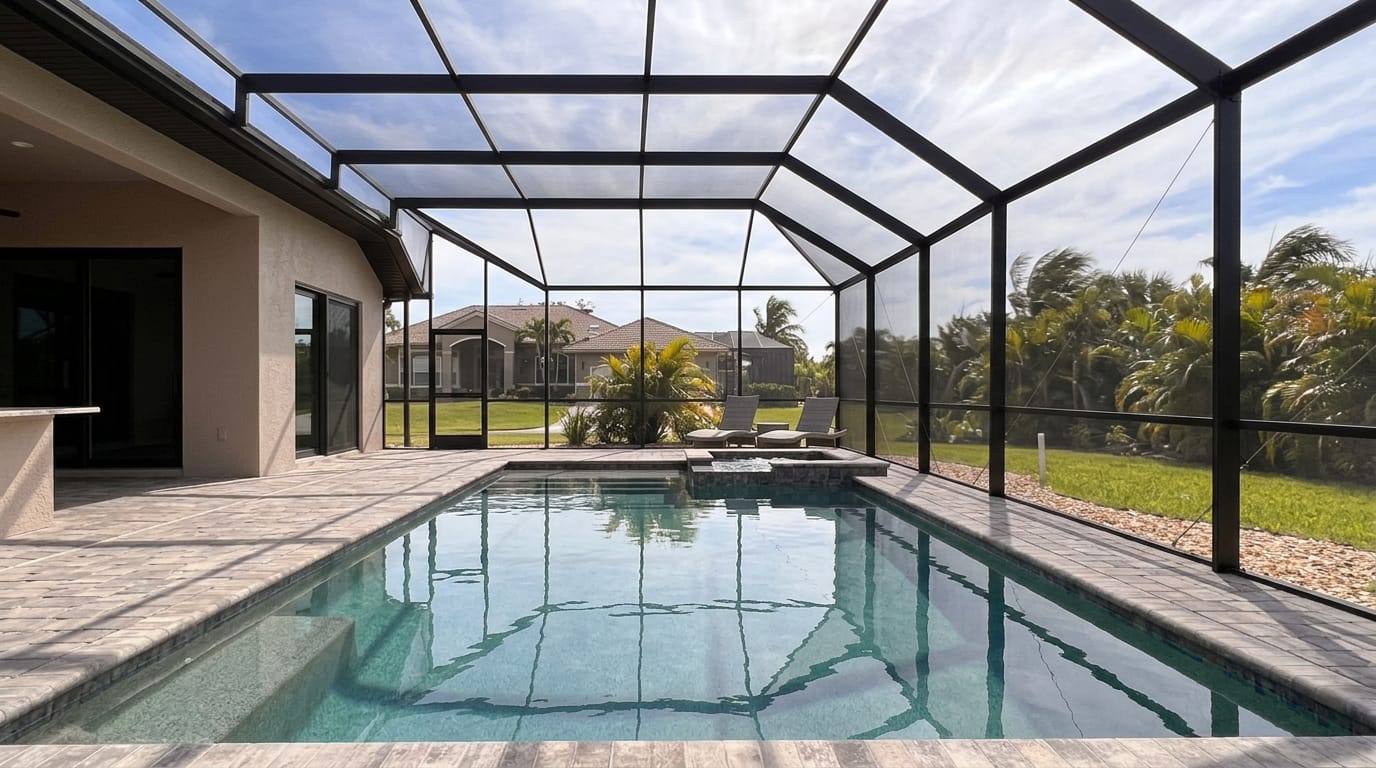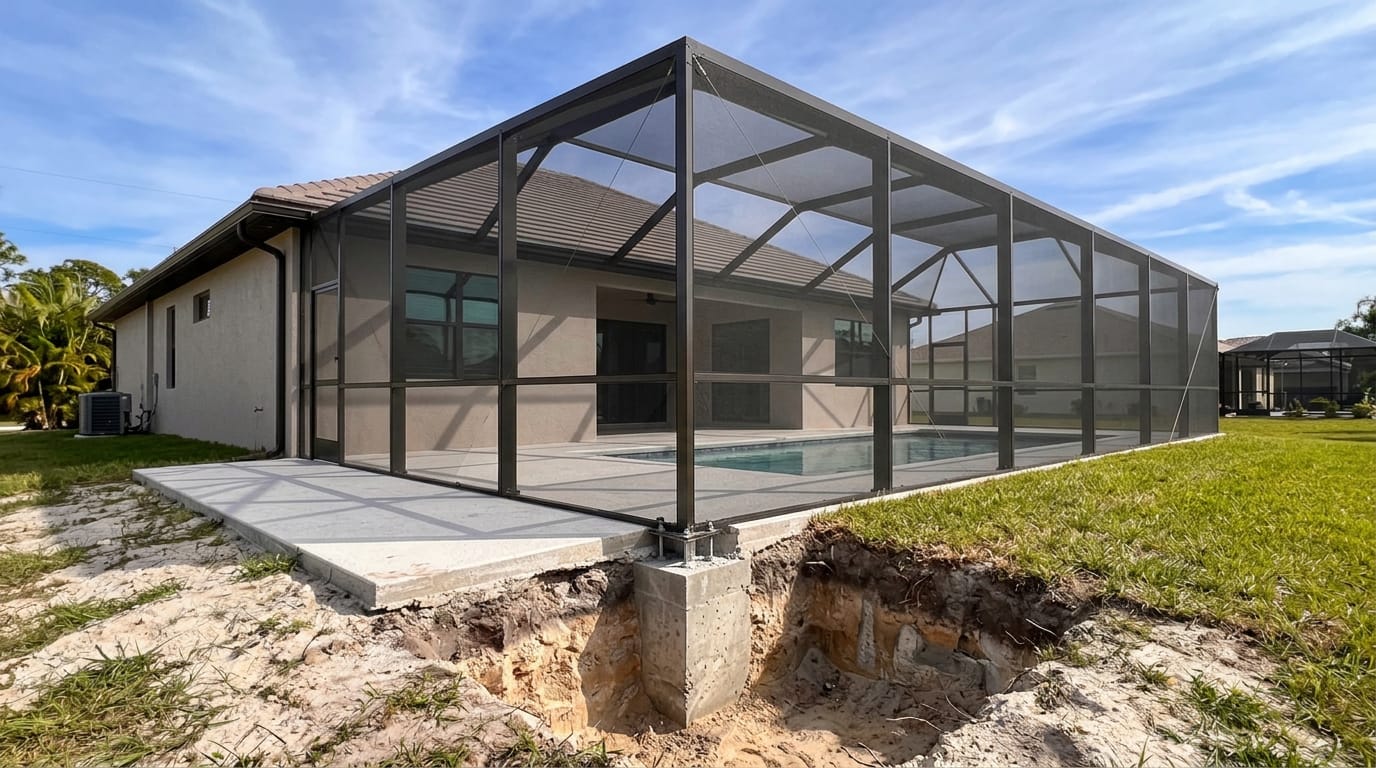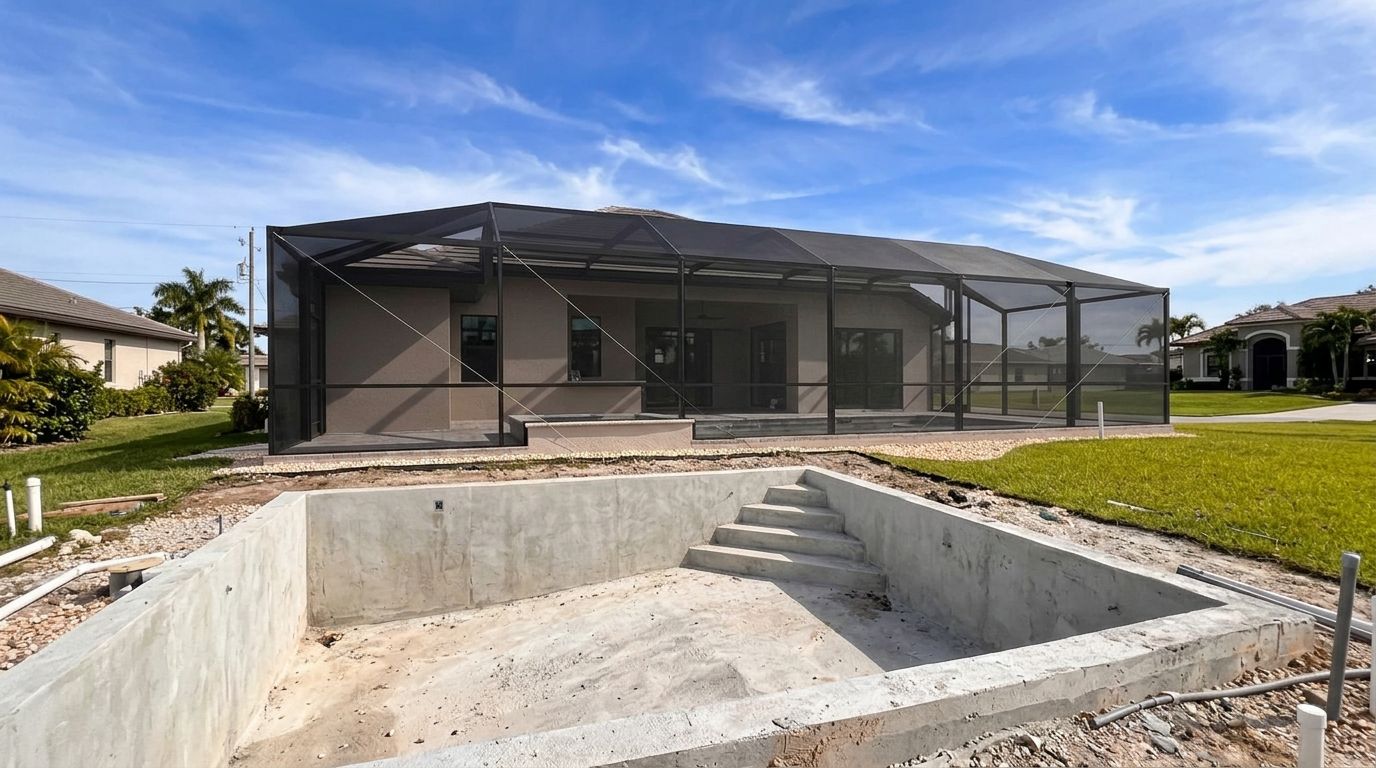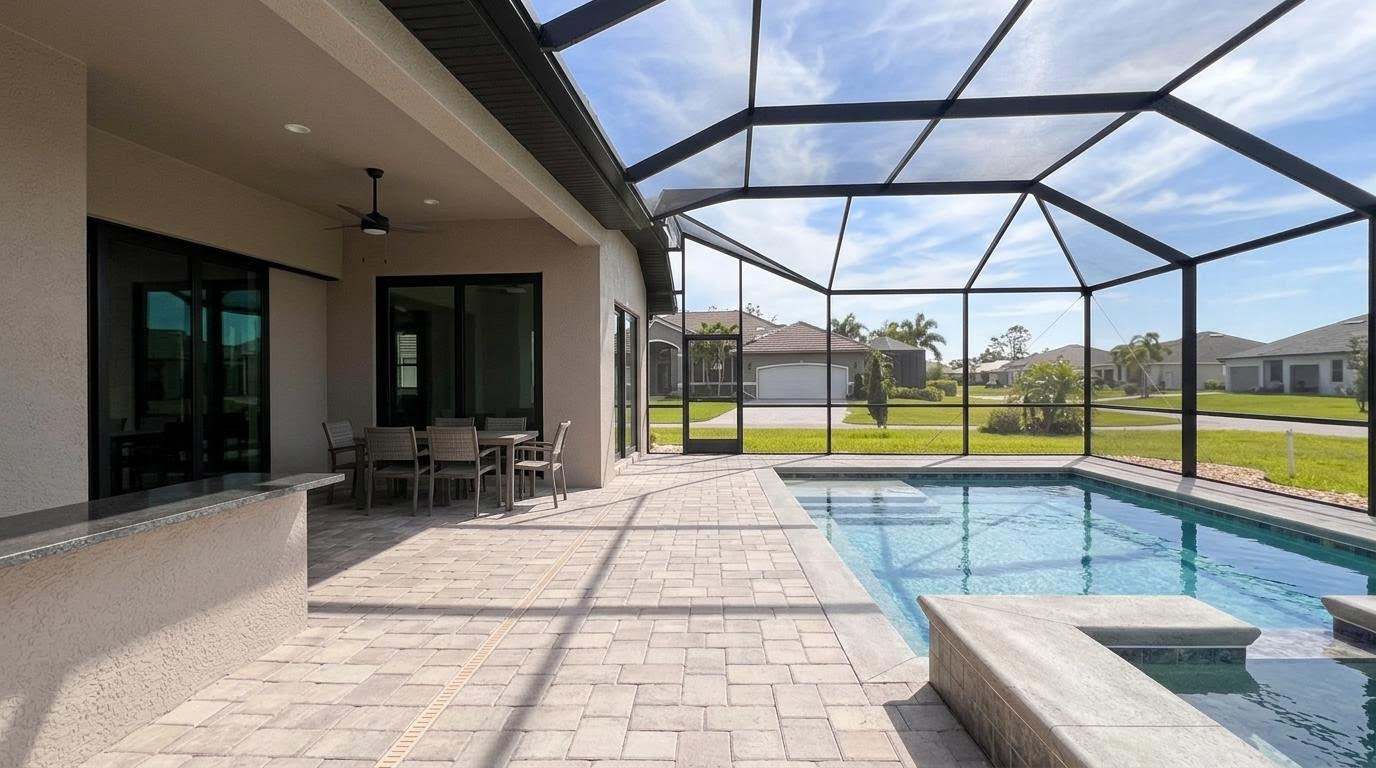
Why Are Small Insects Getting Through Your Screen?
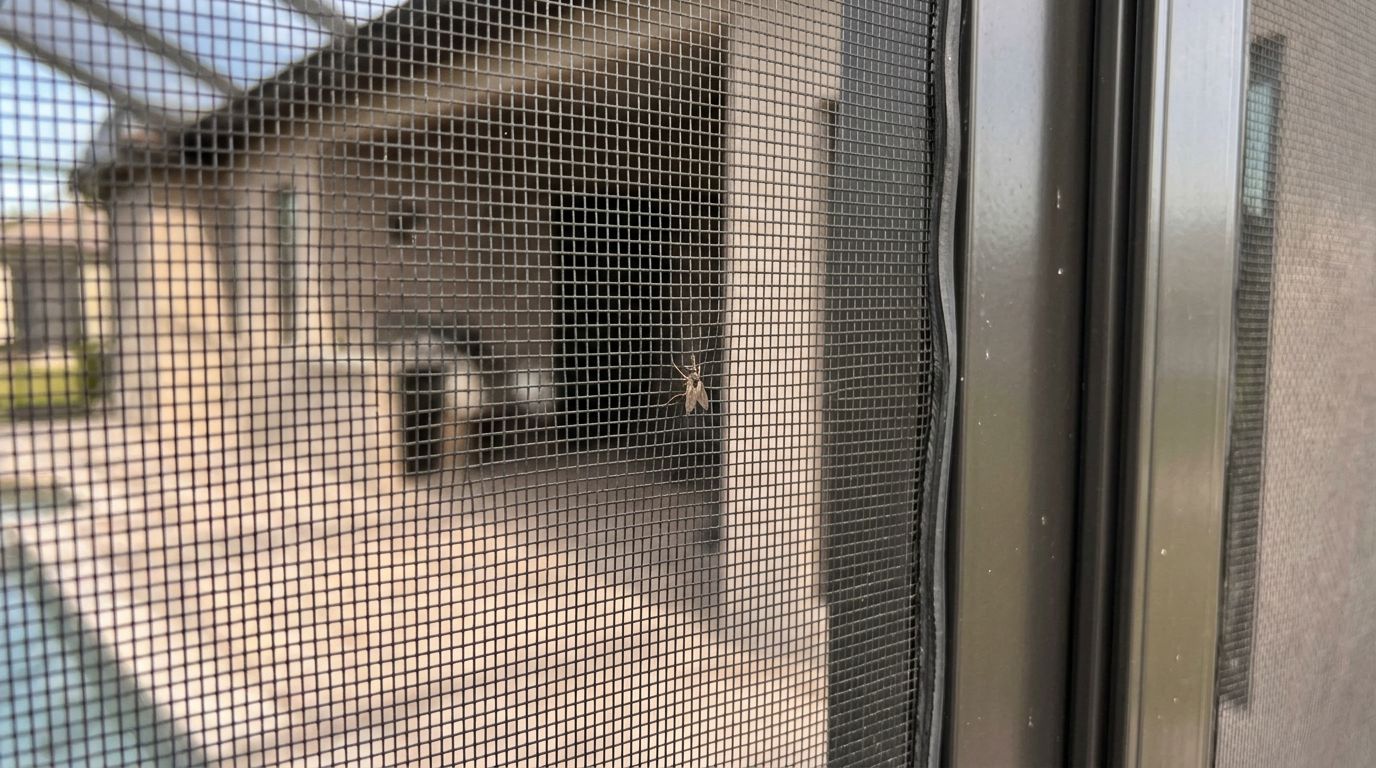
Small insects can get through screen enclosure mesh when they're small enough to pass through its openings. They can also enter through torn panels, loose edges, open doors, or gaps around the frame.
The right fix depends on where they're getting in . Before replacing every panel, look at both the mesh and the places where the enclosure connects to doors, walls, and the deck.
How Screen Enclosure Mesh Affects Insect Entry
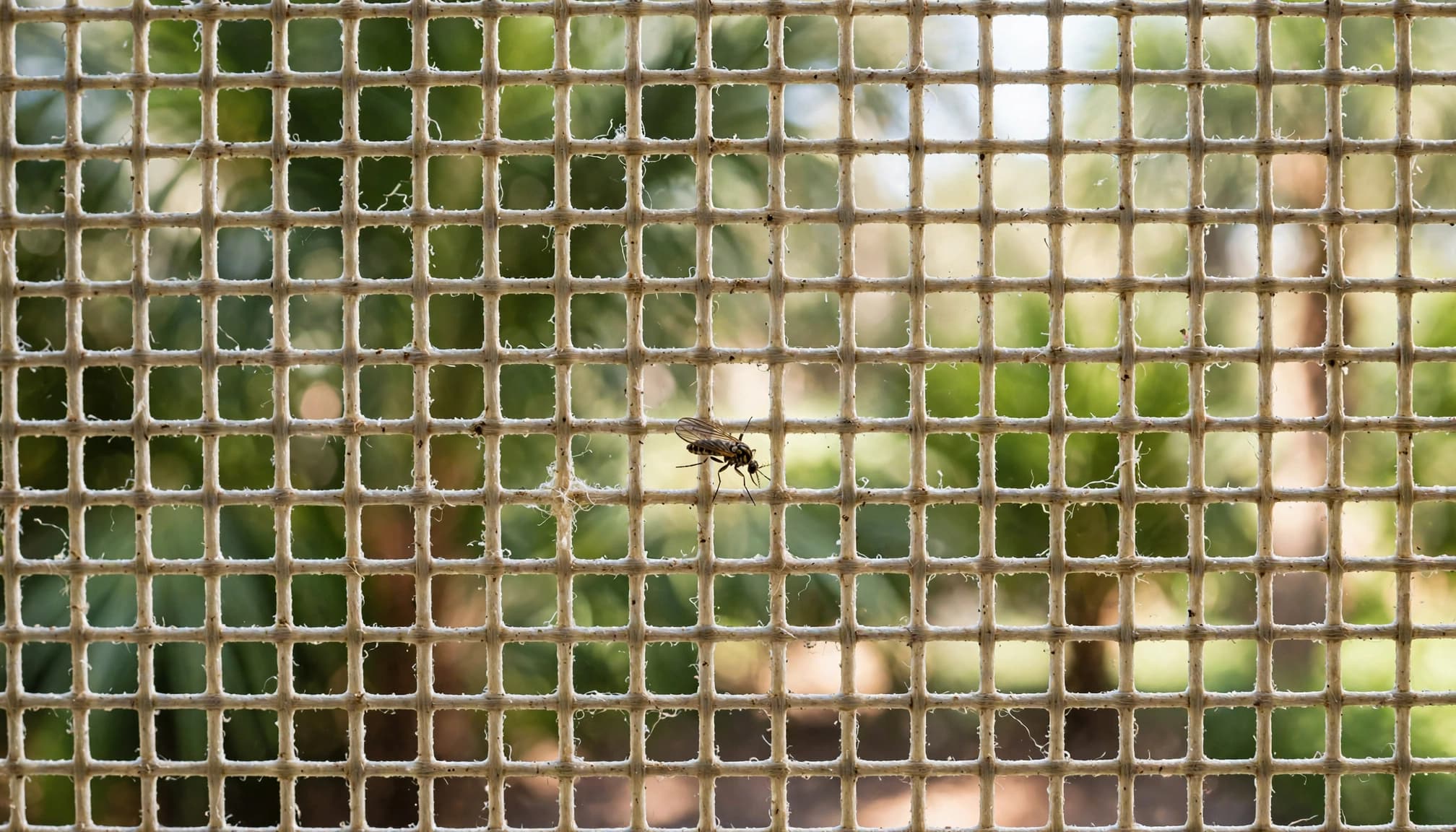
A screen is a woven barrier, so every panel has openings between its strands. Those openings let air through, but they also determine which insects the fabric can stop.
Insect size matters
Standard screening can block many common insects while allowing some smaller ones to pass through. A screen that keeps out mosquitoes, for example, won't necessarily stop every tiny biting midge.
Insects vary in size, even within a broad group. The way an insect approaches an opening also matters. A panel can look intact to you while its weave is still open enough for a particularly small insect.
The opening matters more than the name
Terms such as "insect screen" describe a general use, but they don't tell you exactly which pests the material will exclude. Finer screening is designed to reduce the openings and provide better protection against smaller insects.
Even so, no mesh can promise an insect-free enclosure. An insect may enter while a door is open or find a gap elsewhere. When the screening looks sound but you still notice pests, inspect the whole enclosure before deciding that the weave is the problem.
Which Small Insects Might You Notice?
In Southwest Florida, no-see-ums are a common reason homeowners consider finer screening. These tiny biting midges can be difficult to spot, and their bites may be easier to notice than the insects themselves.
Other small visitors can include non-biting midges, gnats, and other tiny flies. Their presence doesn't automatically mean they've traveled through intact fabric. They may have come through a doorway, a damaged panel, or another opening.
Pay attention to where and when you notice them. Insects gathering near a particular door may point you toward the door edges or normal foot traffic. Activity near a torn panel gives you a different place to start.
Timing can help, too. If you're bothered around dusk, look at the enclosure during that period as well as in daylight. You may notice insects gathering near lights or an opening that's less obvious during the day. These observations can guide an inspection, although they don't identify the insects or prove their entry route on their own.
Look for Tears and Loose Screen Edges
A small hole can offer insects an easier route than the intact mesh around it. Damage isn't always obvious when you're standing in the middle of a pool deck, so walk close to each panel and examine its edges as well as its center.
Find holes and damaged areas
Look for punctures, splits, and stretched areas, especially on lower panels where pets or outdoor furniture may contact the screen. Also inspect around doors and corners, where screening can experience frequent movement.
Daylight can make a hole easier to see. Look through the panel at an angle and watch for breaks in the regular weave. If you find one isolated tear, replacing a torn screen panel may address that opening without replacing every panel.
Notice screening pulling away from the frame
A panel can look intact across its middle while its edge has separated from the frame. The spline, a flexible strip that holds the screen in a frame channel, can also come loose.
Follow each edge with your eyes and look for places where the fabric no longer sits securely. Our guide to pool cage screen edge separation covers the difference between a loose edge and a tear. That distinction helps describe the repair needed and whether other parts of the enclosure deserve attention.
Inspect Doors, Seams, and Frame Connections
Even fine screening can't block an opening around the fabric. Doorways and frame joints deserve the same attention as the panels, particularly when bugs seem to appear close to an entrance.
Check the door while it's closed
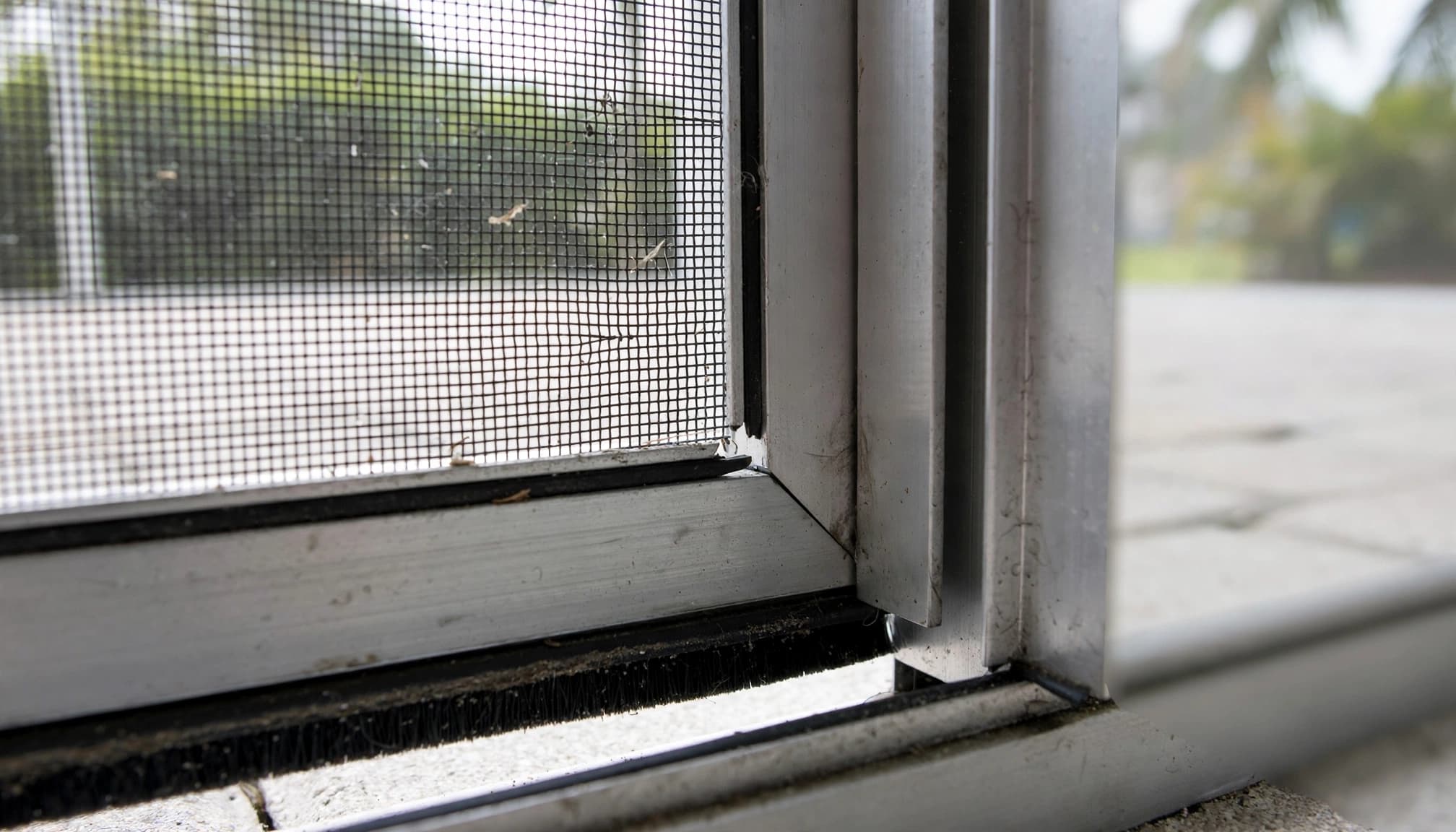
Look along the top, sides, and bottom of the door. A worn or missing door sweep can leave space beneath it, while damaged weatherstripping or a misaligned door can create openings at the edges.
Open and close the door normally. It should meet the frame and latch without leaving an obvious gap. If it doesn't, the solution may involve adjusting the door or replacing worn sealing material rather than changing the surrounding screens.
Insects can also fly in during ordinary use. Keeping the door closed when the space isn't in use reduces that opportunity, especially when insects are active outside.
Follow seams and frame joints
Inspect the perimeter where the enclosure meets the house and deck, along with joints between frame members. Look for visible separations, deteriorated sealant, and places where screening has pulled out of its channel.
Don't cover a gap until you understand what created it. A small opening at a joint may need a different repair than a loose panel edge. If you see corrosion, shifting, or a frame that no longer lines up, have a professional assess the enclosure rather than treating it as a screen-only issue.
Choose Finer Mesh for No-See-Ums
If small insects are passing through sound standard screening, finer mesh is worth considering. It's made with smaller openings intended to keep out more tiny insects while retaining the open feel of a screened space.
Look at the material's intended use
Phifer's No-See-Um Screening is one option designed to keep out most smaller flying insects. It offers a different level of protection than standard screening, but it doesn't eliminate every possible entry point.
The material matters throughout the enclosure. If only one panel has finer mesh, insects may still enter through other panels with larger openings. Door screening and the fit around the frame matter as well.
Consider the whole enclosure
A lanai with a few exposed panels may need a different solution than a large pool cage. Note which panels face areas where you spend the most time, where insects gather, and where the screening already needs repair.
Replacing a few panels can make sense when you're addressing localized damage. For consistent protection against very small insects, though, discuss the screening across the entire enclosure. That includes roof panels if they're part of the screened structure.
Weigh Airflow and Visibility Before Rescreening
Finer mesh changes more than insect protection. Because it has smaller openings, it can reduce airflow compared with a more open screen. It may also make the screen more noticeable when you look outside.
Compare the view in your own space
A sample held against a bright sky can look different from the same material viewed against shaded landscaping. Lighting, viewing distance, and the direction you face all affect the appearance.
Compare samples outdoors, from the chair or dining area you use most. Look toward the pool, garden, or other view you want to preserve. Our guide to choosing pool cage screen mesh offers more ways to assess visibility in place.
Balance comfort with other needs
If a breeze is important on your lanai, consider how a finer weave may change the feel of the space. A material that offers better protection against small insects may be worth that trade-off, particularly where biting midges interrupt outdoor time.
Durability is a separate consideration. Pet-resistant screening addresses wear from paws and claws, but a tougher screen isn't automatically the same as a fine insect screen. Discuss both concerns if pets press against lower panels and small insects are a problem.
Decide Between a Panel Repair and a Full Rescreen
The scope of the work should match the source of the problem. A single puncture, a loose door sweep, and an enclosure with aging panels call for different responses.
When a targeted repair fits
If one panel is torn and the surrounding screening is in good condition, replacing that panel may be a practical choice. A loose edge may need to be secured, while a door gap may call for work on the door or its seals.
Be aware that a replacement panel can look different from older material beside it. The difference may be more visible if you choose a finer or heavier screen for only one section.
When broader rescreening makes sense
A full rescreen can be worth considering when several panels are damaged or when you want a consistent mesh throughout the enclosure. It also gives you a chance to address your priorities for small-insect protection and appearance together.
The project scope can include more than the main panels. Door screening and any agreed-upon hardware or related repairs can be part of the discussion. Our screen enclosure rescreening service covers complete screen replacement for pool cages, lanais, and patios.
Reduce Insect Activity Around the Enclosure
Screen repairs work best alongside attention to the surrounding space. You may not control every source of insects near your property, but you can reduce some of the conditions that bring them close to the places you use.
Pay attention to lights and doors
Flying insects may gather around outdoor lights. When practical, turn off lights you don't need near an entrance, especially if people are going in and out after dark.
Keep doors closed between trips and avoid leaving them propped open during outdoor gatherings. That won't stop insects already inside, but it reduces opportunities for more to enter.
Remove standing water where practical
Empty containers that collect water, such as buckets or unused planters. Standing water can support mosquitoes, though removing it won't eliminate every kind of small insect around a property.
Regularly clear leaves and debris from areas near doors and along the enclosure perimeter. A clear edge makes it easier to spot damage and gaps before they become harder to repair. For roof panels or other areas you can't reach safely from the ground, leave the inspection and repair to a professional.
Find the Entry Point Before Choosing a Fix
Small insects may pass through the weave, but gaps and damage can give them another route inside. A closer look at panels, doors, and frame connections helps you choose a repair that addresses the opening you have.
If finer screening is the right fit, compare its insect protection with the view and airflow you want. At Back Bay Screens, we offer free estimates for enclosure and rescreening projects in Southwest Florida.
Contact us to discuss your enclosure and the screening options that suit your space.